Through the implementation of numerous activities within the project “Strengthening Dual Vocational Secondary Education with a Focus on Digitalization,” the Sarajevo Canton Chamber of Commerce, in cooperation with the German organization GIZ, has made significant progress in improving the dual education system—especially through a training program for mentors in business entities. The Dual Education Act, according to recent announcements, should soon enter parliamentary procedure, for which a public discussion will be organized, while implementation could start as early as the next school year. Some business entities will meet this moment fully prepared, as they have been seriously preparing for its application.
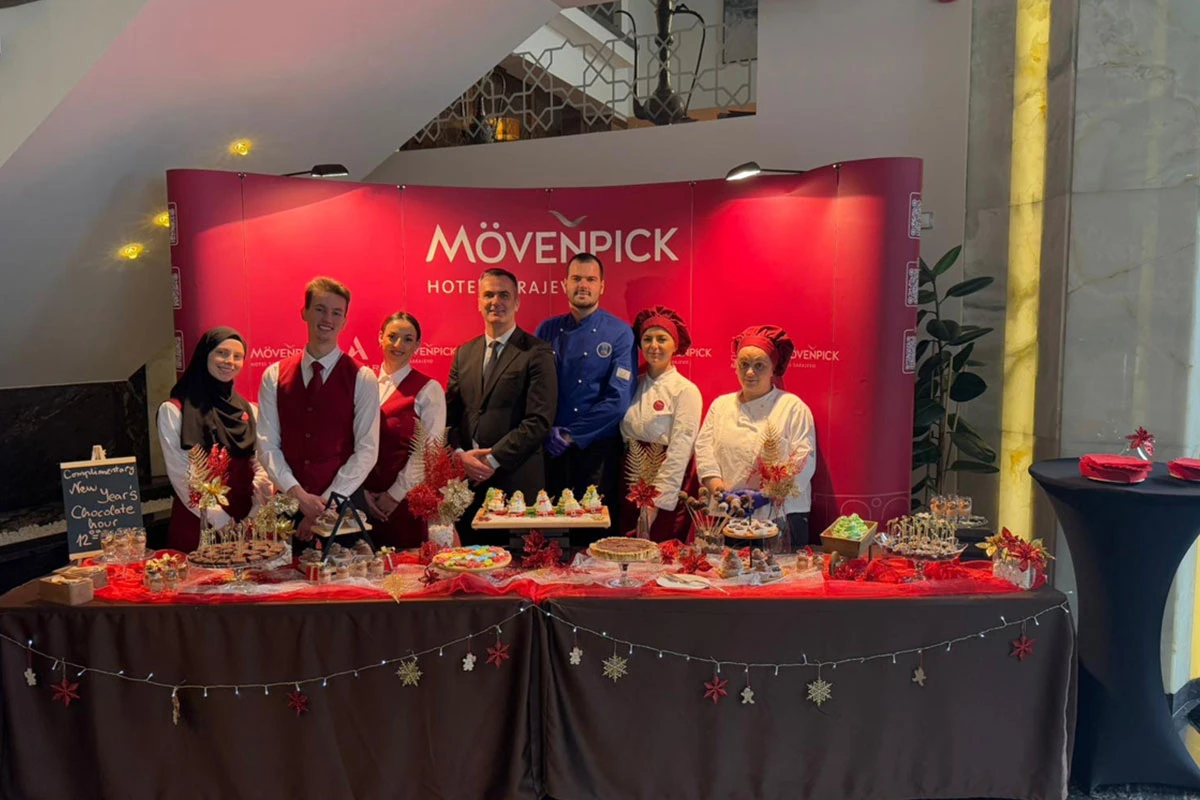
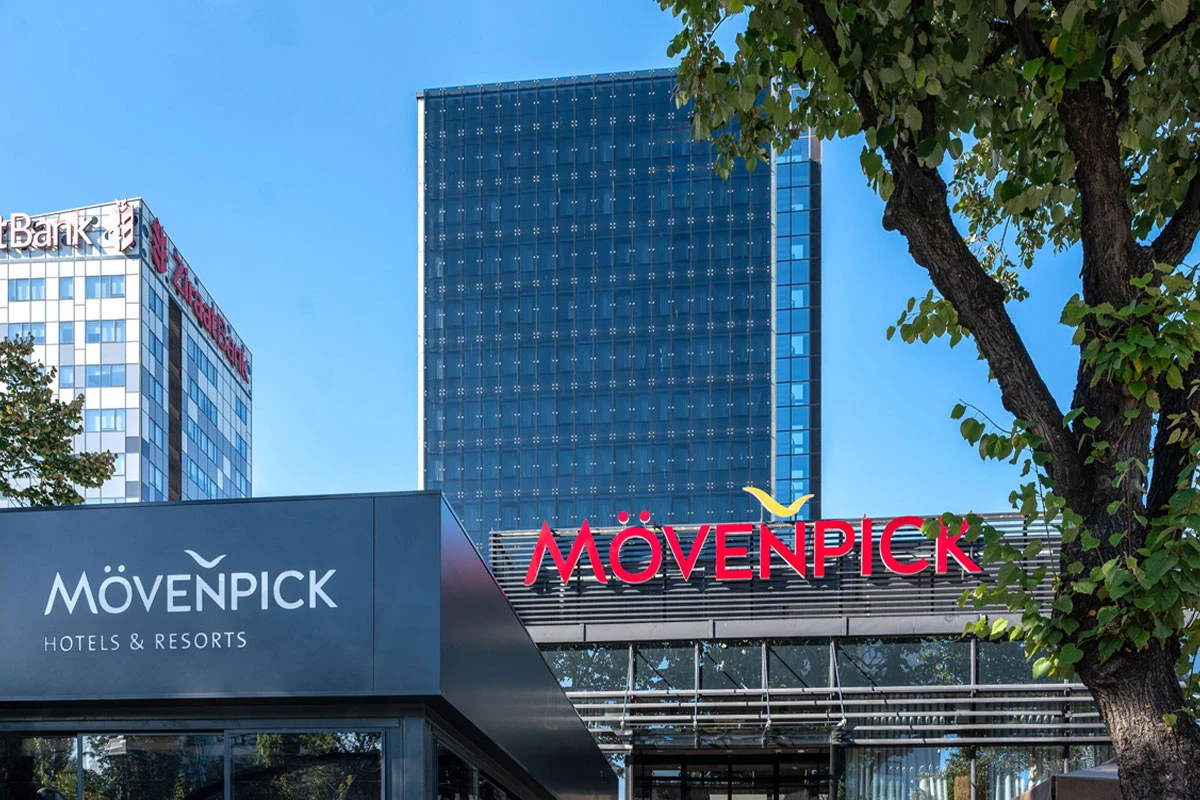
Among the companies that have recognized the importance of social responsibility and investing in the education of younger generations is the Mövenpick Hotel Sarajevo, which wholeheartedly supported the mentioned Chamber project, providing their resources to youth and enabling them to significantly enhance their skills and knowledge in the field of hospitality.
“Our decision to support this project stems from the desire to contribute to strengthening the competencies and knowledge of our youth, the future bearers of development in our city and country. We believe that the main values of dual education, in addition to social responsibility, are the development of practical skills and the capability of young people to act independently in the labor market. Through this method of learning, students acquire not only theoretical knowledge but also concrete work skills that allow them faster and easier integration into the business world.
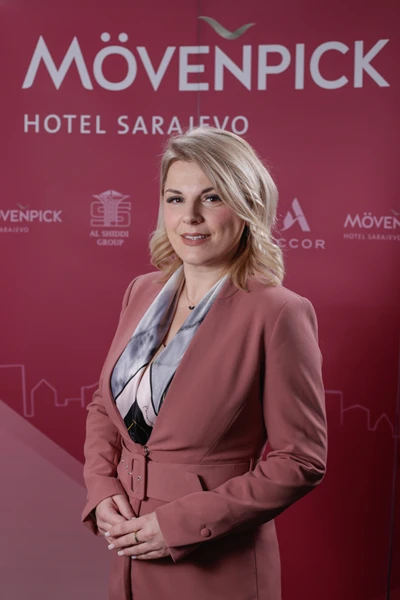
This collaboration brings numerous benefits to business entities as well, because through dual education we obtain young people who have already gone through the necessary training and who are ready to immediately take on work tasks. This significantly shortens the adaptation and orientation period for new employees, which contributes to the efficiency and productivity of companies. Also, through this education system, secondary school students develop communication skills, learn teamwork, and become more independent. All these competencies are crucial for their professional and personal development, and we at Mövenpick Hotel Sarajevo are proud to be part of this process,” says Alma Adilović, Operations Manager at Mövenpick Hotel Sarajevo.
Hospitality Comes from the Heart
At Mövenpick Hotel Sarajevo, students undergo systematic and thorough training in accordance with an internal plan designed to provide them with quality practical knowledge and professional skills. The training begins with an introductory part, where students are introduced to work tools, workplace rules, potential hazards, equipment, and protocols regarding rights, obligations, and proper workplace behavior. After that, it moves to the practical part of the training, where department managers first acquaint students with specific tasks and work processes. The most experienced employees actively monitor and guide students in performing practical work, providing them continuous support and advice.
“We dedicate a special part of the training to verifying acquired knowledge, analyzing achieved results, and discussing with the students themselves. Their opinions, conclusions, and suggestions are of extraordinary importance to us because this way we enrich and improve the training process itself. As a mentor, I regularly visit students and monitor their progress, providing them additional support and guidance. On average, we host about twenty students annually for training. Most of them come from the Hospitality and Tourism School, with which we have had successful cooperation for many years. From this year on, we are proud to have also started a wonderful collaboration with the “Mehmed Handžić” School Centre, and now we have their students in practical training as well. We believe that in this way our hotel provides students with a quality foundation for future professional challenges, helping them to gain practical knowledge, develop work habits, and acquaint themselves with the high standards we maintain in everyday operations,” says Alma Adilović.
Her personal experience as a mentor, she says, is extremely inspiring and enriching.
“Throughout my long career, I have had the opportunity to work with a large number of students, and their energy, curiosity, and enthusiasm constantly inspire me. Their presence brings freshness to every team and contributes to a positive work atmosphere.

One of the most concrete and proudest outcomes of our training is the fact that many of our current employees, including supervisors, were once students doing internships at our hotel. Also, a great number of talented chefs who have distinguished themselves in their profession and who are today esteemed teachers in schools had their first professional steps and first contact with a serious kitchen here with us. In English, they say ‘Hospitality is work of heart’ — hospitality truly is a labor of the heart. Through practice, we do not just transfer technical knowledge and skills to students; we convey to them the very essence of this job, we cultivate love for their future profession, and instill the passion that is key to success in this industry. I believe that this is one of the greatest benefits students receive—along with the opportunity to stay and build their careers in our hotel immediately after graduating from secondary school,” Alma emphasizes.
Benefits for the company are equally significant. Through this collaboration, they cultivate young people’s interest in working in the hospitality and tourism industry and create quality personnel who understand the standards and values upheld.
“Young people are the driving force of this industry, and through internships we teach them not just how to work—but how to love this job. In doing so, we ensure that our team and our company continue to grow and develop with the energy, ideas, and dedication of new generations. As for student satisfaction with practical training and work experience, although their feedback would best reflect their views, I can confidently say they come to practice with great joy. This is especially true for those assigned to the reception, where we have a youthful and dynamic team, making it easy for them to integrate and feel relaxed and natural in the work environment.
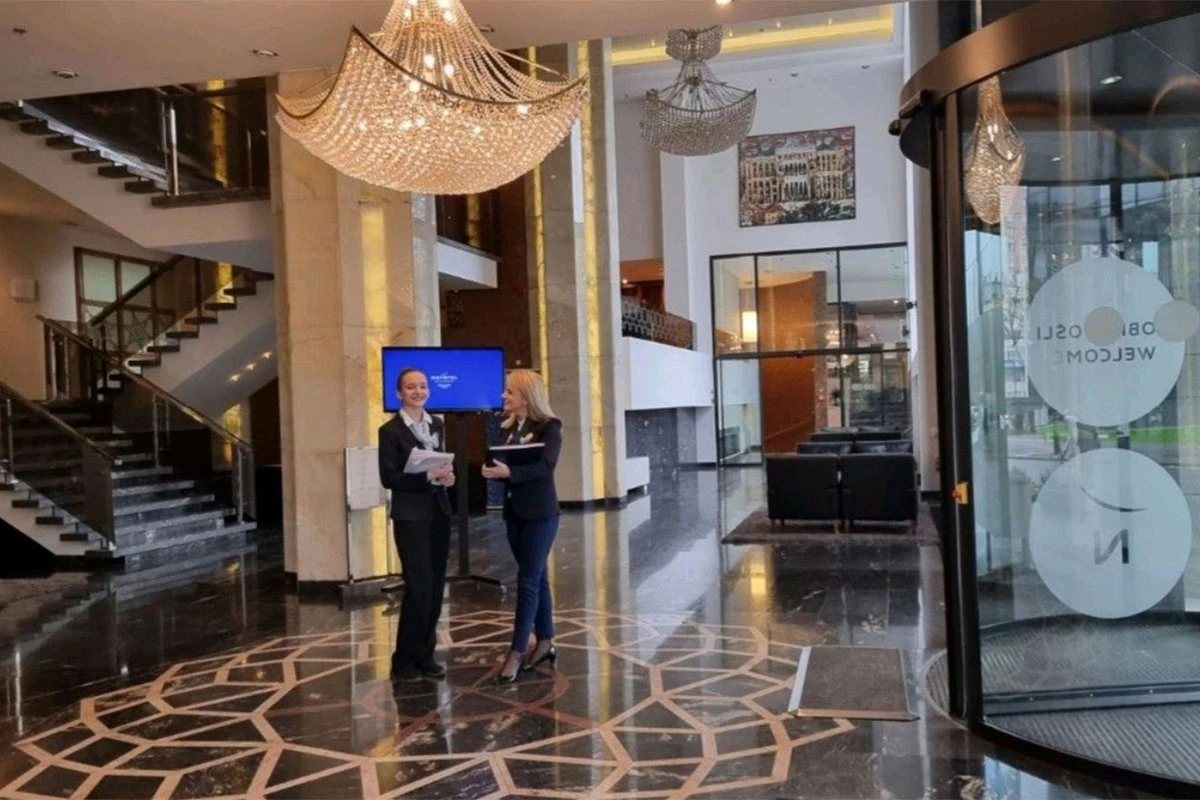
When it comes to employment, the situation in this industry is such that there is more work available than we currently have trained staff for. Every student who shows interest and willingness to work is welcome not only in our hotel but also in many other hotels in Sarajevo. Practical training provides them with an excellent foundation and experience that significantly facilitates their employment after graduation,” our interviewee points out.
Digitalization as a work model
The focus of this project was on the use and development of digital tools that are necessary for most jobs in today’s world. Secondary school students in Sarajevo Canton already have basic knowledge in this regard, but there is always room for improvement in digital skills, both among students and among mentors and employers who themselves continuously upgrade their digital competencies.
“Digitalization as a work model in the century we live in is urgently needed, and as such can only enhance this entire process. Given that this is a large company, of course we use various digital tools. Recently, for example, I held training sessions for students on the hotel software Opera 5 and Opera Cloud, which we are transitioning to this month as the most advanced system in hospitality worldwide. Our students, mastering modern work technologies, have open doors to work in hotels anywhere in the world because the same system is used globally. Digitalization is the key to success and a way of working in today’s era, and certainly the education system, with a special focus on practical training, also needs to be further improved in this regard,” Alma Adilović believes.
There will be many challenges and obstacles in the implementation of the dual education system in Bosnia and Herzegovina. On one hand, generations of students often are not sufficiently interested in this form of education nor adequately prepared through the secondary school system. This means business entities must work with them from the basics, significantly slowing the training process. On the other hand, the open question remains how many companies will be willing to engage in dual education.
Summarizing the experiences gained through the implementation of the project and cooperation with the Sarajevo Canton Chamber of Commerce, Alma Adilović states that it is necessary to strengthen cooperation between schools, business entities, and the Chamber in order to find an adequate model that will satisfy all parties, but above all ensure the best interest of students and their future professional integration.
“A number of surveys conducted show that there is a strong interest in solving this issue in the joint interest of all parties involved. The interest of both students and business entities lies precisely in dual education — we educate so that we have qualified workers, we teach so that we can work. The Chamber of Commerce plays a key role in this process, and I am certain that through its efforts it will manage to find an adequate model that meets the needs of all parties involved,” concludes Adilović.
This activity is being implemented within the framework of the Sustainable Economic Development and Employment Promotion project (SEDEP). The project aims to improve employability in Bosnia and Herzegovina by supporting the digital and green transformation of the economy. The project is co-financed by the German Federal Ministry for Economic Cooperation and Development (BMZ) and the Government of Switzerland, and is implemented by Deutsche Gesellschaft für Internationale Zusammenarbeit (GIZ).
The project component “Strengthening Vocational Education and Training in Bosnia and Herzegovina” (SVET) aims to strengthen the vocational education and training system in order to ensure a qualified workforce necessary for the country’s sustainable economic development. The “Private Sector Development (PSD)” component is primarily focused on transforming businesses towards a more digital and green economy that ensures a competitive and innovative economic ecosystem.
This success story was developed within the Sustainable Economic Development and Employment Promotion Programme (SEDEP) in Bosnia and Herzegovina, jointly financed by the European Union, the Government of Switzerland and the German Federal Ministry for Economic Cooperation and Development (BMZ), and implemented by GIZ.