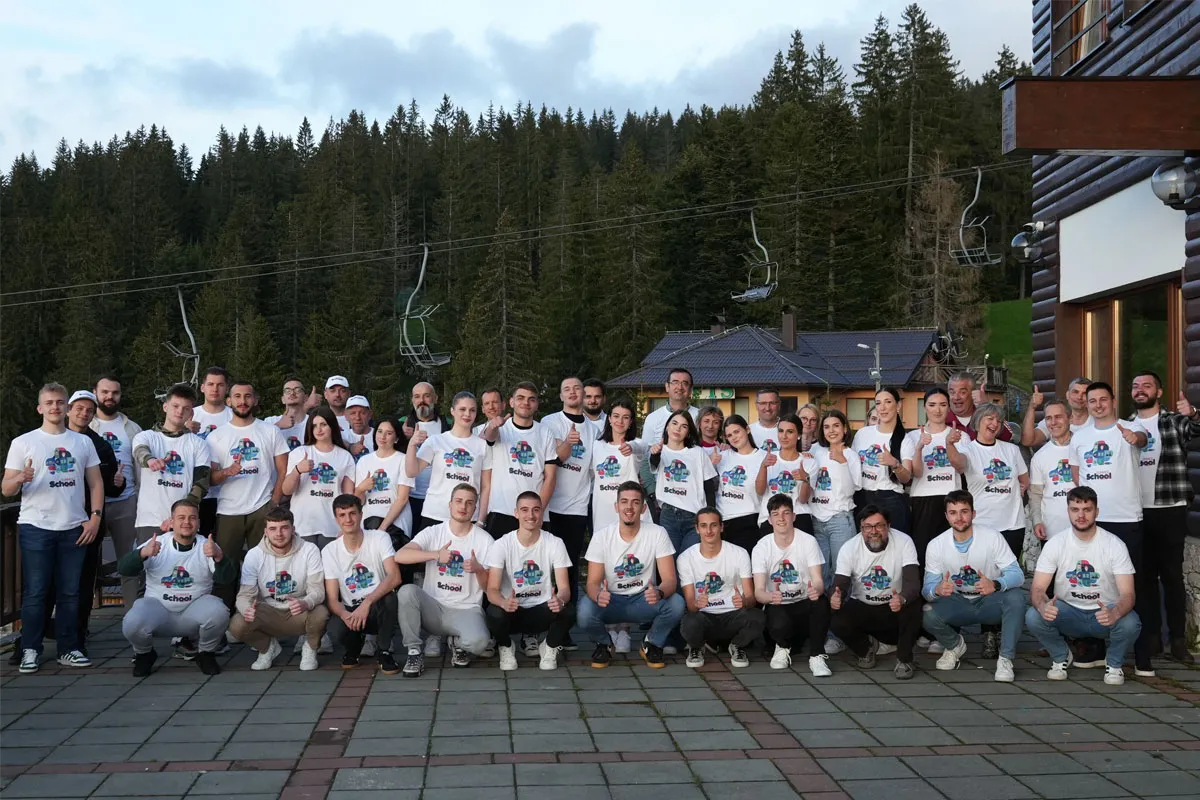
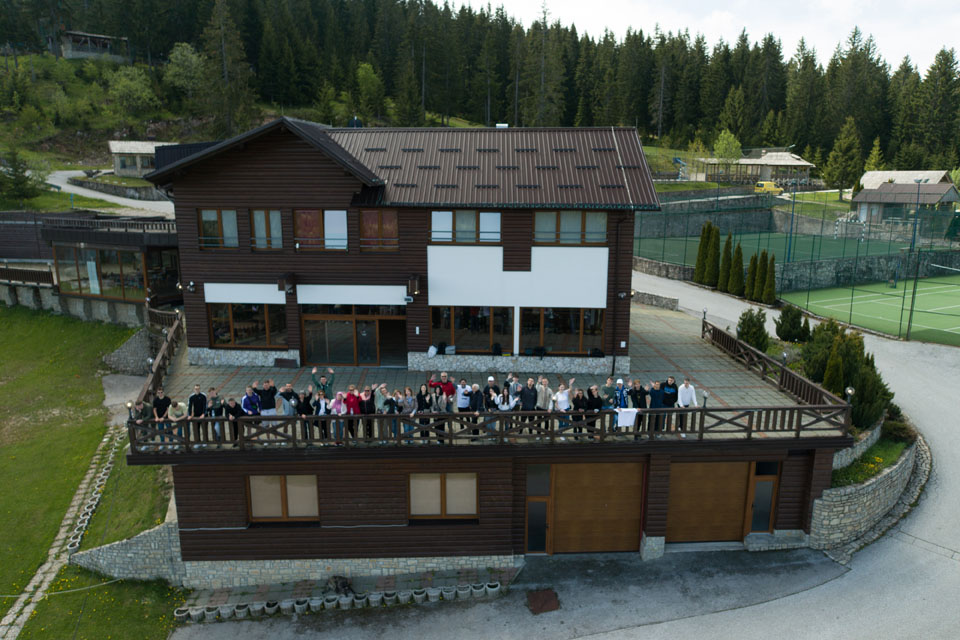
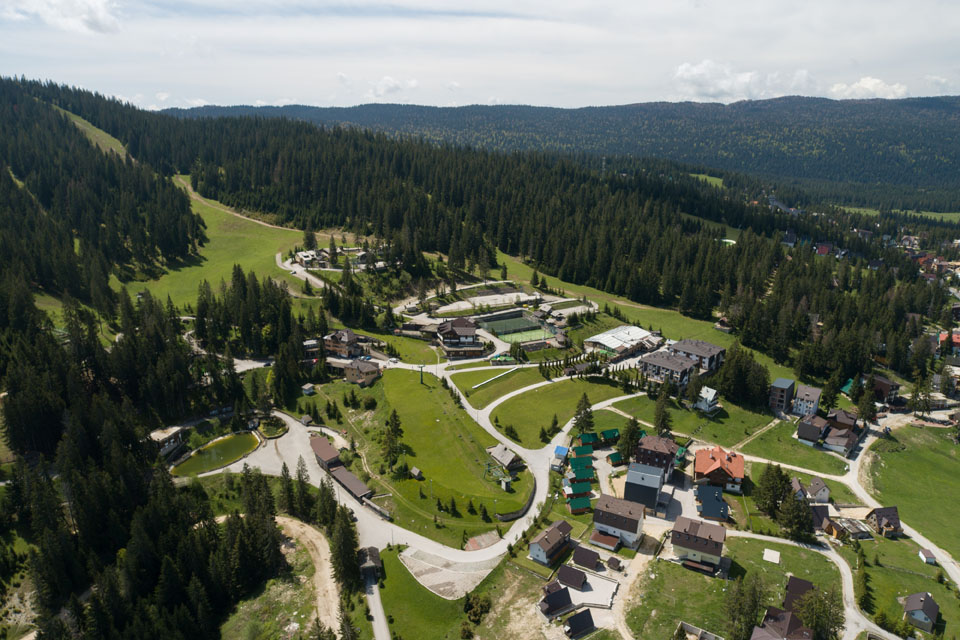
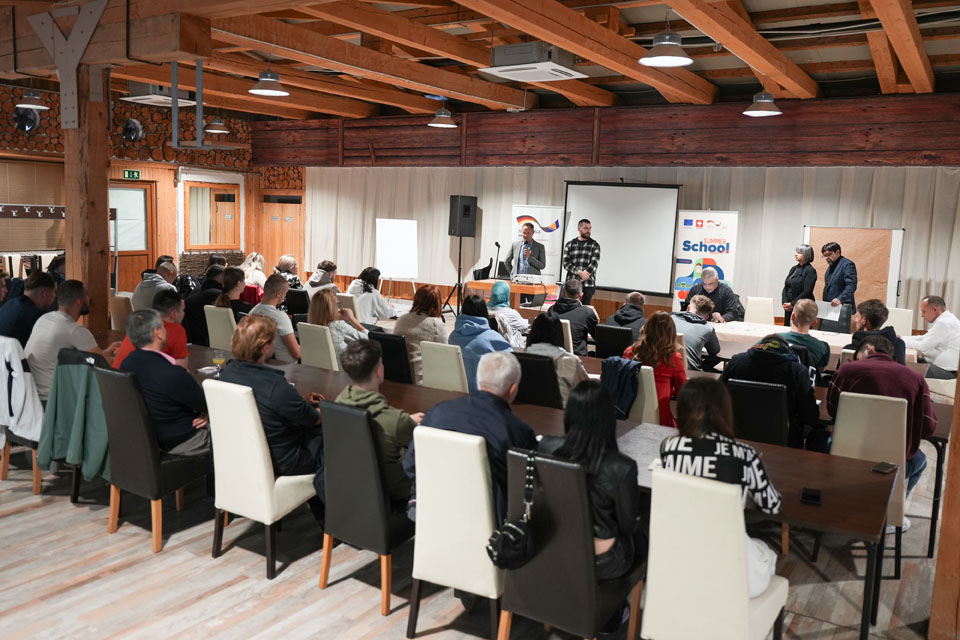
Last week, the Summer School 2025 concluded with an award ceremony on Vlašić, marking the end of a unique educational-business initiative that brought together 25 students from 10 vocational schools across Bosnia and Herzegovina, representatives from the private sector, school coordinators, and vocational education experts.
Organized by GIZ through the Sustainable Economic Development and Employment Promotion (SEDEP) program—co-financed by the governments of Germany, Switzerland, and the European Union—the Summer School aimed to enhance youth employability and align the education system with modern labor market needs.
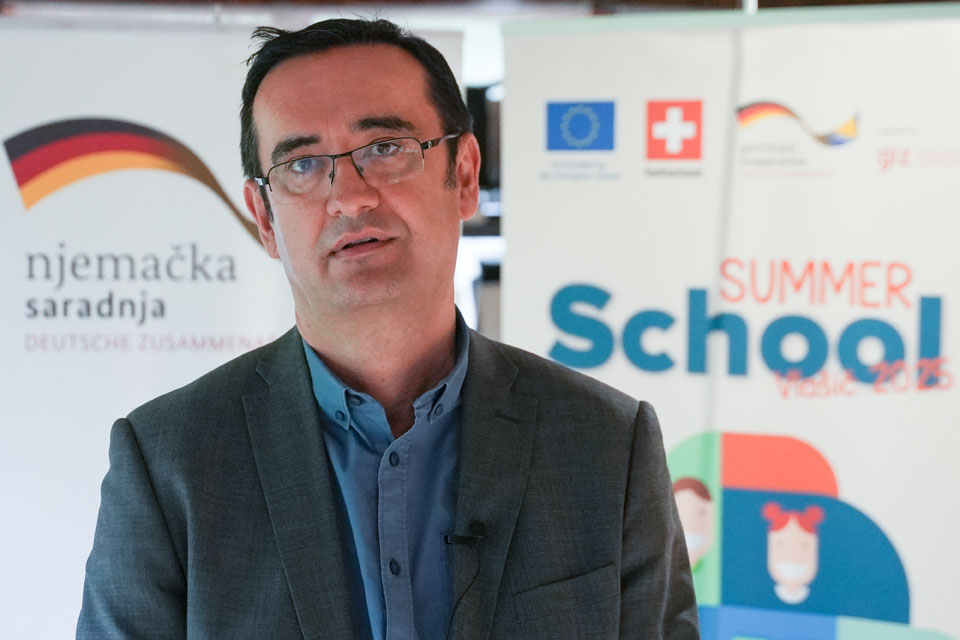
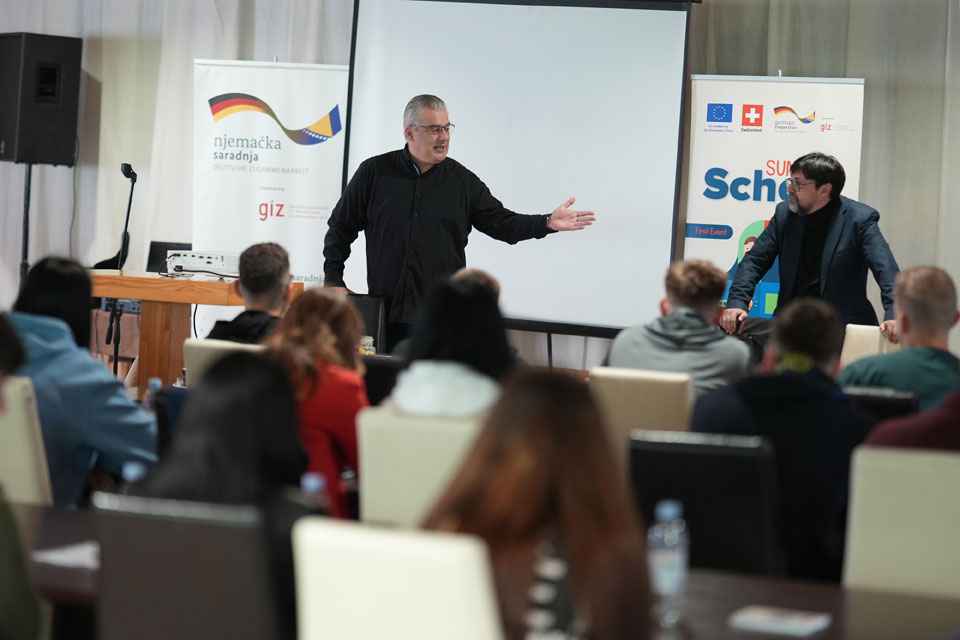
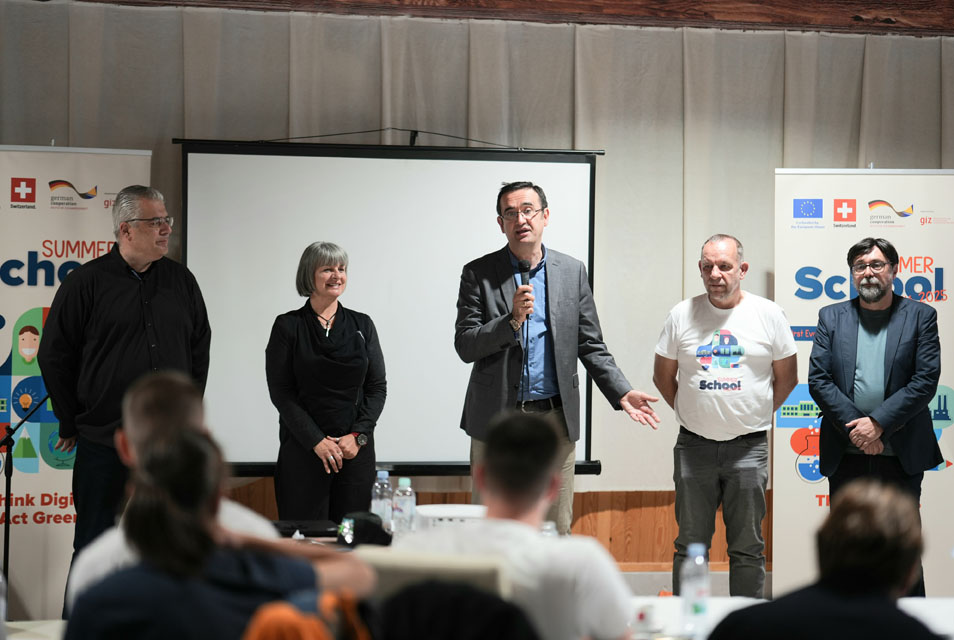
“This is a very important initiative in terms of strengthening the collaboration between vocational schools and the business sector, with the goal of providing training and education that matches real market needs. Our intention is to support the development of the labor market in Bosnia and Herzegovina, focusing on initiatives relevant to the green transition and digital transformation,” said Donald Prohaska, Manager of the Private Sector Development Component within the SEDEP project. He added that the entire project, implemented by GIZ, is worth 16 million euros and will run until the end of 2027.
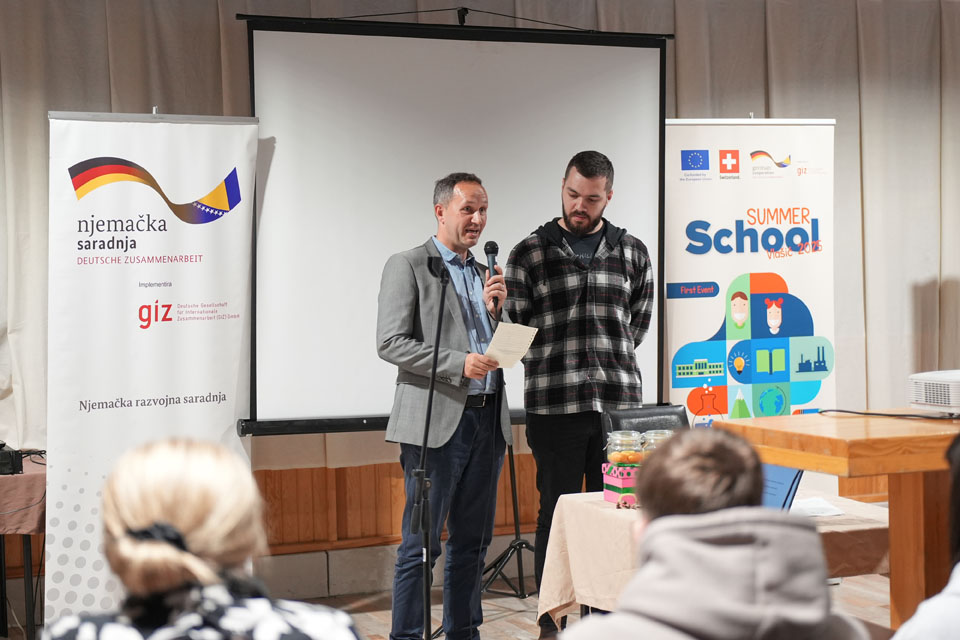
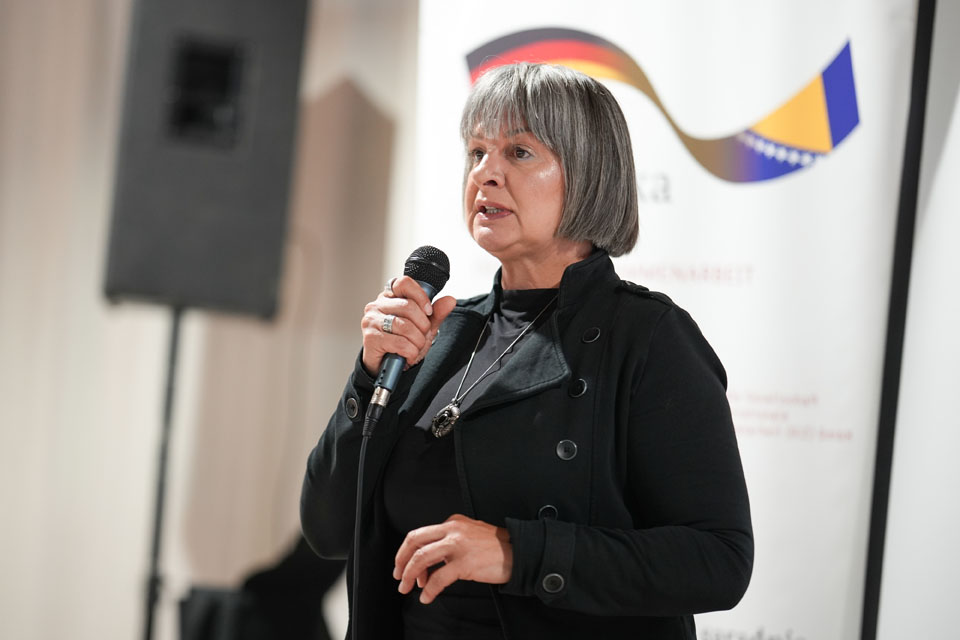
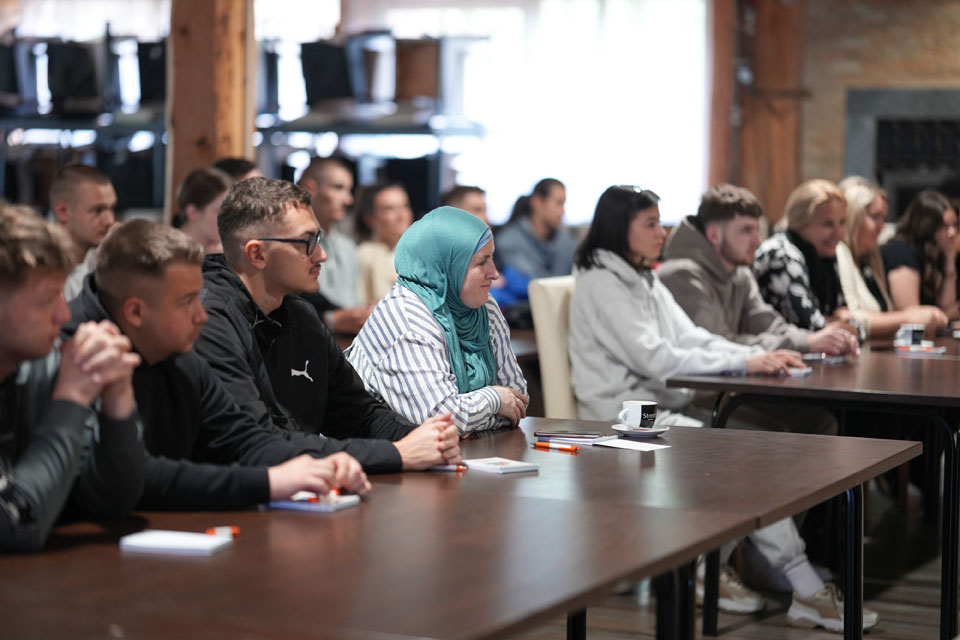
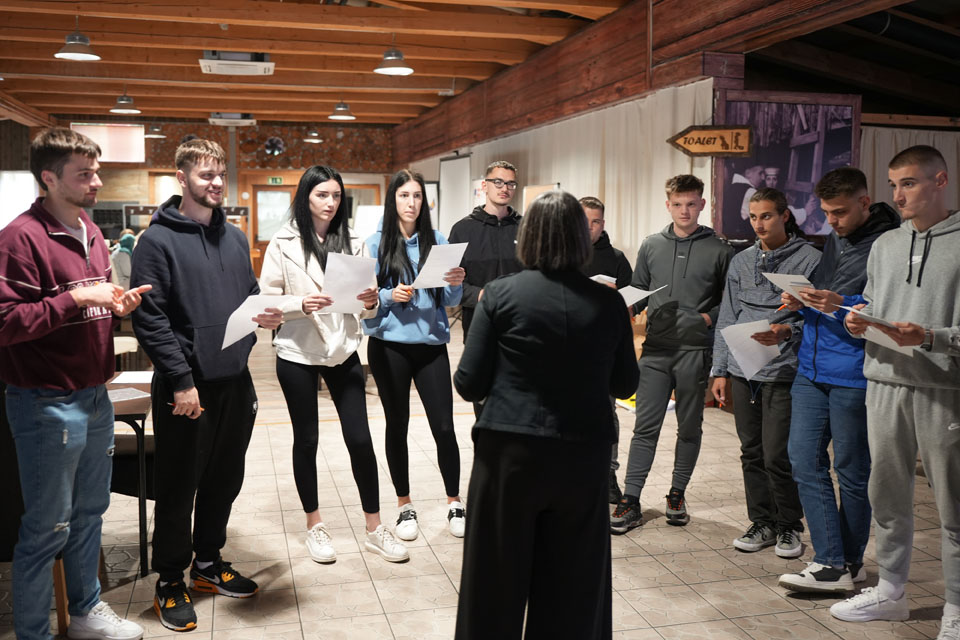
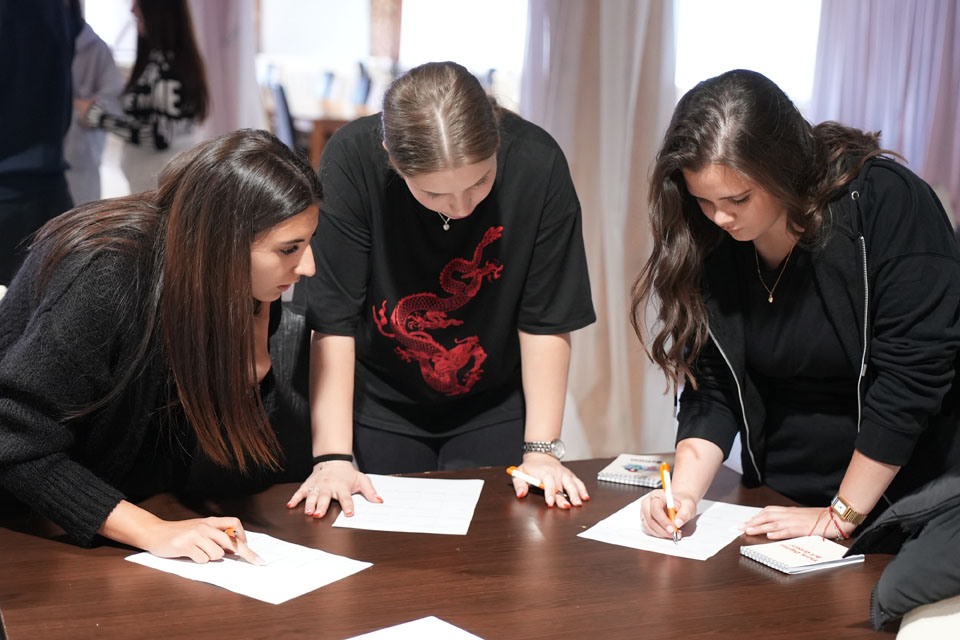
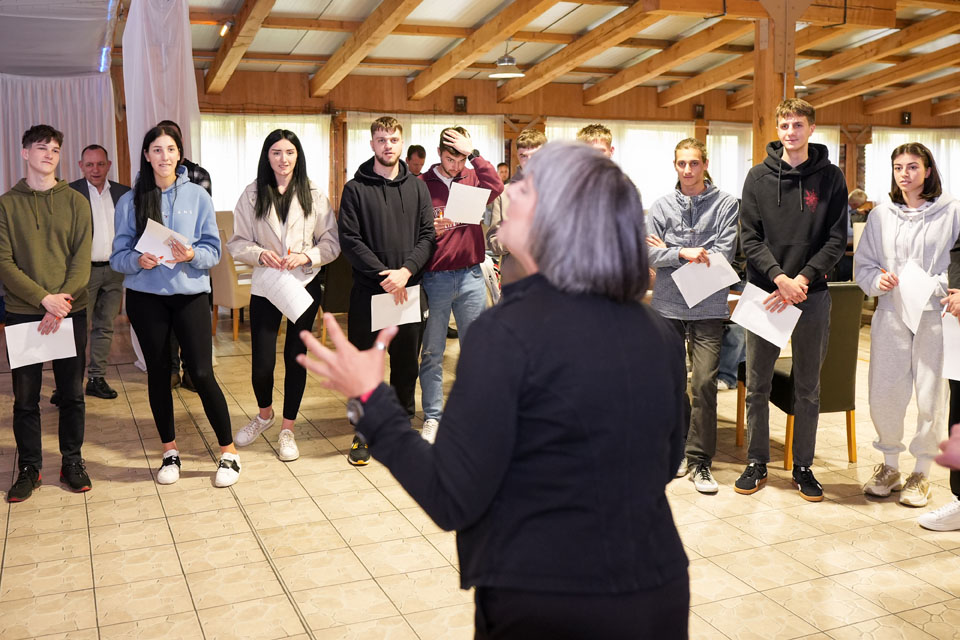
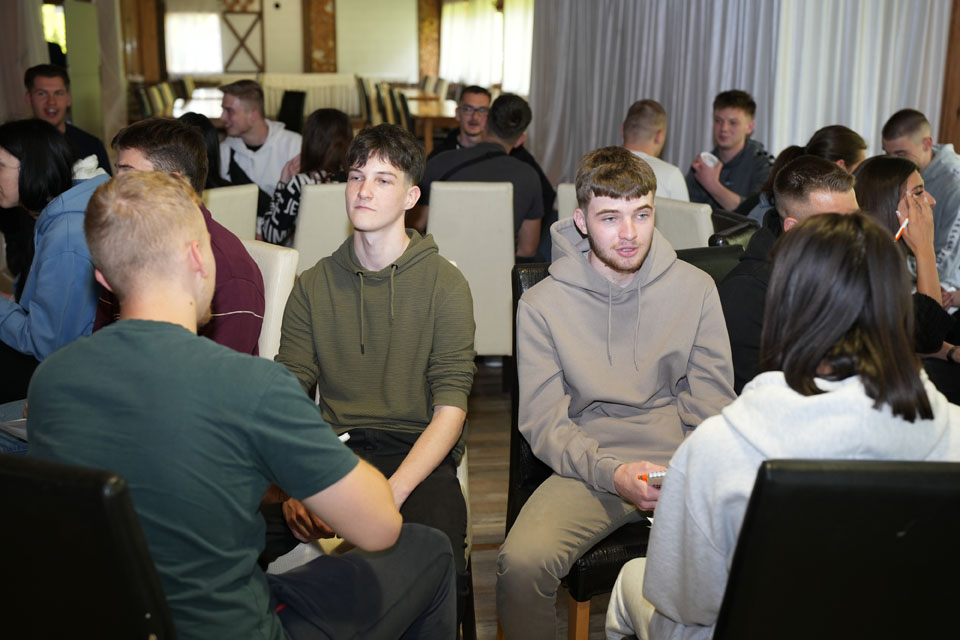
“Students had the opportunity to interact with business representatives, learn about real-world problems and challenges faced by the industry, and—through the guidance of mentors—develop and present proposals for suitable interventions in companies. In doing so, they enhanced their skills and knowledge, gaining competencies not typically acquired in regular schooling, which will help them in their future careers,” Prohaska concluded.
Bridging Knowledge and Practice – Green and Digital Transition in Focus
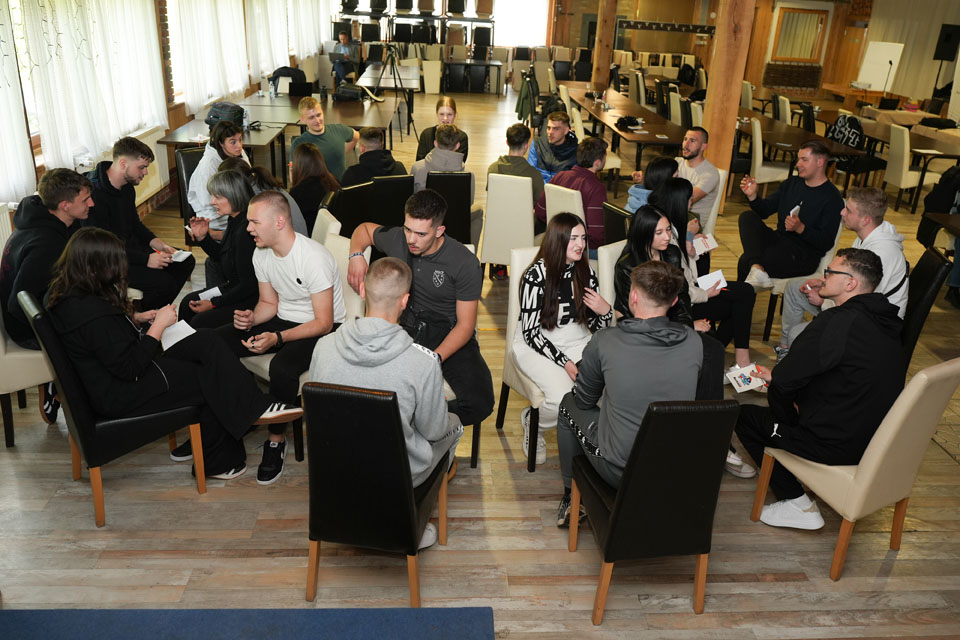
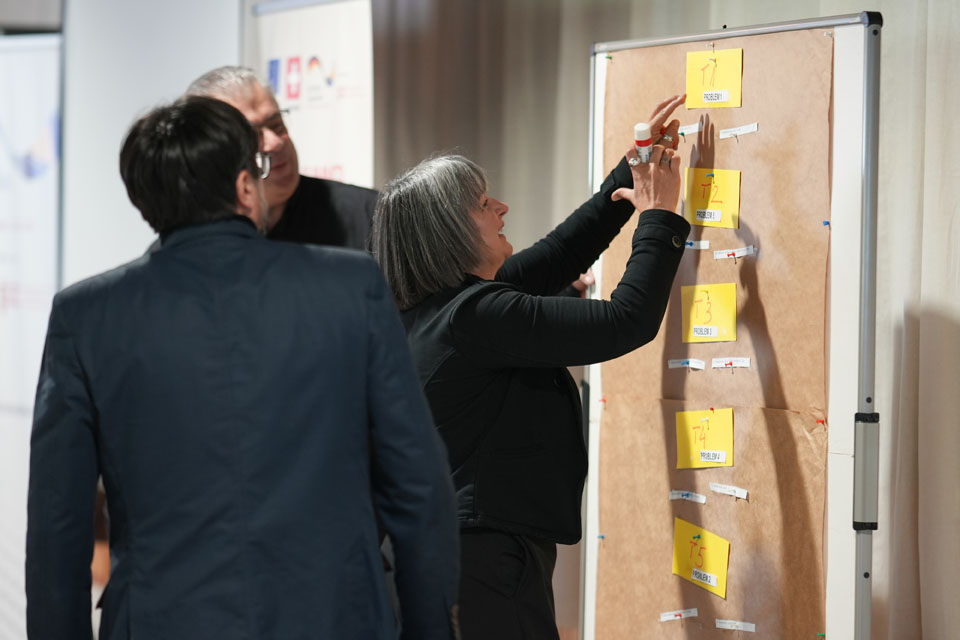
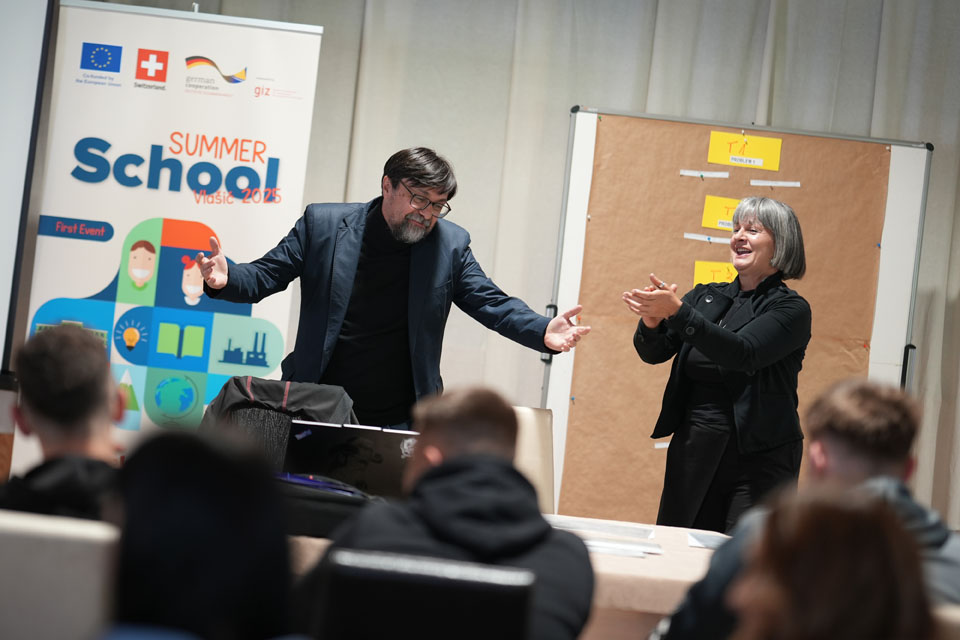
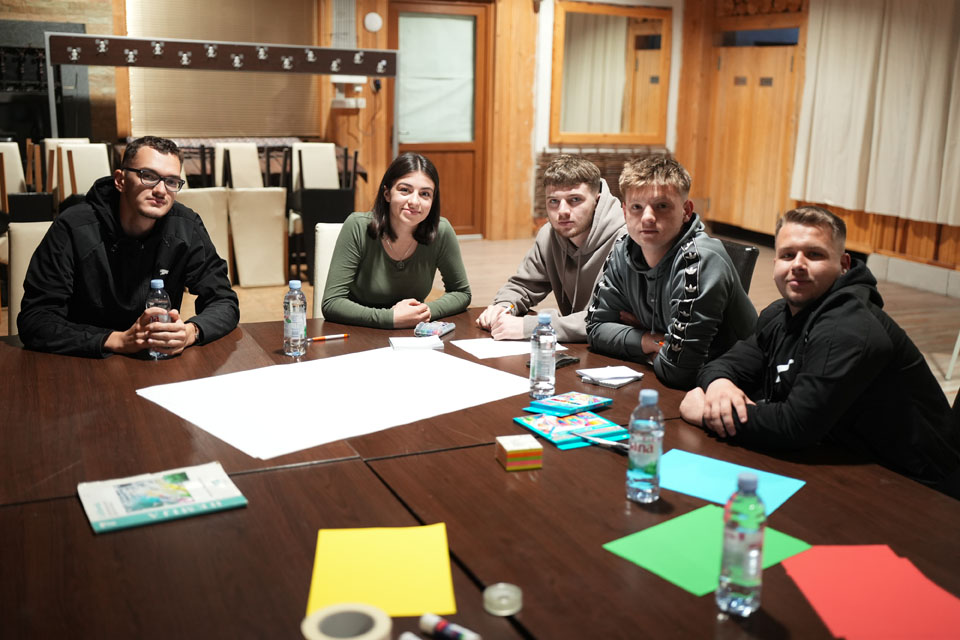
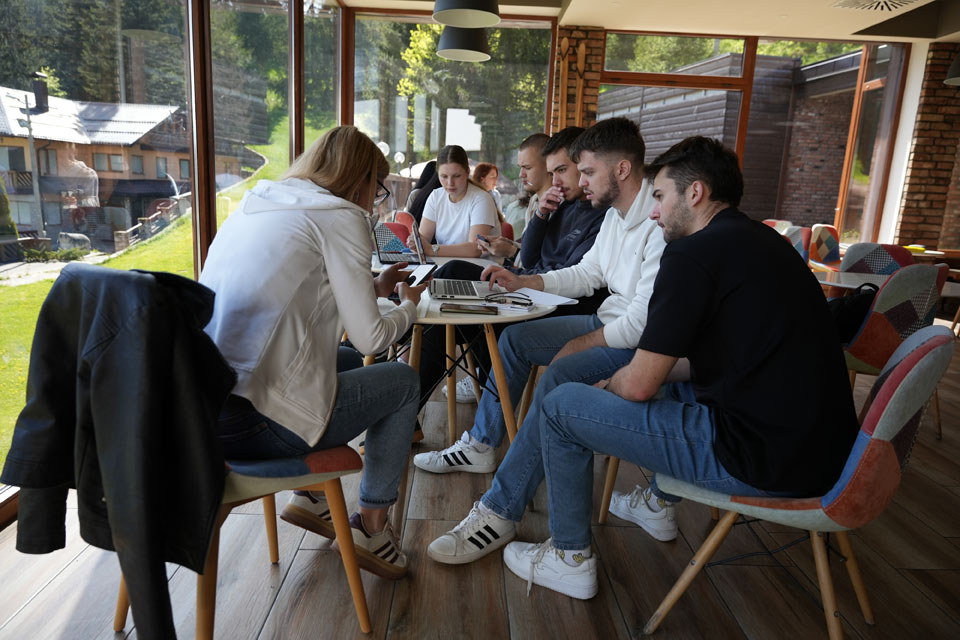
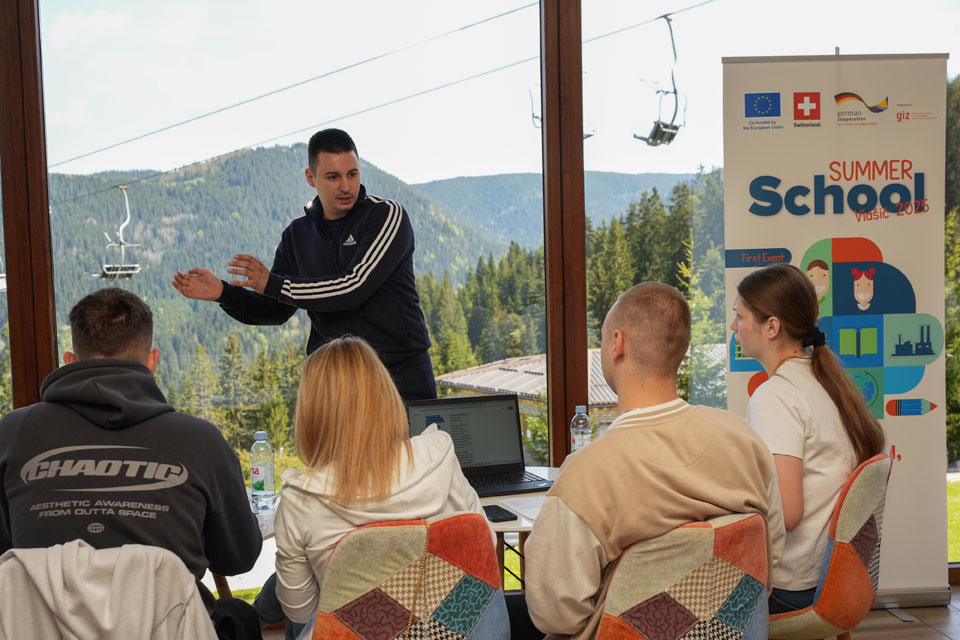
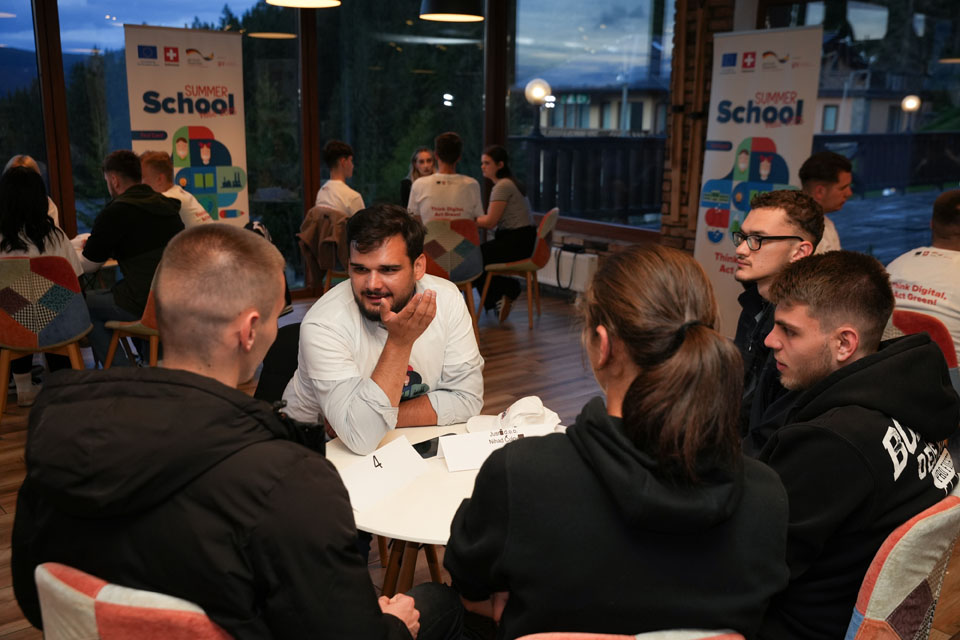
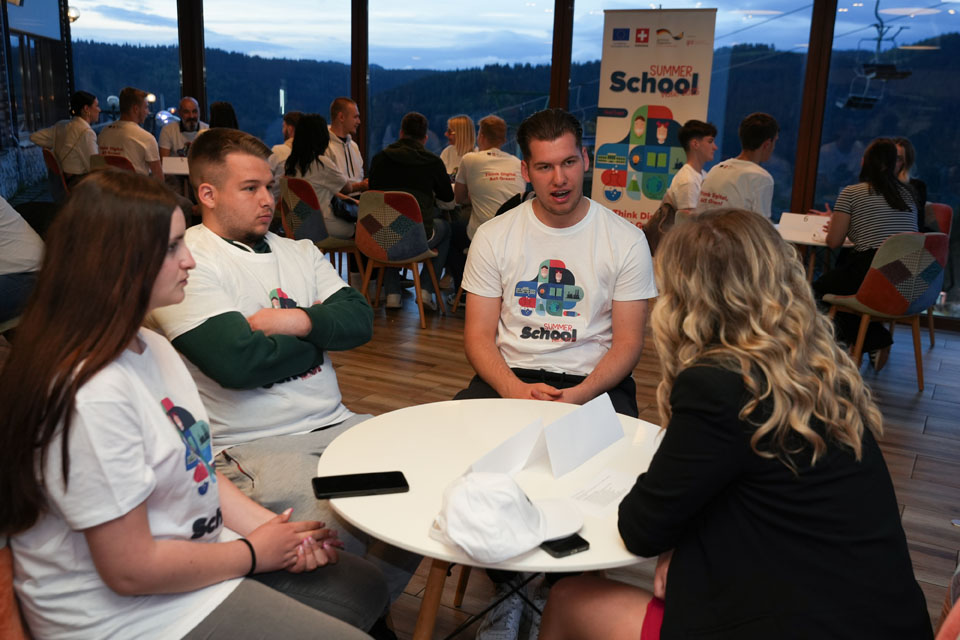
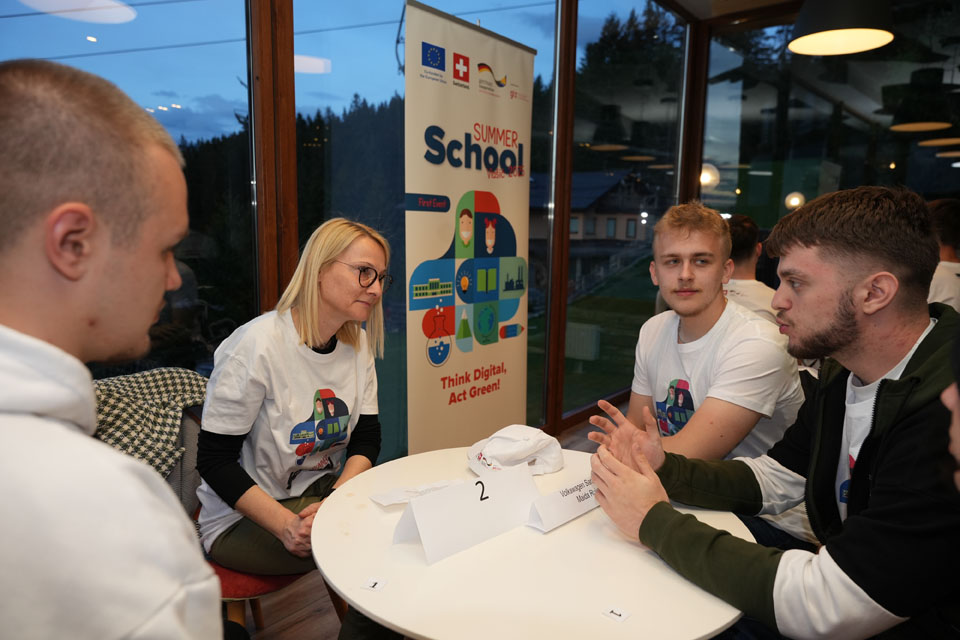
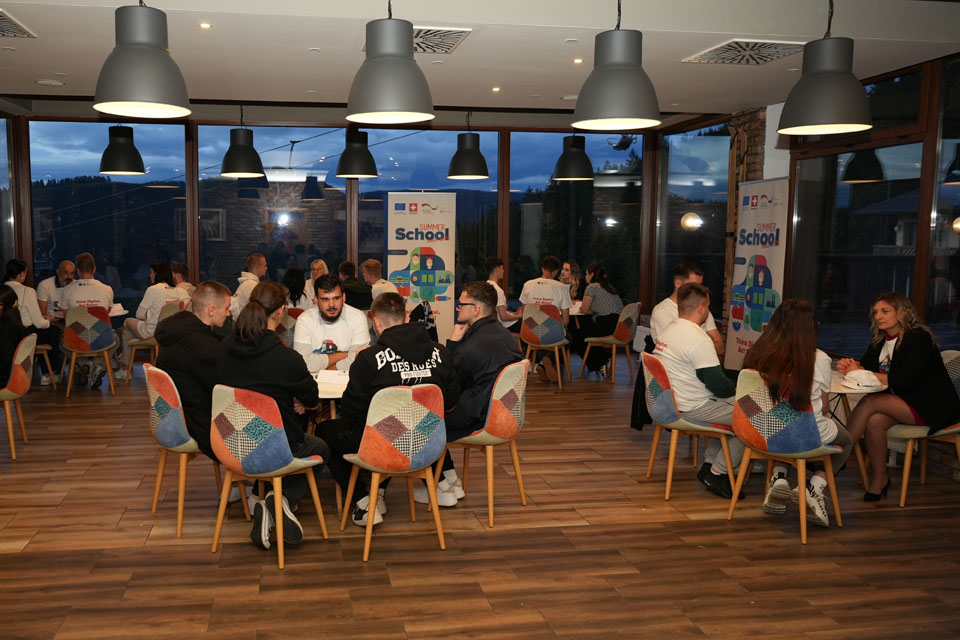
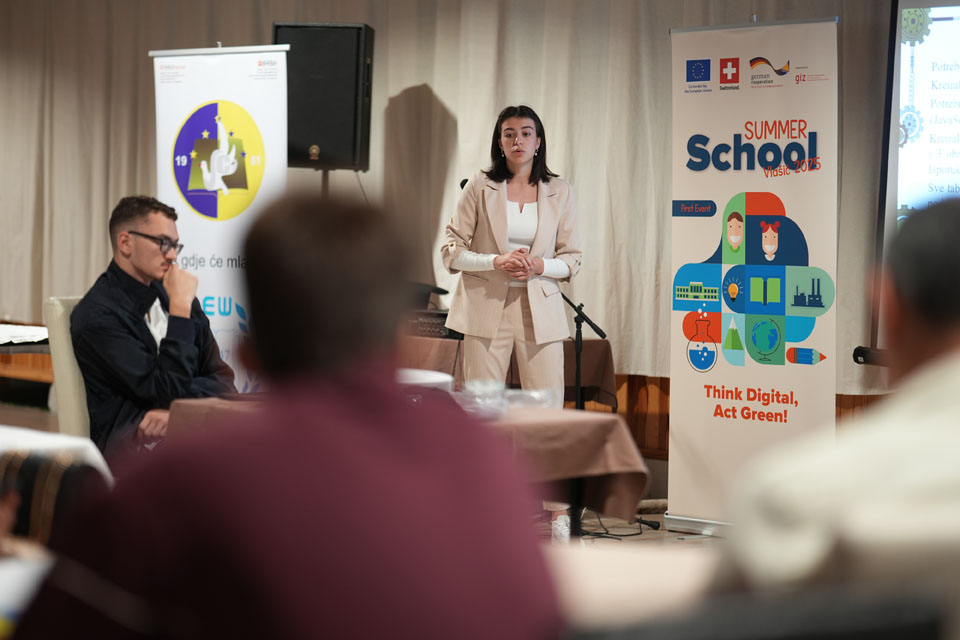
Over five intensive days, students worked in teams to solve specific challenges presented by local companies, developing solutions through business thinking, digital tools, and sustainable practices.
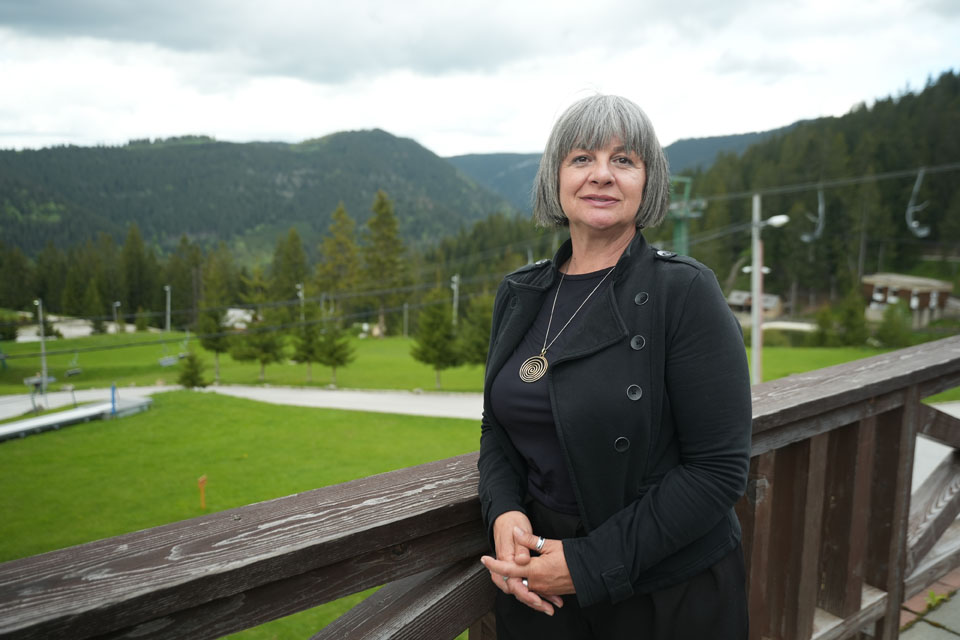
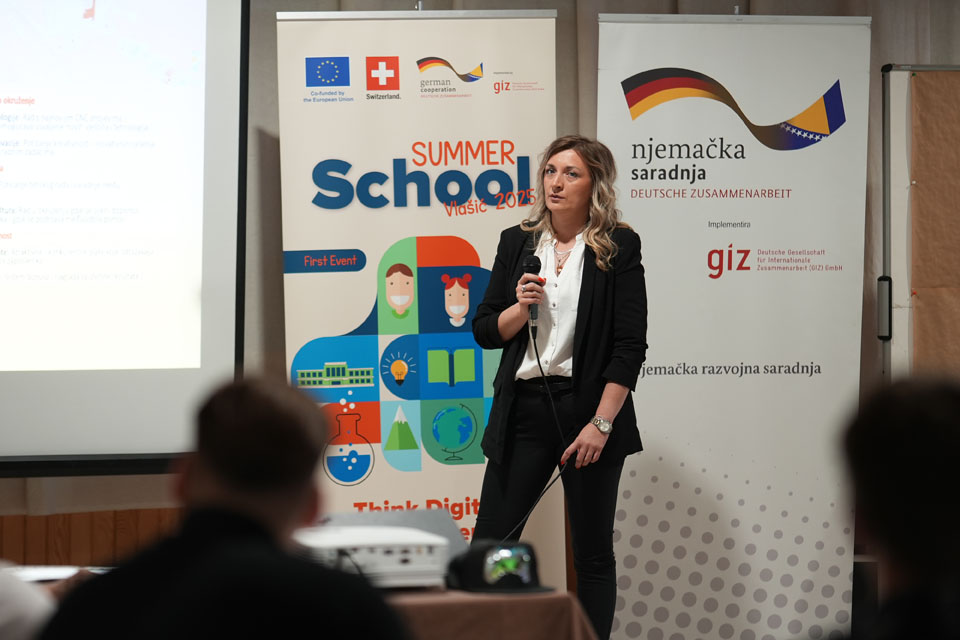
“This school offers what students can’t get in the classroom—communication, negotiation, presentation skills, active listening, and job-seeking techniques,” emphasized Ivona Čelebičić, Head of the Summer School and an expert in vocational education. “The labor market is evolving quickly, and the education system must respond even faster. That’s why initiatives like this must become a continuous practice.”
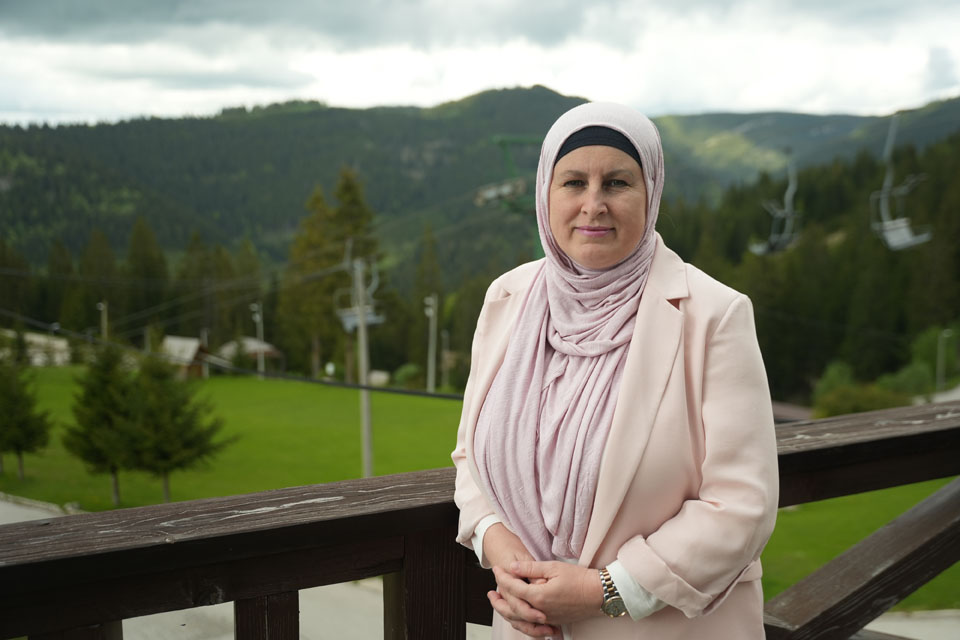
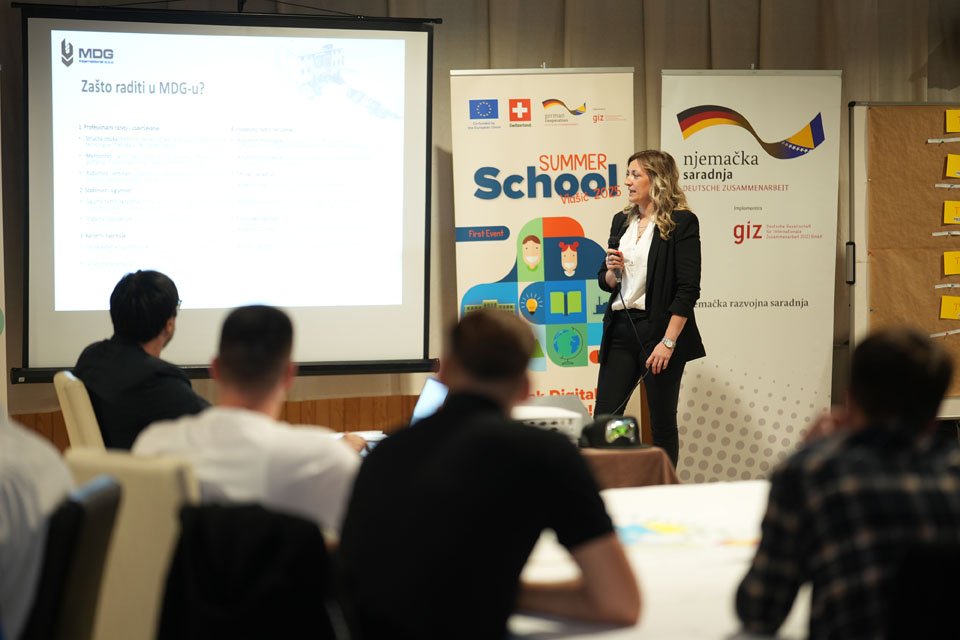
Merima Šehić, HR Manager at MDG International Vogošća, highlighted the importance of practical training like the Summer School, especially for final-year students:
“It’s wonderful that students had this opportunity to meet employers before taking that crucial step into the professional world. Most of them likely hadn’t been in such a situation before, like attending a job interview, so we as employers gave our best to make that first step into a career easier for them,” said Šehić.

Student Voices: Boosted Confidence and Readiness for the Next Step
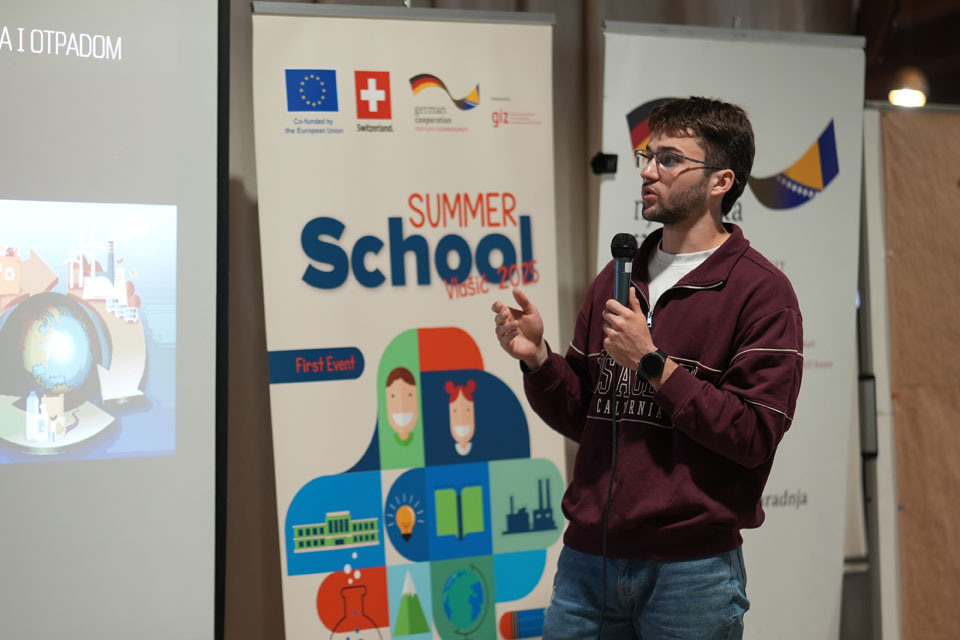
For many participants, this was more than just a school program—it was a launching pad. Ajdin Ćurovac, a student at the “Džemal Bijedić” Secondary Vocational School in Goražde, shared that the Summer School helped him build confidence and uncover knowledge he didn’t know he had:
“When we received the project, I was surprised by how much I could contribute. I was responsible for the presentation, and that experience helped me break out of my shell and learn how to communicate about important topics. I plan to continue my education at university, and everything I’ve learned here will be extremely useful.”
Praise from Schools: A Model That Should Become Standard
Zumreta Sedić, Principal of the Mixed Secondary Technical School for Mechanical and Traffic Studies in Bihać, stressed that such practices are valuable not only for students but also for their potential future employers:
“Unlike traditional classroom learning, here students gain new experiences and develop skills that can’t be taught in school. They meet employers, learn how to apply for a job, and how to behave in an interview. This is a bridge between school and the real business world.”
Final Day: Awards and Words of Encouragement
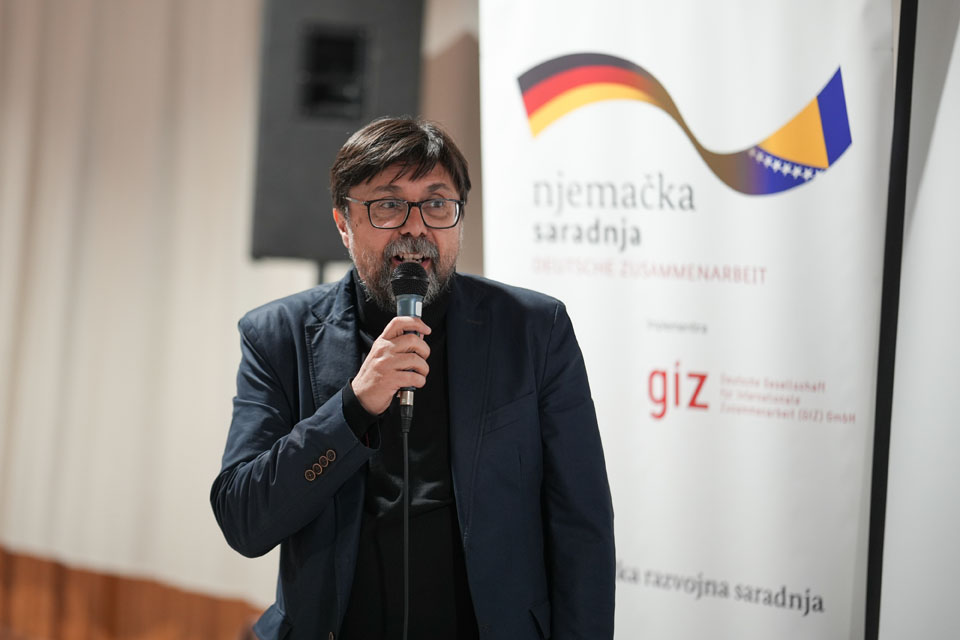
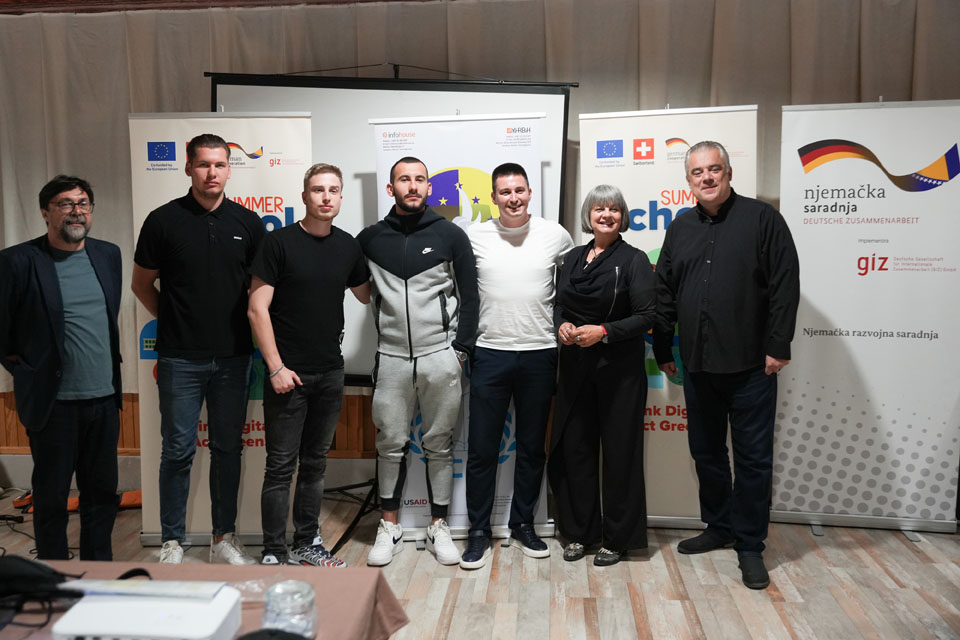
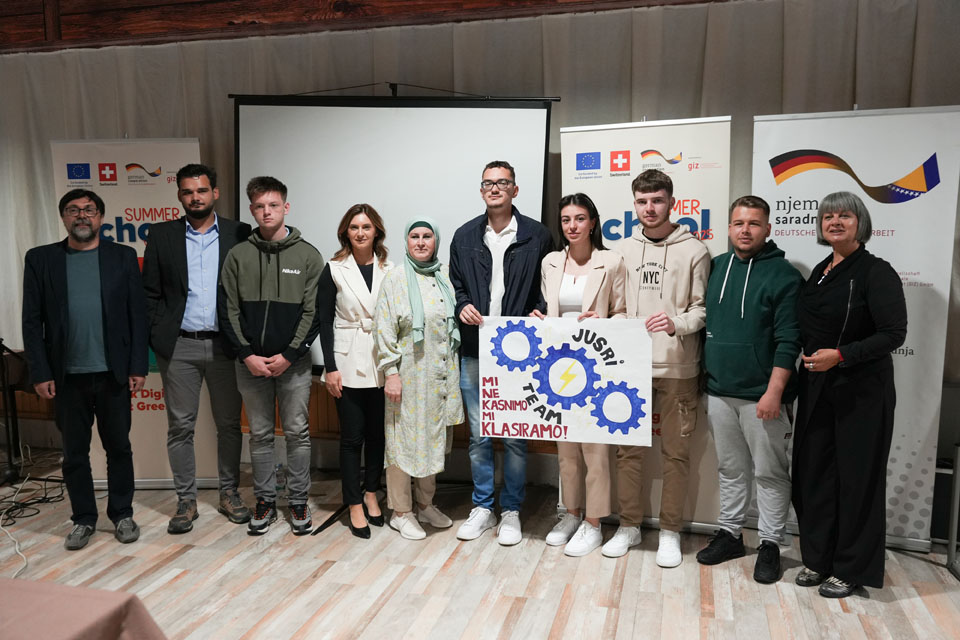
The final day of the Summer School was marked by a celebratory ceremony where participants, partners, and organizers shared their impressions and experiences. The initiative not only empowered youth but also sent a strong message about the importance of deeper partnerships between education and the business sector, especially in the context of green and digital transformation.
Summer School 2025 may not change the system overnight—but as was said many times throughout the event, it can change the lives of these 25 students. And that is just the beginning.
This success story was developed within the Sustainable Economic Development and Employment Promotion Programme (SEDEP) in Bosnia and Herzegovina, jointly financed by the European Union, the Government of Switzerland and the German Federal Ministry for Economic Cooperation and Development (BMZ), and implemented by GIZ.