Climate change, environmental pollution, and the shift toward a green economy are no longer topics of the future—they are happening here and now. For Bosnia and Herzegovina to successfully adapt to these challenges, one of the key steps is strengthening vocational education. This is where the generations that will lead the country’s energy transition are being educated today.
“Green competencies are not reserved only for specialized professions. They are needed in all sectors—from auto mechanics and electricians to solar system installers, wind turbine technicians, or sustainability officers,” says Majda Tolić, Advisor for Vocational Education and the Labor Market at GIZ.
This is a global trend. According to data from the U.S. Bureau of Labor Statistics, the occupation of wind turbine technician ranks among the fastest-growing in the United States, with an expected employment increase of as much as 44% by 2031.
If the education system fails to follow these trends, young people will graduate without the knowledge and skills required for jobs that are already standard in the modern energy sector.
Joint Investments for a Sustainable Future
Teacher training and strengthening school capacities are part of a broader commitment by international partners to support the green transition of Bosnia and Herzegovina. The German Federal Ministry for Economic Cooperation and Development (BMZ) has designated “climate and energy / just transition” as a key area of cooperation with BiH. Together with the Swiss Government, Germany invests in projects of decarbonization, renewable energy, and energy efficiency.
Bosnia and Herzegovina has sunlight, wind, water, forests, and agriculture. But without educated people, these resources will remain untapped potential.
That’s why such training programs are more than just technical instruction—they are investments in young people who will have jobs, in schools that will become centers of knowledge, and in a society that will build a safe, clean, and sustainable future.
How Much Is the Sun Worth for Bosnia and Herzegovina?
Bosnia and Herzegovina has significant potential for the use of renewable energy sources. In addition to hydropower, wind, biomass, and especially solar energy stand out. Solar energy is practically inexhaustible—BiH enjoys an average of about 1,840 hours of sunshine per year, while the southern part of the country records up to 2,600 hours spread across 270 sunny days. These figures confirm that BiH has excellent conditions for strong solar energy development—numbers many European countries can only dream of.
The growth of solar energy confirms this. According to the State Electricity Regulatory Commission, in the last five years, the installed capacity has increased from several dozen megawatts to over 600 MW by the end of 2024. “If we don’t follow this trend through education, young people will leave schools unprepared,” warns Nihad Harbaš, energy and climate change expert. “Education and professional development of teachers in this field play a crucial role, as they prepare young generations for the professions of the future.”
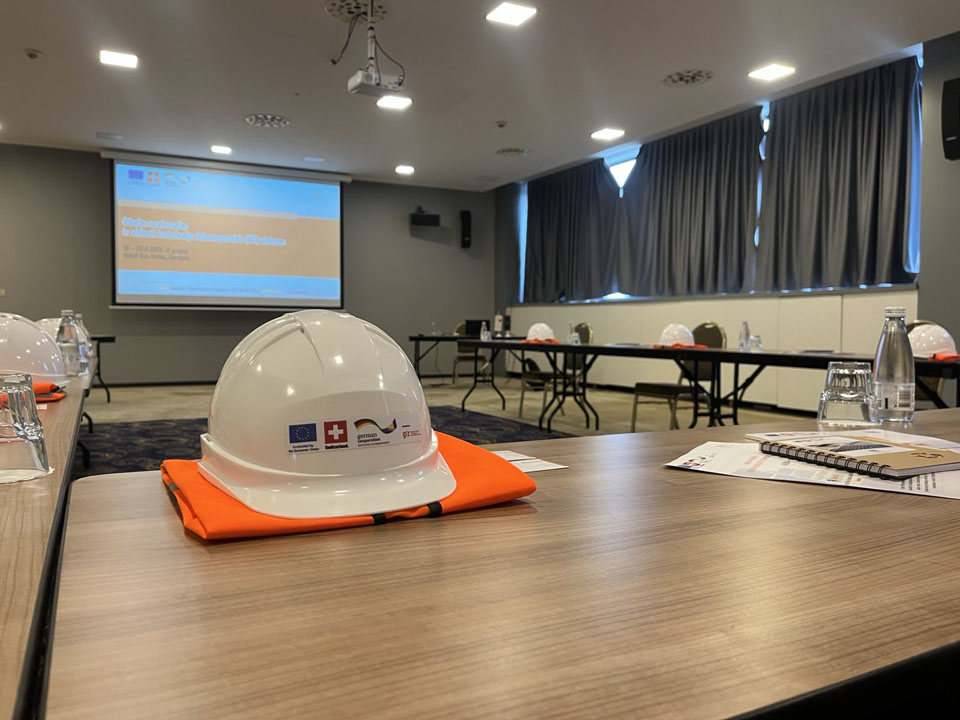
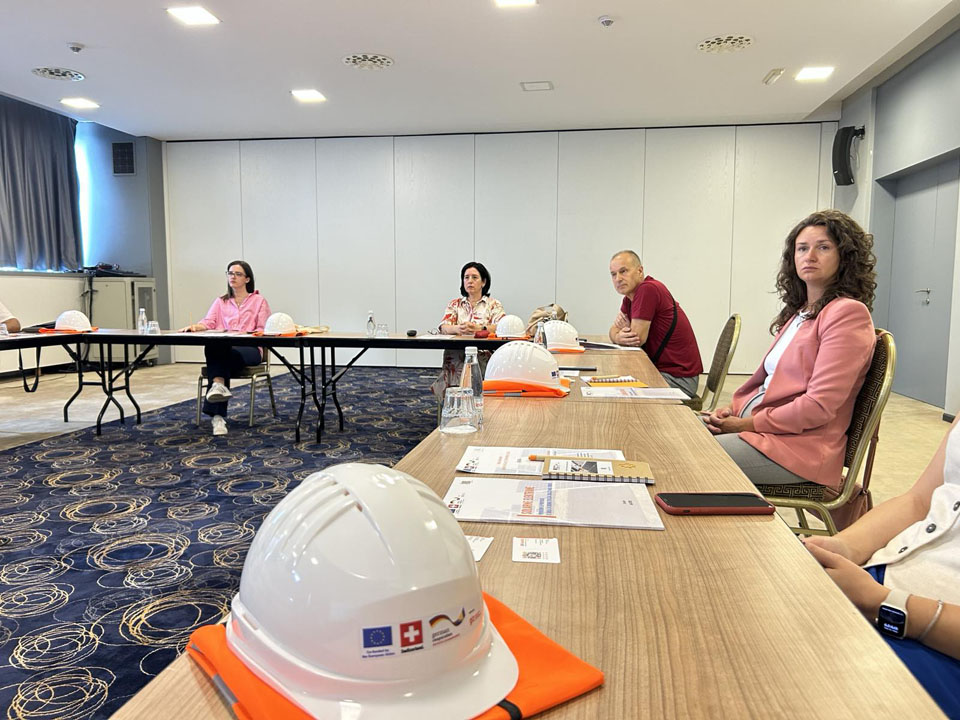
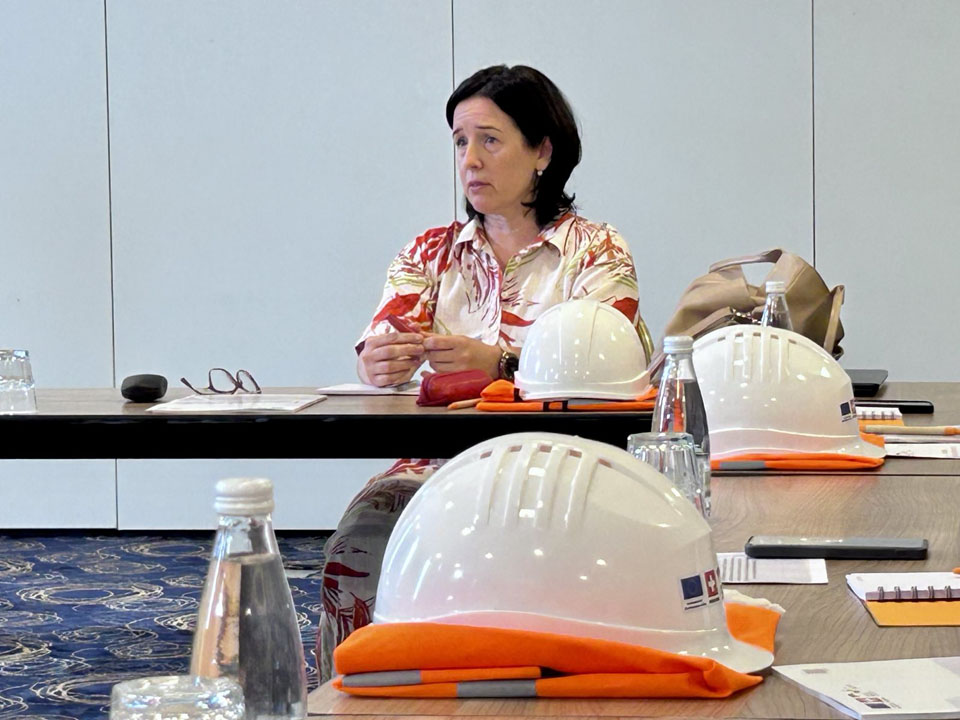
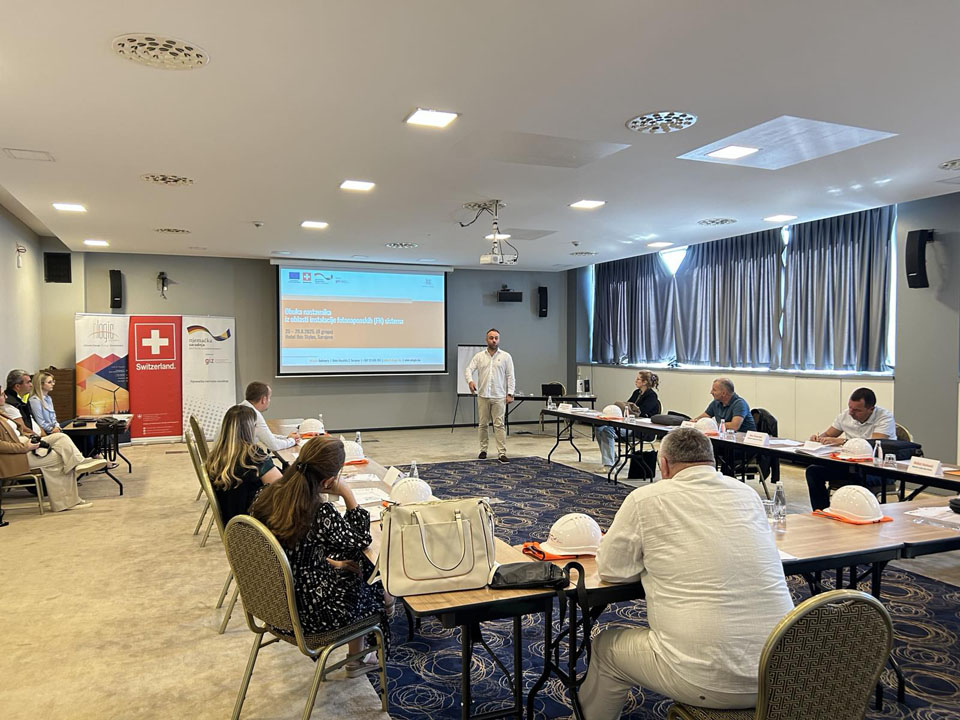
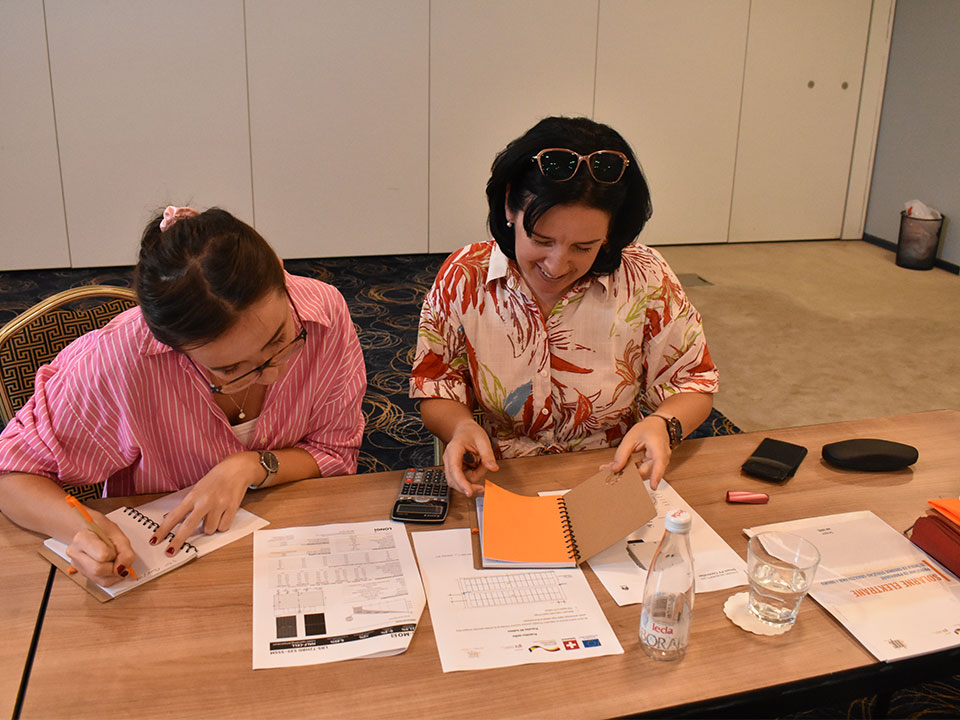
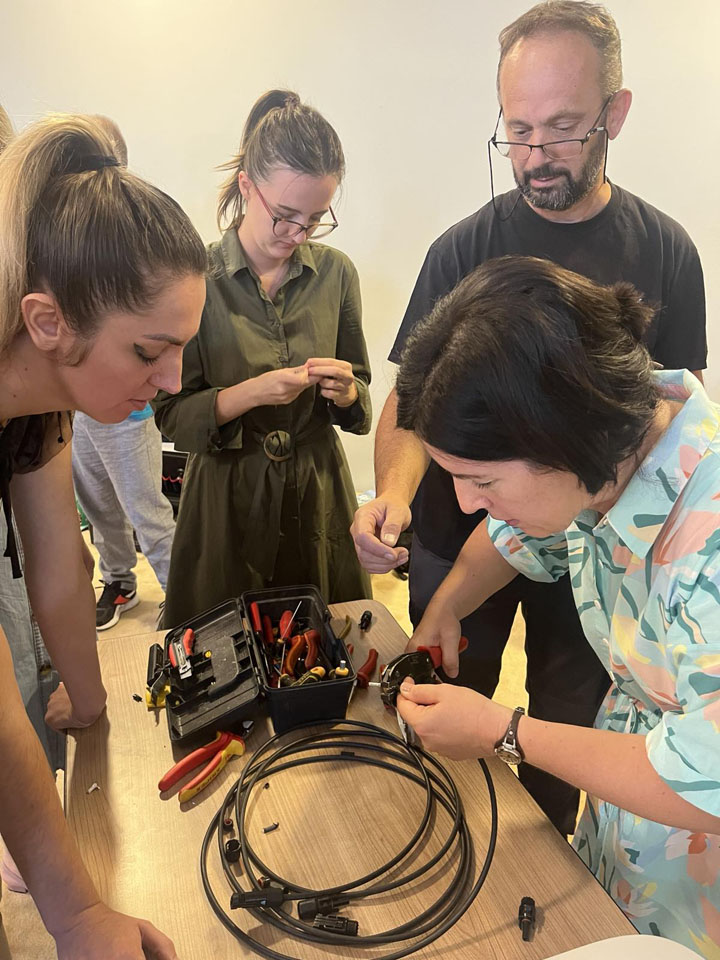
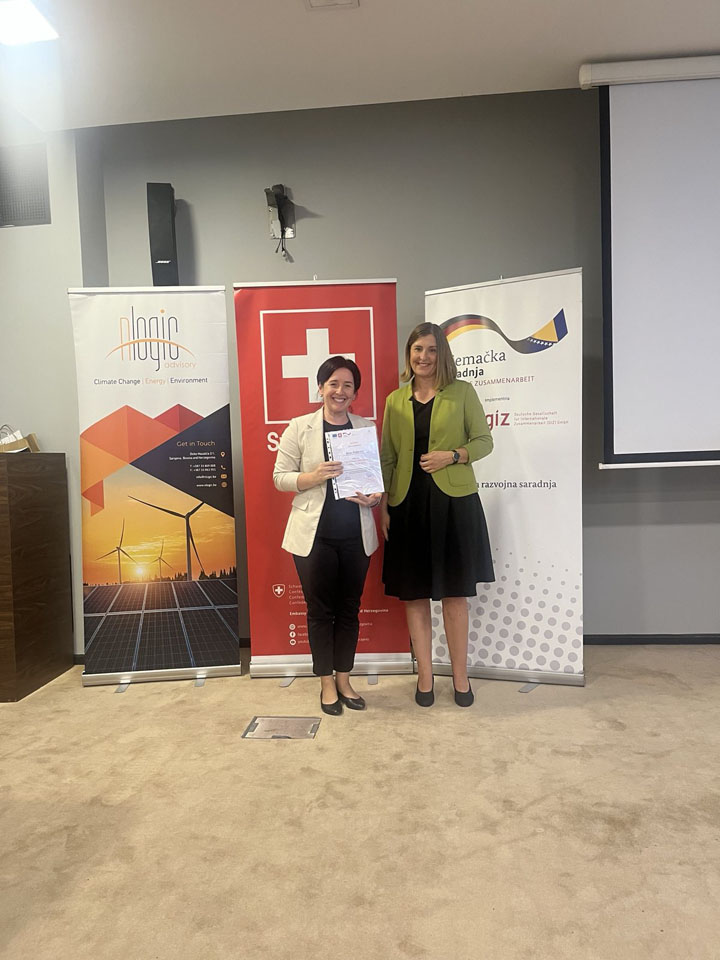
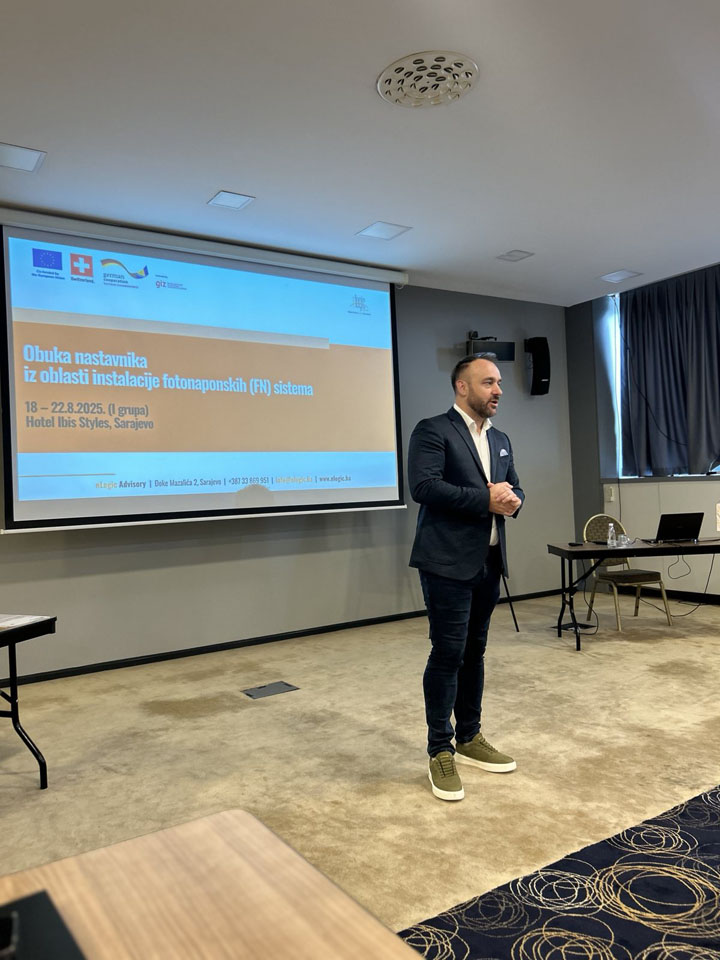
SEDEP Training – Teachers Learn, Students Benefit
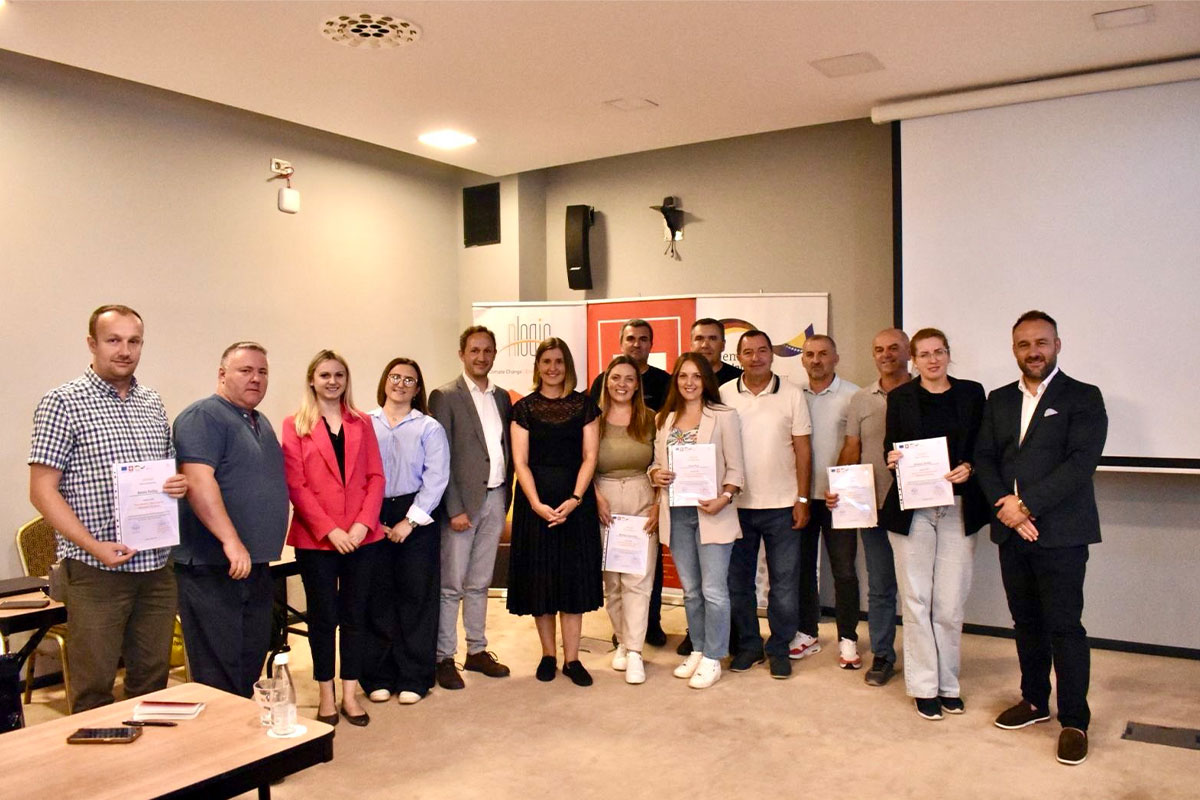
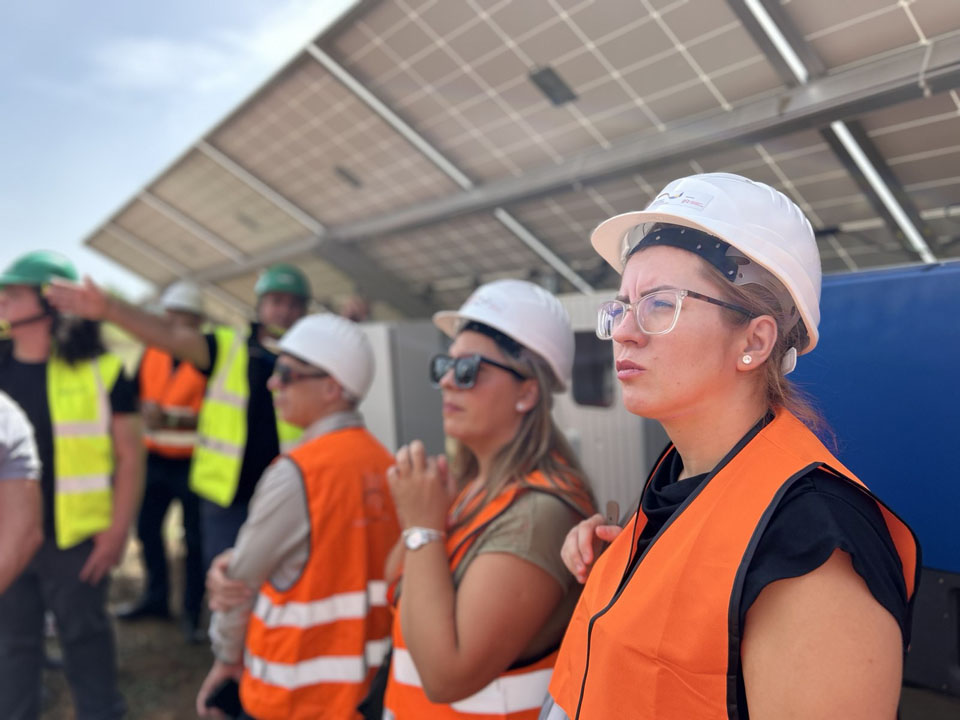
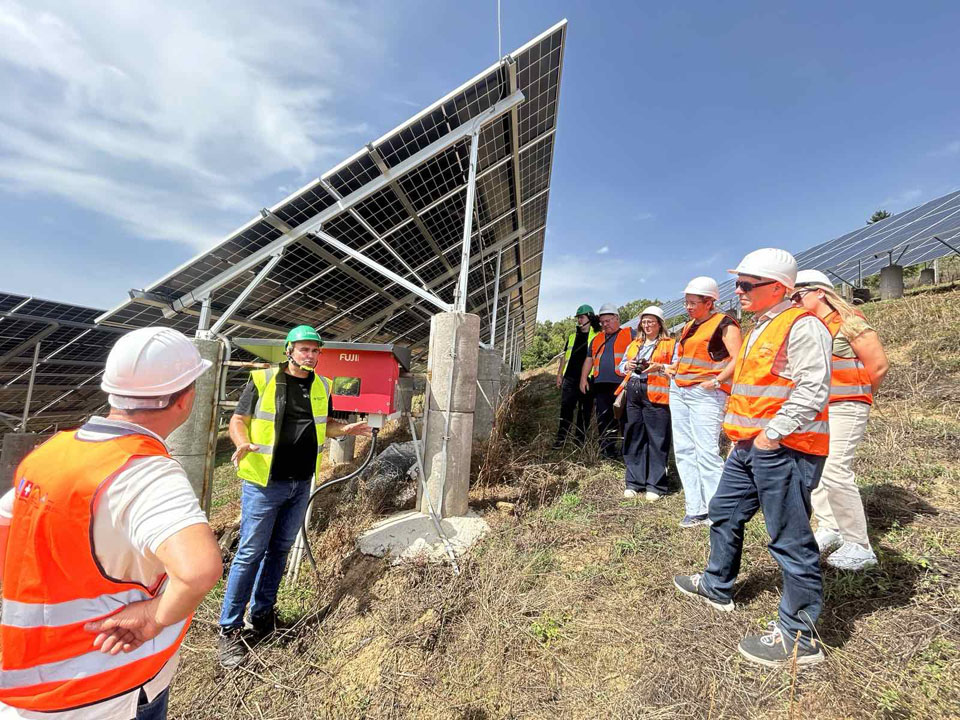
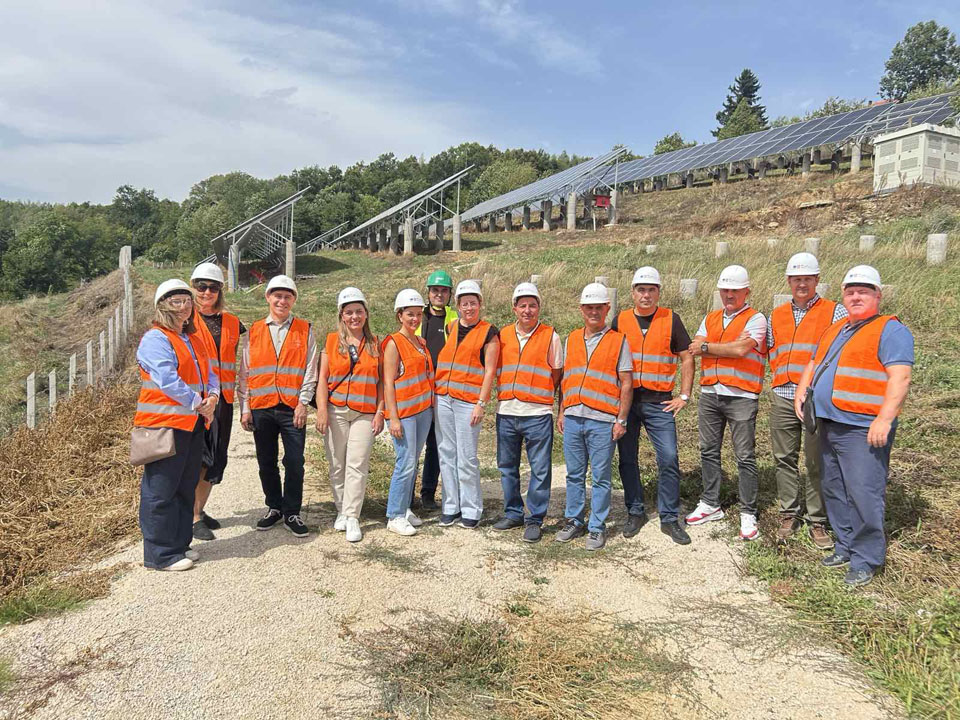
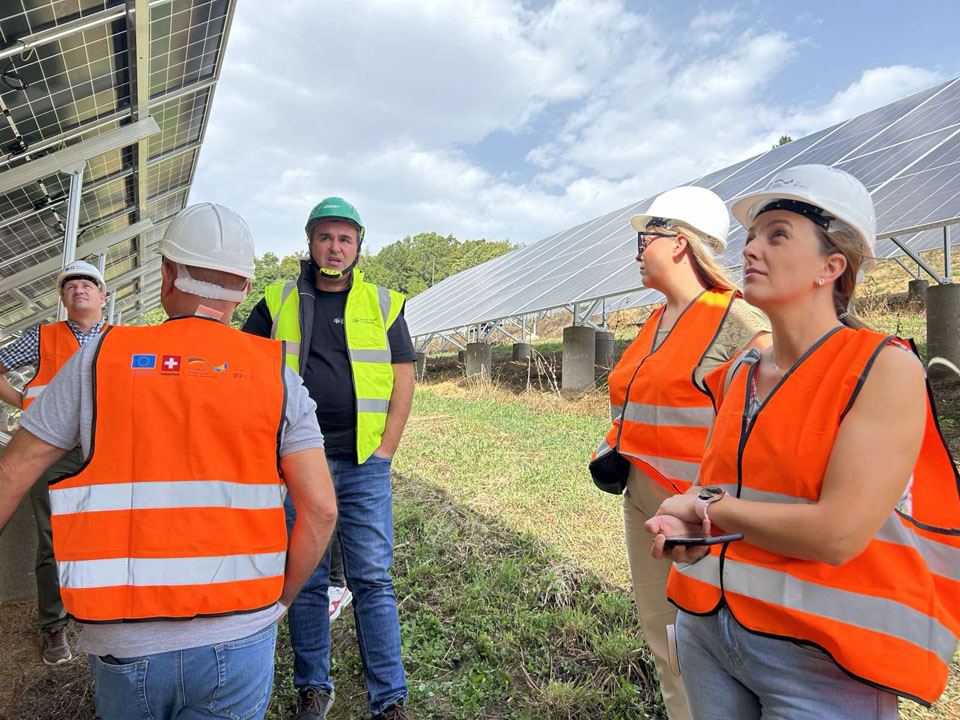
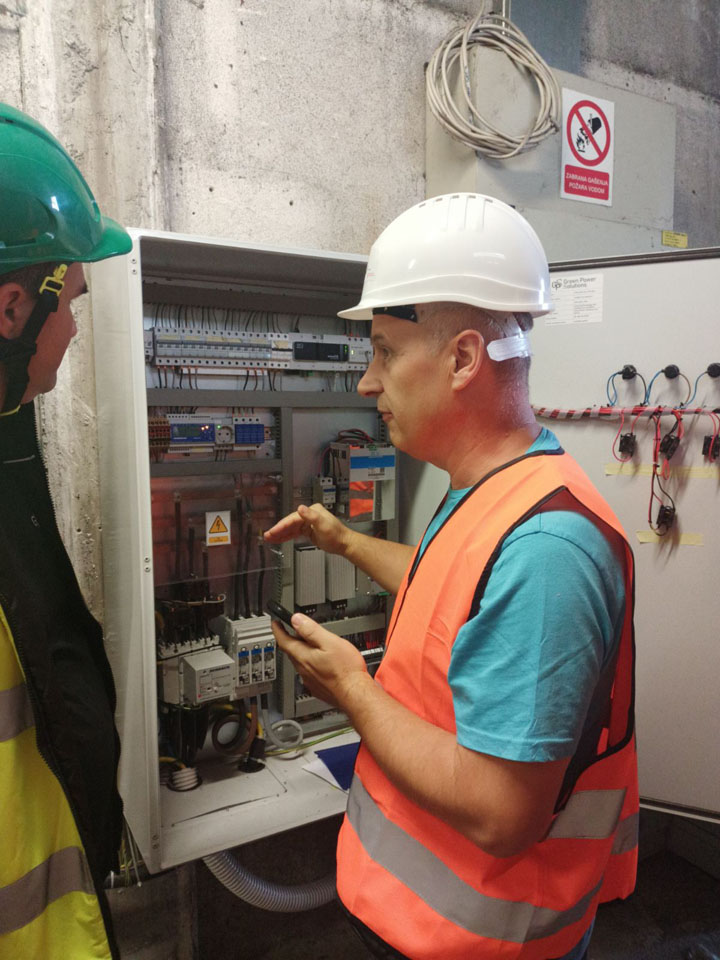
For this reason, the “Sustainable Economic Development and Employment Promotion (SEDEP)” program in BiH organized a two-week training course for teachers titled “Training in Photovoltaic System Installation.” The training brought together 18 teachers from five schools and four cantons. More than half of the participants were women—proof that even in technical disciplines, stereotypes are being broken.
Professor Maida Hajdarević from the Mixed Secondary Electrotechnical School Tuzla says, “The training gave us insight into all components of PV systems, hands-on experience with equipment, and the integration of electrical and construction knowledge. I plan to transfer this new knowledge to students through both theoretical and practical classes, preparing them for quick employment in the increasingly important energy sector.”
Schools as Drivers of Change
One of the most notable examples comes from the Mixed Secondary Electrotechnical School Tuzla, where, with the support of the Center for Ecology and Energy Tuzla and Swiss Caritas BiH, a 10 kW photovoltaic power plant was installed.
The plant produces about one-third of the school’s electricity needs, but more importantly—it has become an open-air classroom. Students of the new program “Photovoltaic System Installer – Electrician” can track in real time, on an LCD screen, how much electricity the plant produces. This experience directly connects them with the practical work they will do in the future.
Bosnia and Herzegovina has sunlight, wind, water, forests, and agriculture. But without educated people, these resources will remain only potential. That’s why teacher training programs like those organized under SEDEP are more than technical instruction—they are investments in future generations.
It is an investment in young people who will have jobs tomorrow, in schools that will become centers of knowledge, and in a society that will have clean, safe, and prosperous energy.
This success story was developed within the Sustainable Economic Development and Employment Promotion Programme (SEDEP) in Bosnia and Herzegovina, jointly financed by the European Union, the Government of Switzerland and the German Federal Ministry for Economic Cooperation and Development (BMZ), and implemented by GIZ.