
In Tešanj, one of Bosnia and Herzegovina’s most developed industrial hubs, the metal sector is increasingly emerging as an example of how traditional manufacturing can be transformed through digitalisation, sustainability and investment in human capital.
One example of this approach is Medena Commerce d.o.o., a company actively involved in the development of dual-organised vocational education and training (VET), with a focus on bridging education and labour market needs through its production processes.
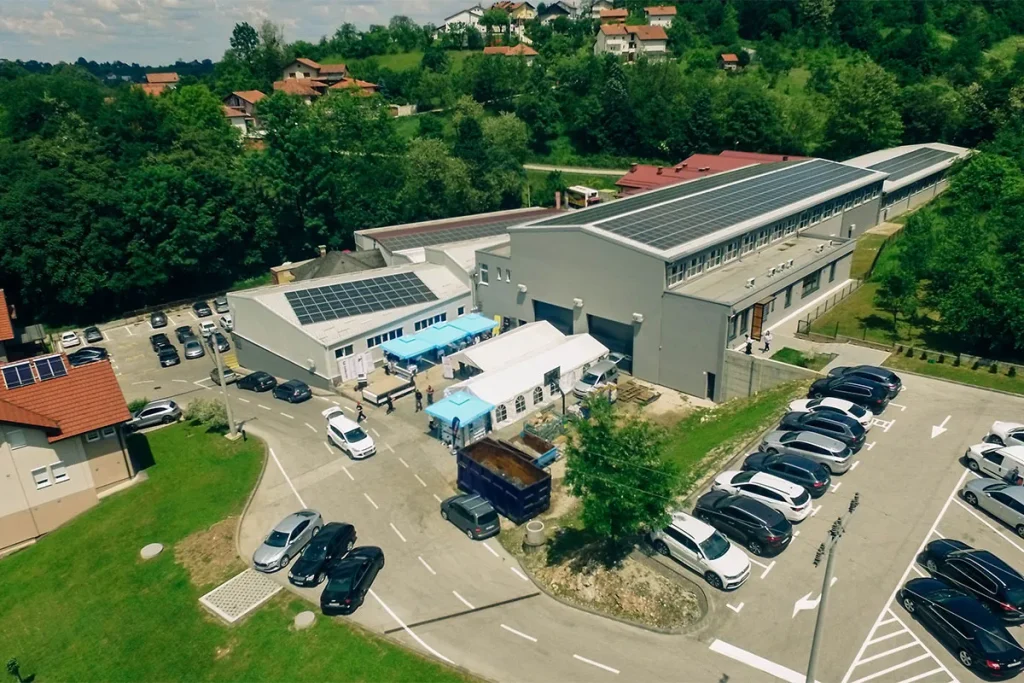
Founded in 1993 as a small trading business, the company has evolved over three decades into a manufacturing enterprise operating in the metal sector, specialising in precision metal processing and the application of modern technologies. In line with industry developments, particular attention has been given to the digitalisation of production processes, workforce development and the gradual introduction of green business practices.
Young People Learning in a Real Production Environment
One of the key elements of the company’s cooperation with the education system is the inclusion of vocational secondary school students in practical training.
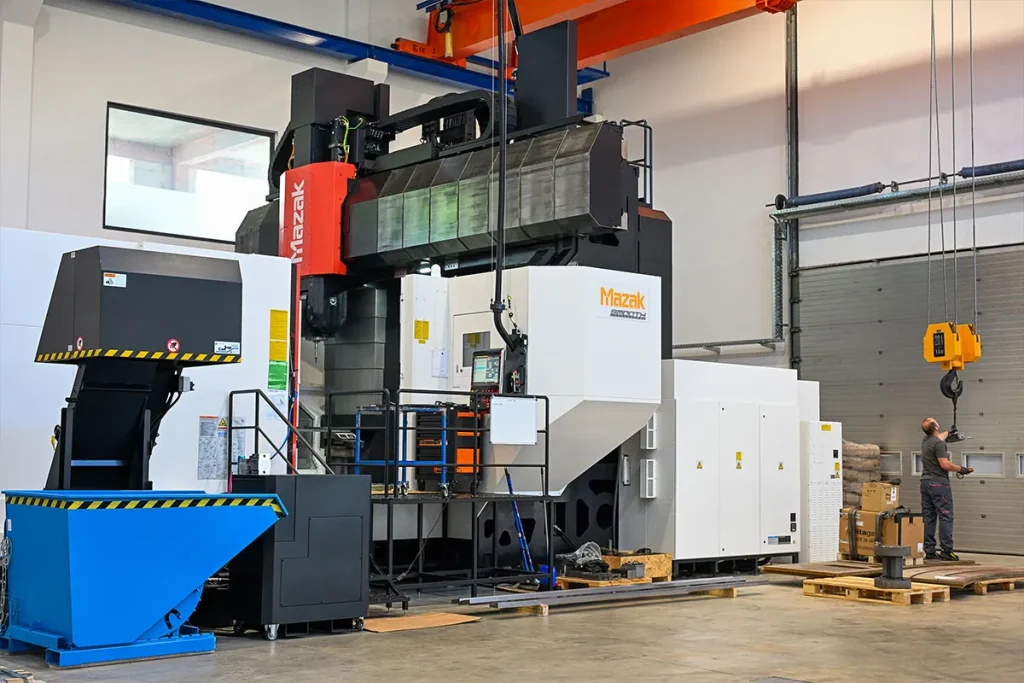
Within this model, students are trained for occupations such as CNC machine operators, metal cutting technicians and computer engineering technicians. The training process includes working on modern CNC machines, material preparation, basic programming, measurement and quality control, all under the continuous guidance of experienced mentors.
“My internship gave me the opportunity to learn how to work on CNC machines. With the support of my mentor, I improved day by day and now I even work on the largest CNC machine in the region. I can see myself building a career in this profession,” says student Amel Mešić.
From the company’s perspective, dual education is viewed as a long-term mechanism for connecting education with labour market demands.
“We see practical training as an opportunity to prepare students for real work environments and identify those who may become our future employees. Many students who complete their internships stay with our company and continue building careers in the metal industry,” says Selma Bradarić, Sales Manager.
According to the company’s experience, a number of students remain employed after completing their practical training, helping to reduce the gap between education and industry needs.
“Thanks to the commitment and effort I demonstrated during my internship, Medena offered me a job after graduation, which I gladly accepted. Today, I work as a CNC operator and continue learning through practical experience,” says Mujo Ramić.
Alongside workforce development, the company also places strong emphasis on inclusion in the workplace, particularly on increasing the participation of women in production occupations.
In the metal industry, traditionally perceived as a male-dominated sector, women are increasingly taking on technical roles, including operating CNC machines.
“We are proud that women in our production facilities work alongside their colleagues on CNC machines and contribute equally to the quality of our work. In doing so, we are gradually changing perceptions about so-called ‘male professions’,” Bradarić explains.
One of the company’s employees, Amina Kurtić, emphasises that success in industry depends primarily on skills and dedication rather than stereotypes.
“I approach every challenge on the machine with focus and commitment. I hope my example demonstrates that industry is not closed to women. With determination and continuous learning, anything can be achieved,” says Kurtić.
Green Transition in an Industrial Environment
In addition to investing in human resources, the company is gradually introducing measures aimed at improving energy efficiency and sustainable production.
Medena Commerce d.o.o. is certified according to the ISO 14001 environmental management standard and implements measures such as the use of solar energy and the recycling of steel waste.
“Our green transition begins on the production floor—through responsible energy and resource management, as well as through the education of both employees and students,” says Bradarić.
These efforts extend beyond operational processes. Students participating in practical training are also introduced to the principles of sustainable manufacturing, enabling them to develop green skills alongside technical competencies.
Connecting Education, Industry and Development Partners
The cooperation model between industry and education forms part of broader efforts to strengthen vocational education systems and improve their alignment with labour market needs.
In this context, Roman Gorowoj highlights that examples such as Medena Commerce demonstrate how dual education can contribute to building a more resilient workforce:
“Medena Commerce is an excellent example of how dual-organised vocational education and training can successfully contribute to workforce development. The combination of practical training, mentoring, gender equality and green practices demonstrates how modern industry can be both inclusive and sustainable.”
These activities are implemented within broader development frameworks that bring together domestic institutions and international partners working in the fields of education and employment, with a particular focus on strengthening green competencies and fostering closer links between education and industry.
The experience of the metal sector in Tešanj demonstrates that industrial competitiveness increasingly relies on a combination of technical precision, human capital development and sustainable business practices.
By connecting education and industry, integrating young people into real working environments, strengthening the role of women in manufacturing and advancing the green transition, a model is being created that contributes to the long-term development and competitiveness of Bosnia and Herzegovina’s metal sector.
“In today’s market, which is facing constant and highly unpredictable changes, it is important to create an environment that is both flexible and as resilient as possible. For this reason, it is essential to follow trends in technological development, human resources, and environmental protection, as this brings significant long-term savings and makes us more competitive,” Bradarić concludes.
This success story was developed within the Sustainable Economic Development and Employment Promotion Programme (SEDEP) in Bosnia and Herzegovina, jointly financed by the European Union, the Government of Switzerland and the German Federal Ministry for Economic Cooperation and Development (BMZ), and implemented by GIZ.