Jajce Alloy Wheels is at the forefront of sustainable industrial production, applying innovative environmental technologies that reduce the negative impact on the environment. As the number of employees continues to grow, the company makes significant investments in the development of its employees’ skills and knowledge, ensuring competitiveness in the global market.
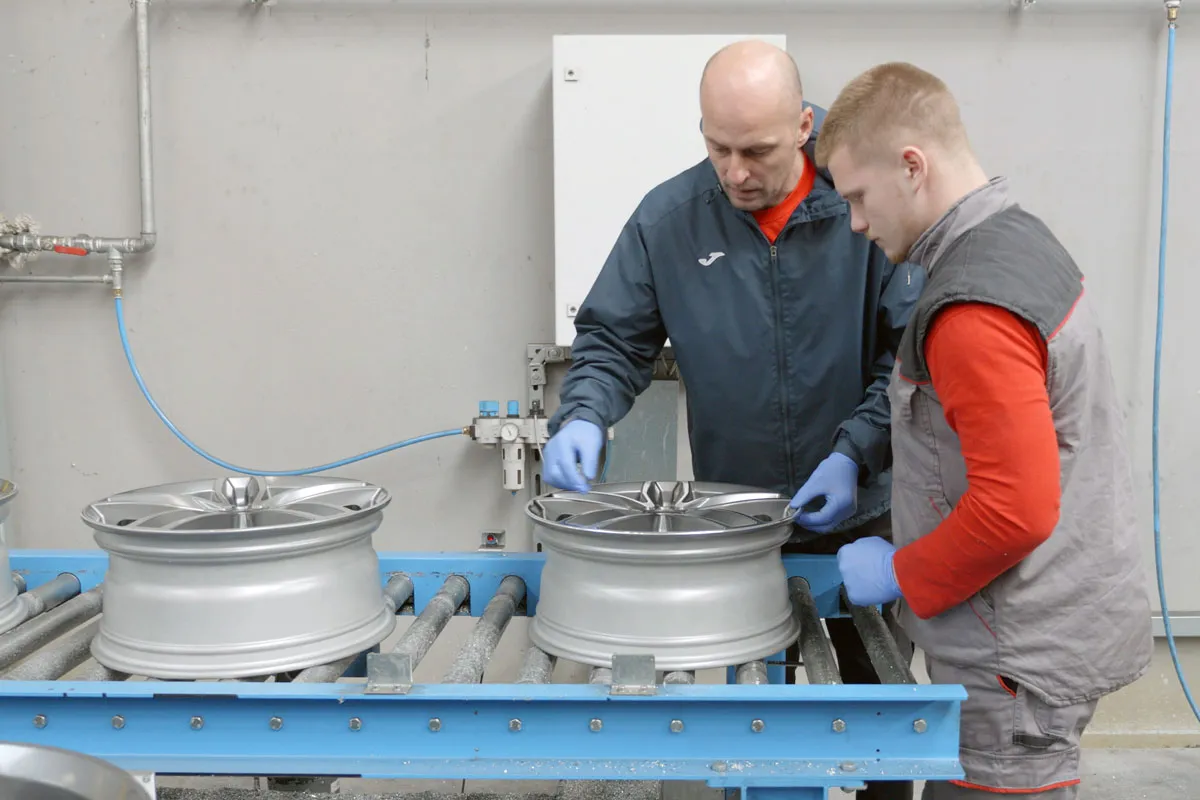
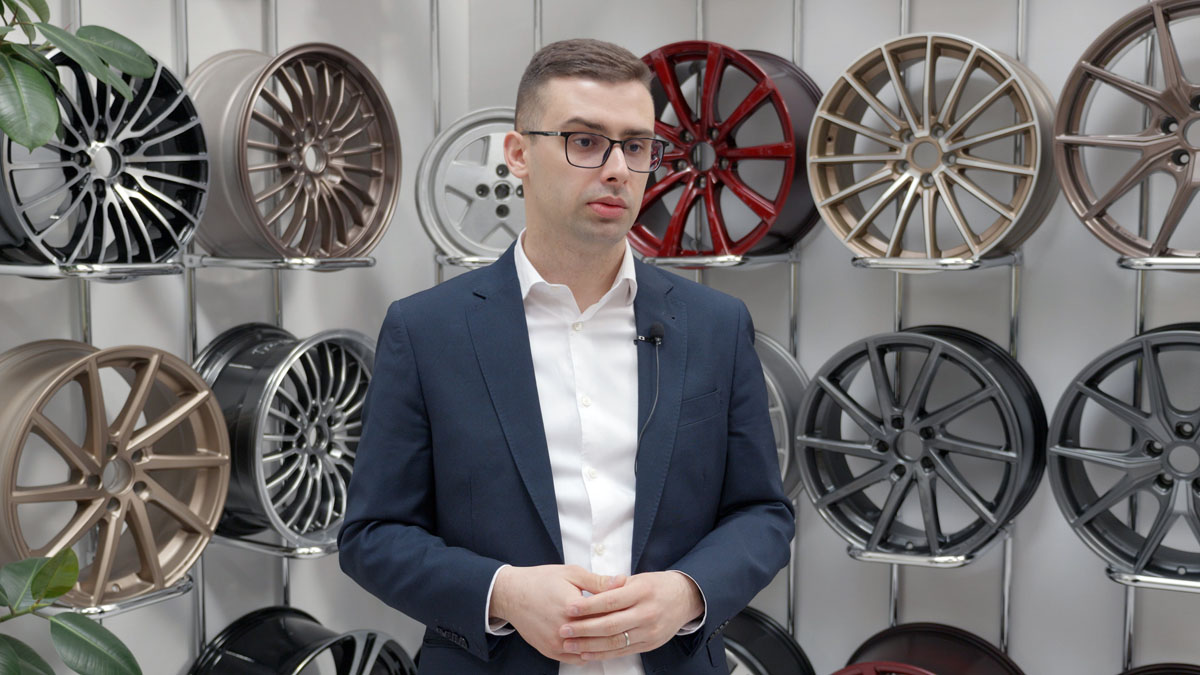
“At Alloy Wheels Jajce, green skills are not just a trend, but a key component of our philosophy. We apply the latest environmental standards in production processes, and we want to pass these values on to future generations. Through the mentorship supervised by our engineers, we develop green competencies with students who attend practical classes with us,” said Marko Jukić, director of the company.
Sustainability is woven into every segment of the company’s business, including youth education. Through cooperation with local educational institutions, it provides students with the opportunity to acquire practical knowledge and skills crucial to environmental protection, sustainable production and energy-efficient technologies – the basics that will help them build successful careers.
Stable and modern workplaces for more sustainable local communities
“With the help of a mentor, I learned how to properly dispose and sort waste for recycling, how to behave in the future workplace, and how to properly approach machines and the production process,” says Filip Brtan, a student of the Secondary Vocational School in Jajce.
Secondary school student Mirko Jakovljević confirms and adds: “The processes are very cleverly designed and recycling and energy efficiency are very important. We have places in our plant where we separate municipal waste, packaging, and containers where we separate metal swarf and emulsion, and we make sure that our workplace is tidy.”
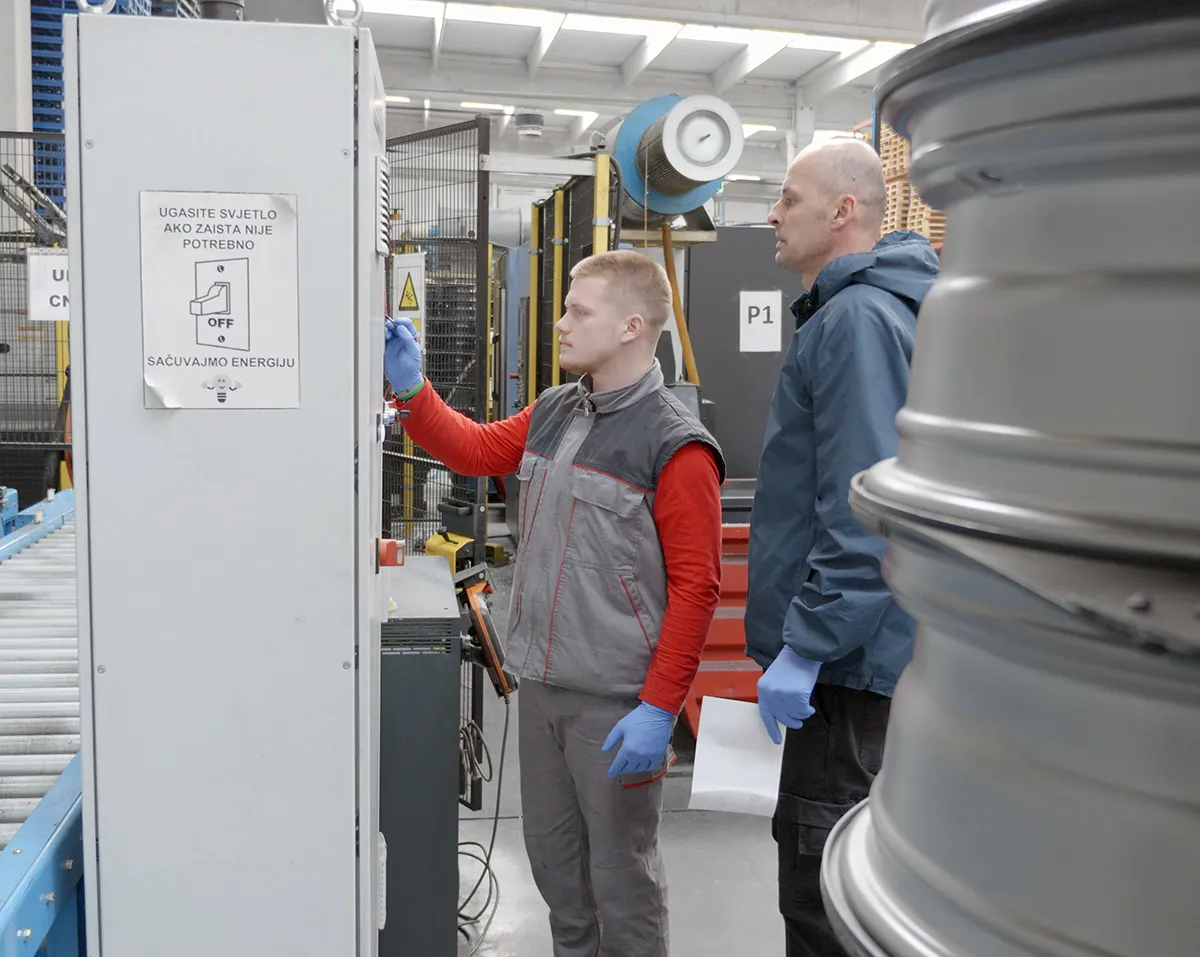
Mentors are committed to transfer expertise to students, while also teaching them the company’s green practices, such as recycling metals and waste generated in JAW, energy efficiency, and reducing emissions. Students thus help protect the environment, and acquire skills crucial to working in modern industry.
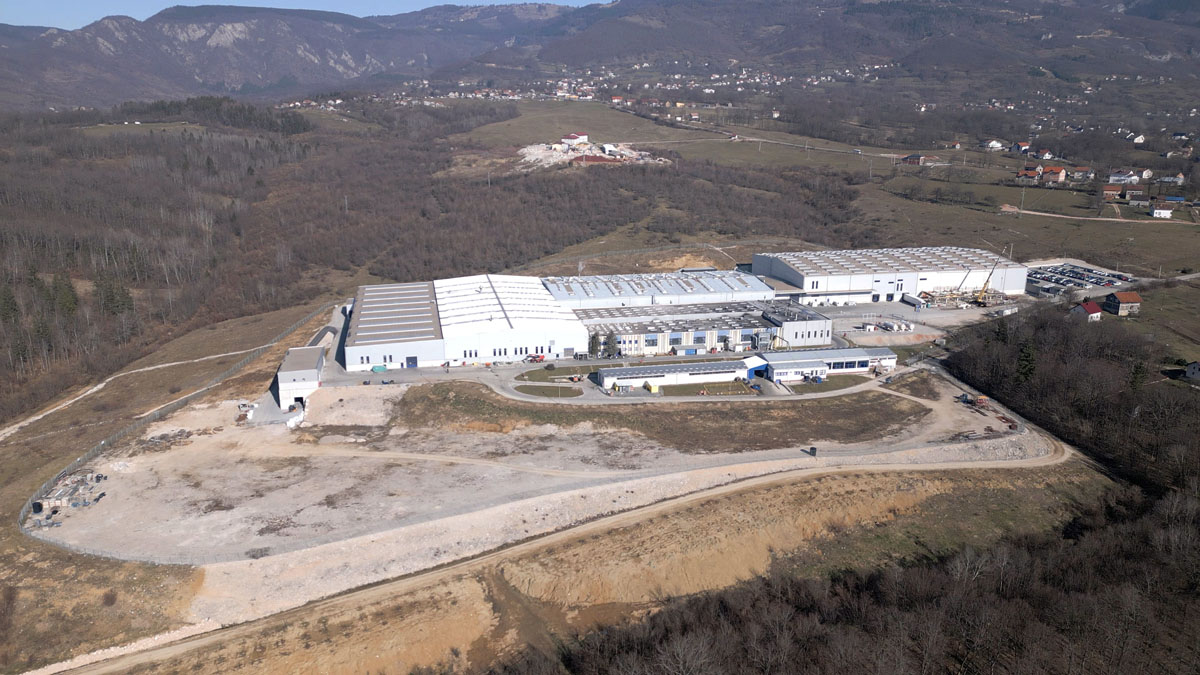
Alloy Wheels Jajce is proof that the green transition brings multiple benefits. Savings are achieved through energy-efficient plant heating, the use of waste heat from production for heating, recycling and the application of smart technologies and methods in production processes. As a result, the company becomes more competitive in demanding international markets. At the same time, the local community has multiple benefits – from company-generated revenues to supporting local farmers through the purchase of food for the canteen. The availability of jobs for young people in Jajce and its surroundings is an indicator that commitment, innovation and sustainable business practices are the key to success.
Andrea Jakešević, HR Process Manager, points out that the economy of Bosnia and Herzegovina has a great need for workers who understand environmental standards and can apply sustainable practices. “Our goal is to develop green competencies and skills in workers. We put a special focus on teaching students during their internship. They acquire skills that will be useful to them not only in our company, but also in any company across Europe. We have contributed to the improvement of vocational education through participation in the development of cross-occupational green competencies, defining learning outcomes and formulating recommendations for their integration into the education system of BiH, in cooperation with the German GIZ and the Chamber of Commerce and Industry of Zenica-Doboj Canton.” Jakešević pointed out.
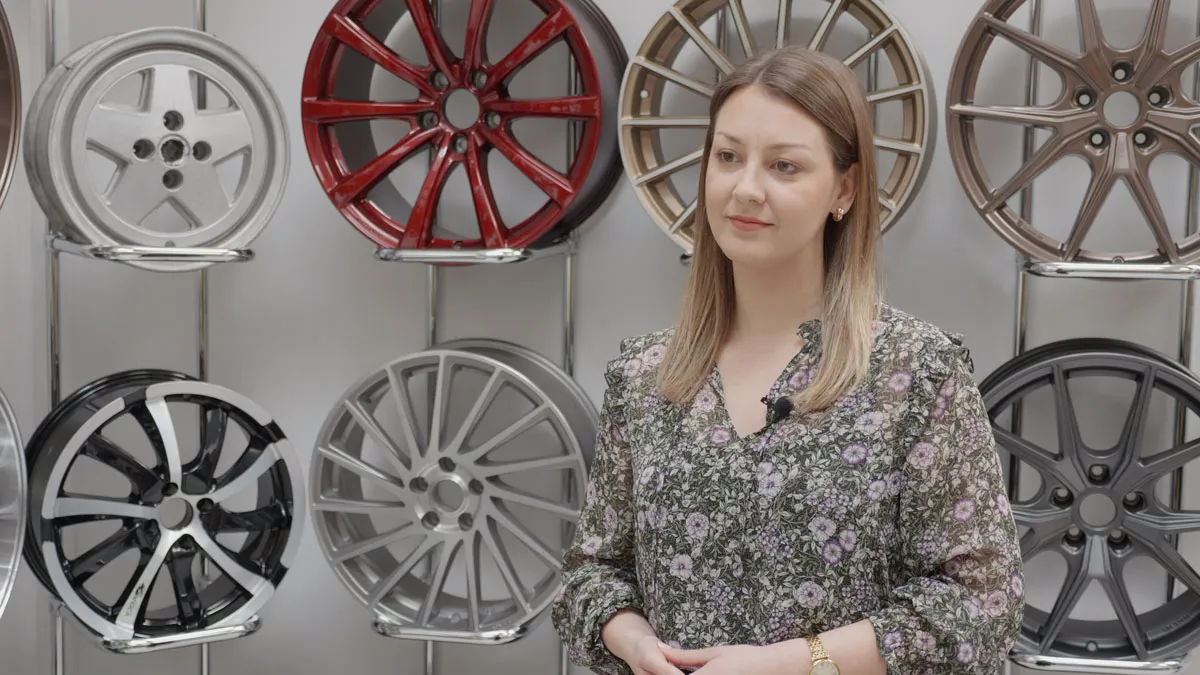
With the support of the GIZ, the Chamber of Commerce and Industry of ZDC is implementing the project entitled “Enhancing the framework for sustainable secondary vocational education with a focus on green transformation”, with the aim of integrating green competences into the education system and aligning education with the needs of the green transition of the economy.
These initiatives fit into the vision of German GIZ, recognized for its expertise in promoting sustainable economic development and supported through the project “Sustainable Economic Development and Employment Promotion” (SEDEP). SEDEP, co-financed by the German Federal Ministry for Economic Cooperation and Development (BMZ) and the Government of Switzerland, aims to improve employability in BiH by supporting the digital and green transformation of the economy.
Ena Kunić, Vocational Training and Labour Market Advisor in GIZ, pointed out that through the SEDEP project, GIZ supports the partnership of the private and public sectors in laying the foundations for a sustainable future and educating young people for the challenges that are yet to come.
“The SEDEP project has a long-term impact on strengthening the competitiveness of the economy and the labour market in BiH, helping the transition towards sustainable business practices and creating a foundation for environmental and economic prosperity in the country. Dual-oriented vocational education plays a key role in preparing young people for the challenges of the green transition through the development of green skills necessary for the labor market.” Kunić pointed out.
This success story was developed within the Sustainable Economic Development and Employment Promotion Programme (SEDEP) in Bosnia and Herzegovina, jointly financed by the European Union, the Government of Switzerland and the German Federal Ministry for Economic Cooperation and Development (BMZ), and implemented by GIZ.