Una-Sana Canton has taken an important step in strengthening the system of dual organised vocational education and training (TVET) through the decision of the Ministry of Economy to allocate BAM 1.000,000 to support practical training and enhance cooperation between schools and the private sector.
This decision represents a strong example of how many years of work on developing dual education in Bosnia and Herzegovina, implemented through the Sustainable Economic Development and Employment Promotion Programme (SEDEP), co-funded by the German Federal Ministry for Economic Cooperation and Development (BMZ) and the Government of Switzerland, and implemented by GIZ, is gradually being transformed into institutional ownership and a sustainable local system.
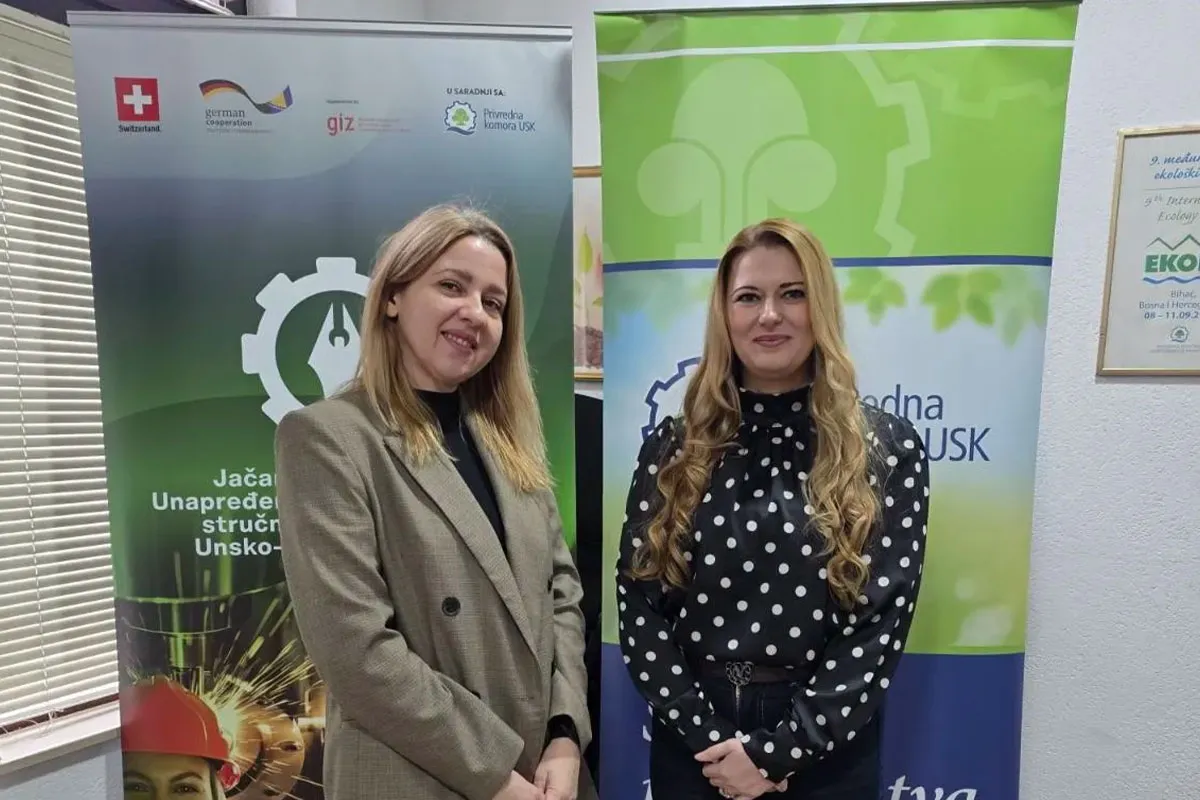
According to the Chamber of Commerce of Una-Sana Canton, which plays a key role in connecting employers and educational institutions, companies previously highlighted a lack of practical skills among students, creating a gap between the education system and labour market needs. Today, the situation is changing significantly, with an increasing number of companies actively engaging in delivering practical training and contributing to the development of the future workforce.
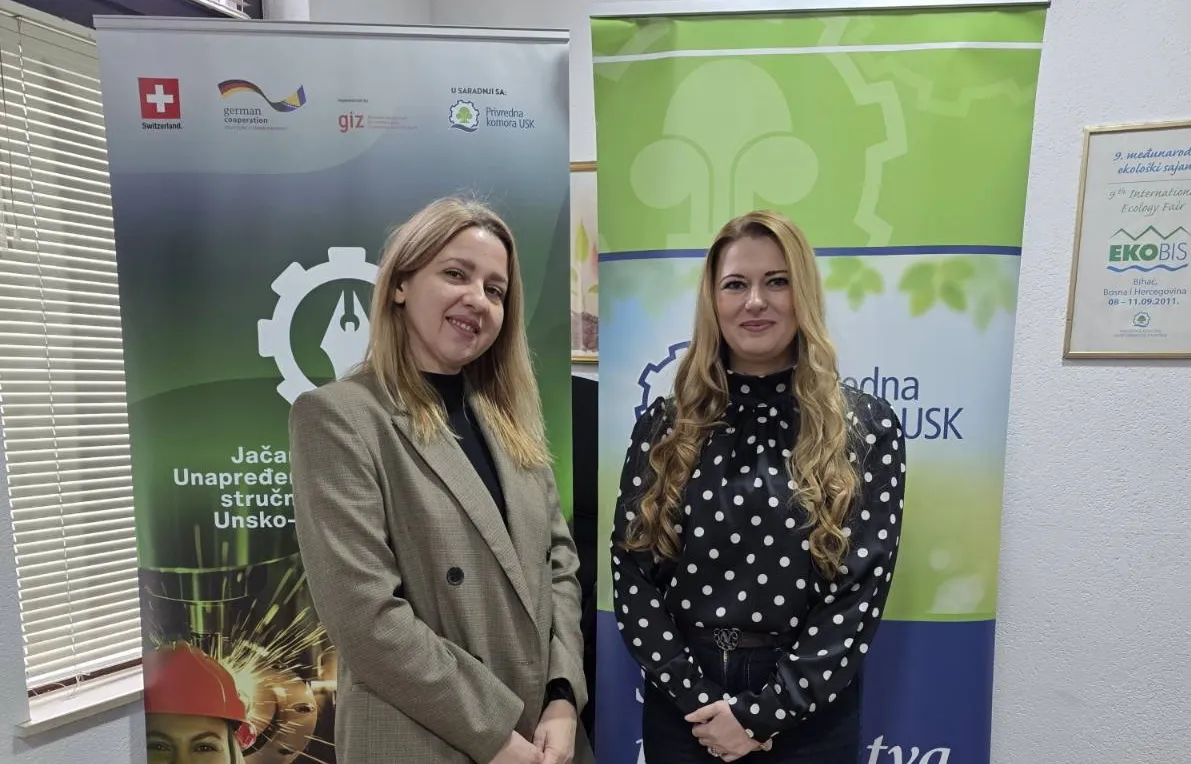
“Companies increasingly recognise that investing in students means investing in their own future. Today, almost 1,000 students in secondary vocational schools in Una-Sana Canton complete their practical training in companies, whereas a few years ago this number was only symbolic,” said Sanela Sabljaković, President of the Chamber of Commerce of Una-Sana Canton.
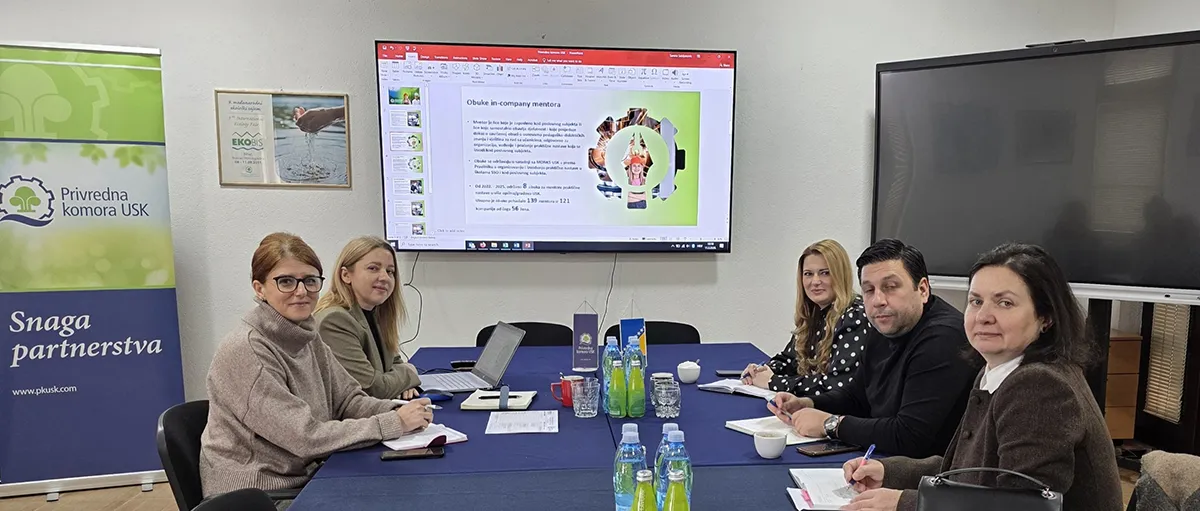
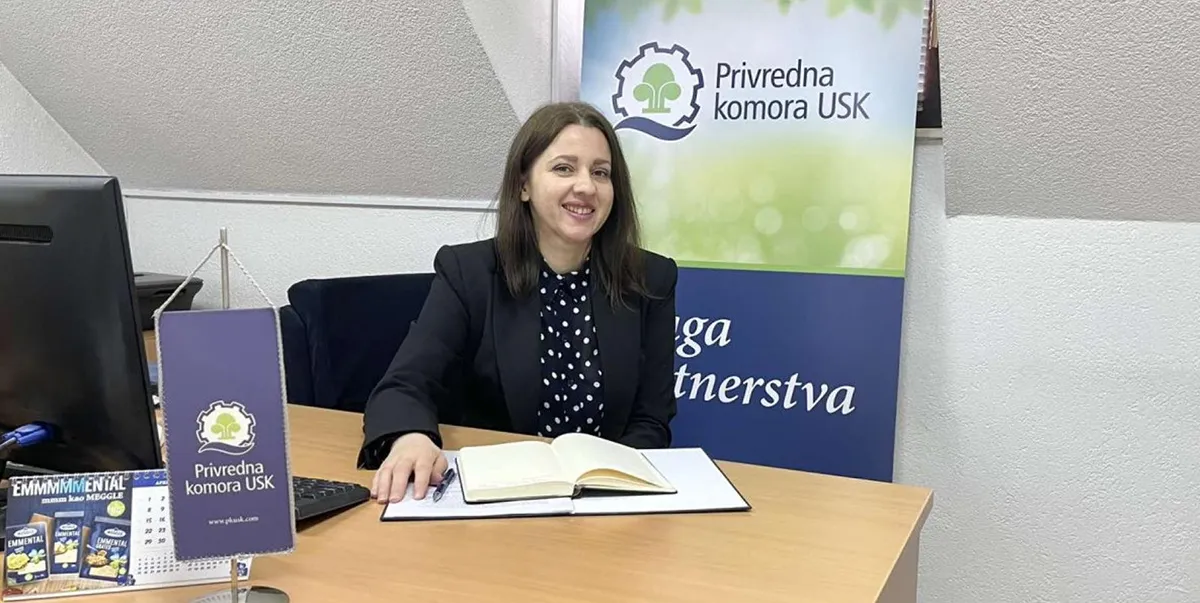
The Ministry of Economy emphasises that this decision marks a new phase in the development of the system, in which public institutions are taking on a more active role in ensuring its sustainability.
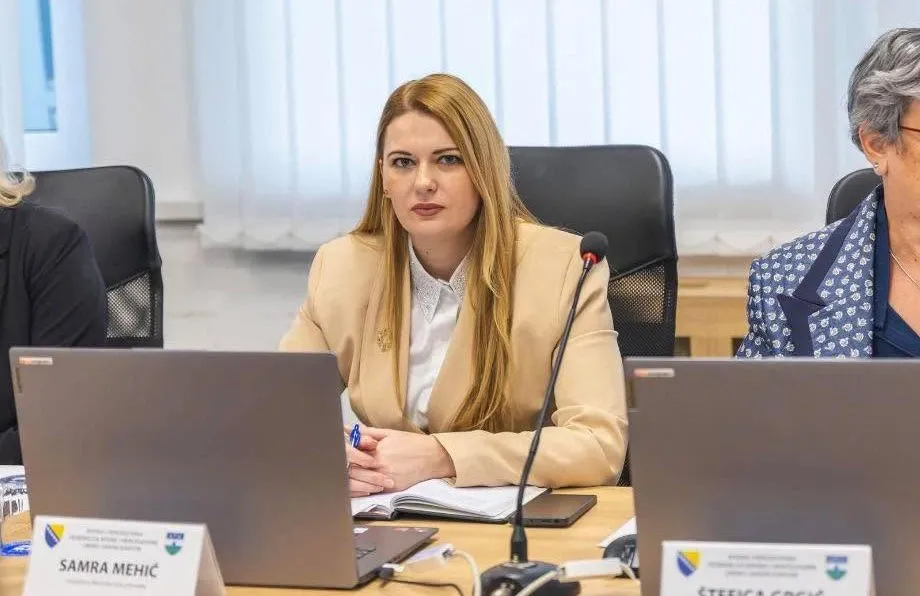
“Through our analysis of labour market needs, we clearly identified a shortage of qualified workforce and the need for young people to be ready to enter the labour market immediately after completing their education. That is why we have, for the first time, allocated significant funds to support dual education and practical training,” stated Samira Mehić, Minister of Economy of Una-Sana Canton.
It is further highlighted that this measure aims to contribute to retaining young people in the country, improving employability, and aligning the education system with the real needs of the economy.
GIZ emphasises that this development is the result of long-term cooperation and the gradual strengthening of the system through the SEDEP programme.
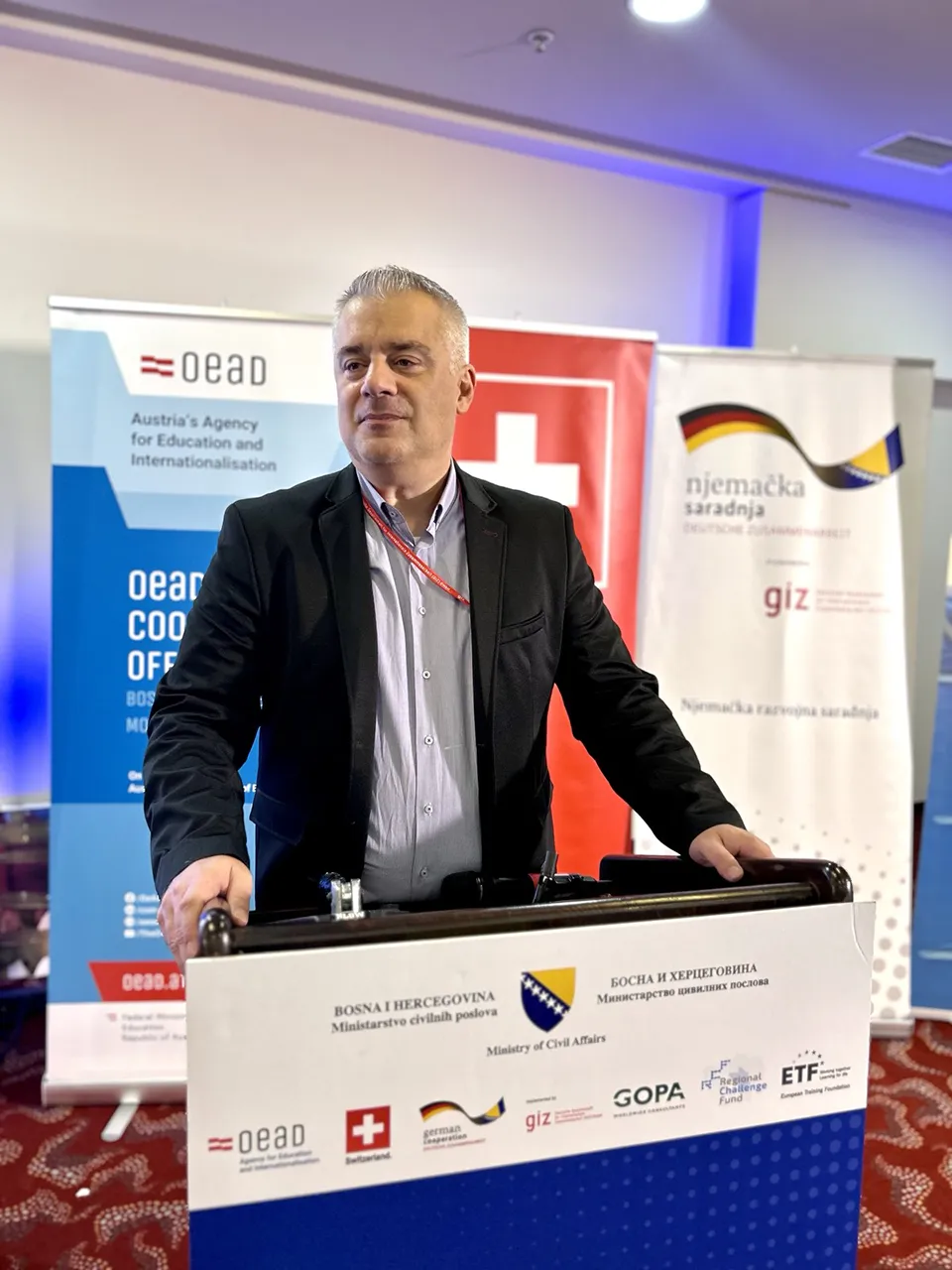
“The decision of the Ministry of Economy of Una-Sana Canton to invest BAM 1.000,000 is a strong indication that dual education is recognised as a strategic development priority. It is an important step in which local institutions are taking full responsibility for the further development and sustainability of the system,” said Daniel Radić, Advisor for Vocational Education and Labour Market, GIZ.
This model of cooperation represents an example of how long-term support to vocational education development can be transformed into local policy and a sustainable solution for the labour market. Una-Sana Canton is thus positioning itself as one of the leaders in the development of dual vocational education in Bosnia and Herzegovina.
This success story was developed within the Sustainable Economic Development and Employment Promotion Programme (SEDEP) in Bosnia and Herzegovina, jointly financed by the European Union, the Government of Switzerland and the German Federal Ministry for Economic Cooperation and Development (BMZ), and implemented by GIZ.