In recent years, Tuzla Canton has been implementing a comprehensive modernization of secondary vocational education, aiming to equip students with knowledge and skills aligned with the needs of modern industry and the labour market. Through upgrading school workshops, improving curricula, and strengthening cooperation with the private sector, vocational schools are becoming an important pillar in developing a qualified workforce for the green and digital economy.
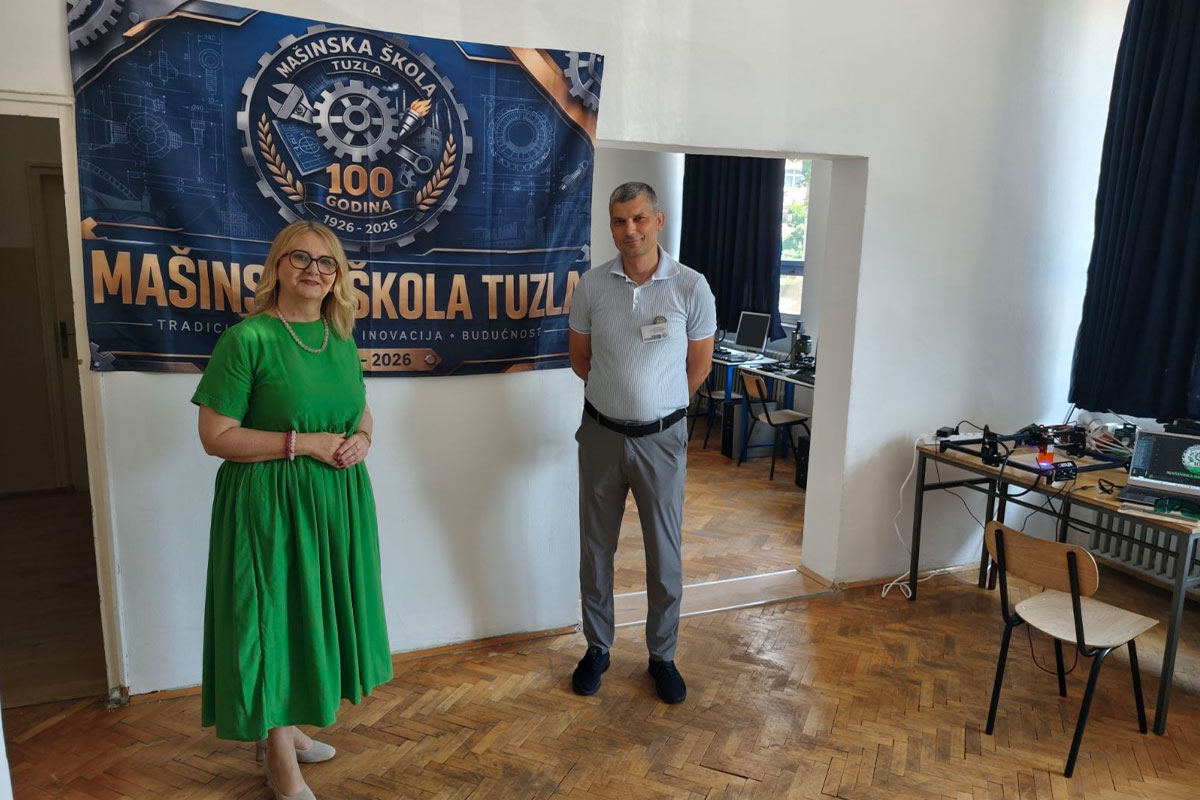
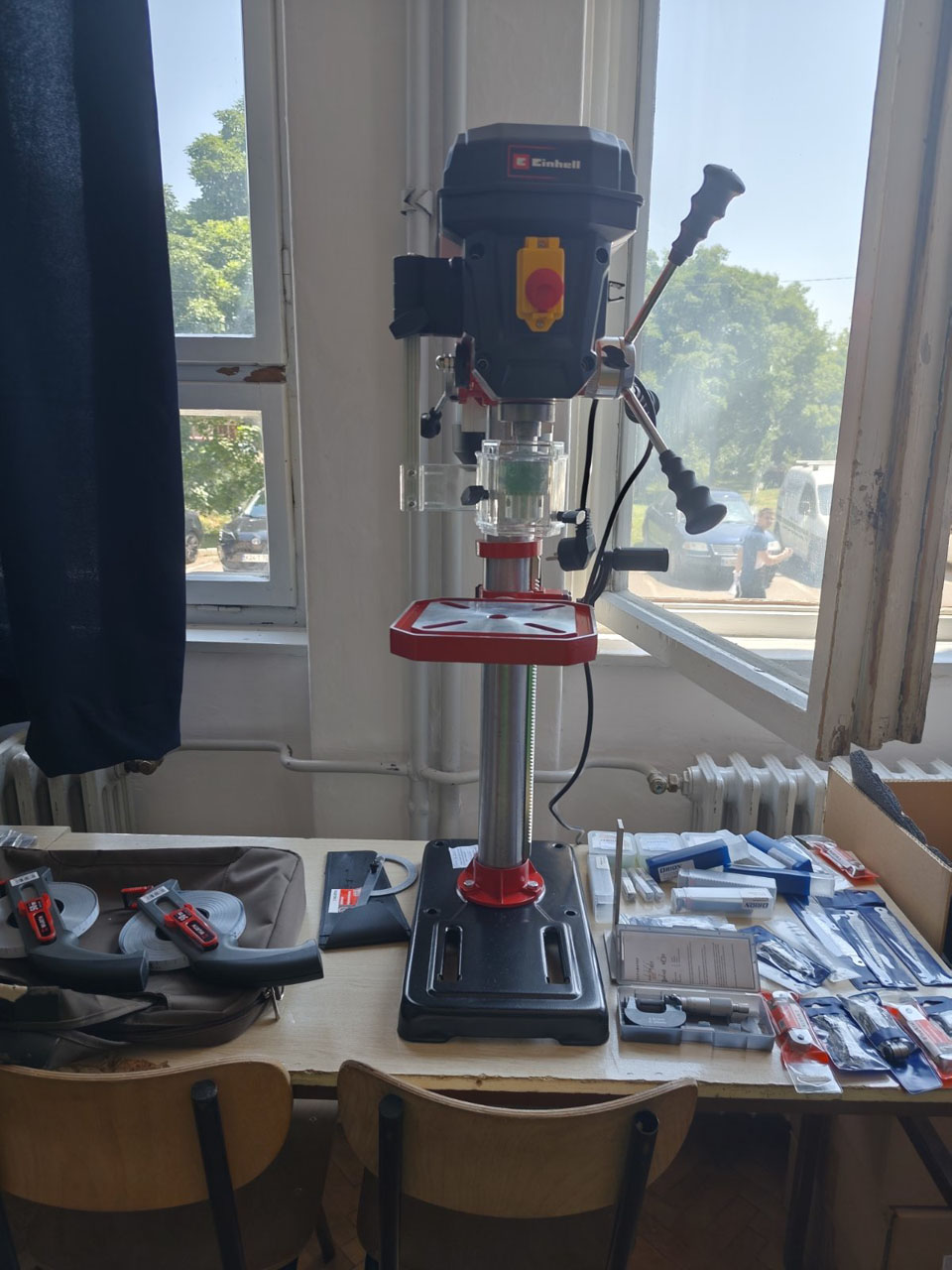
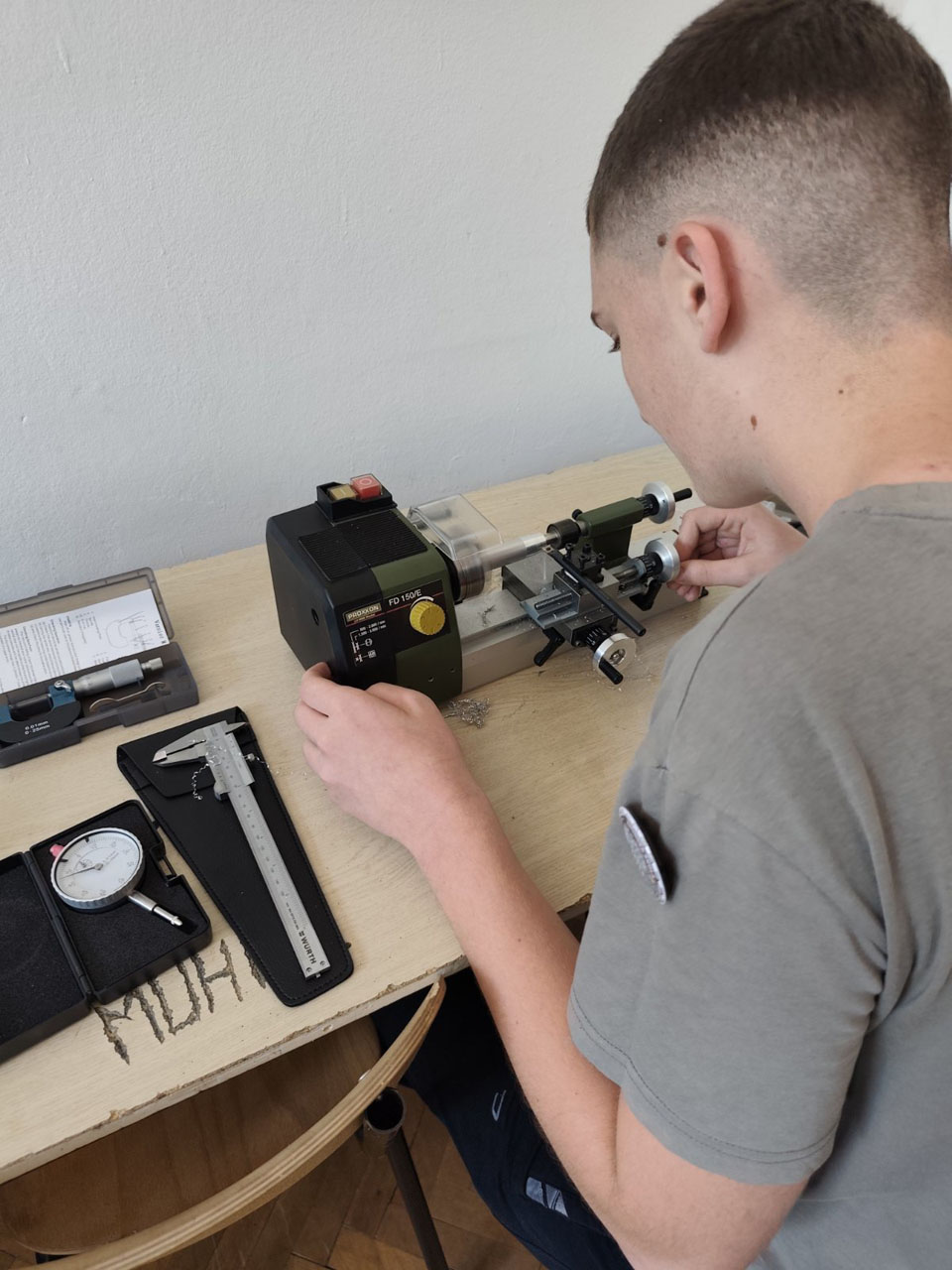
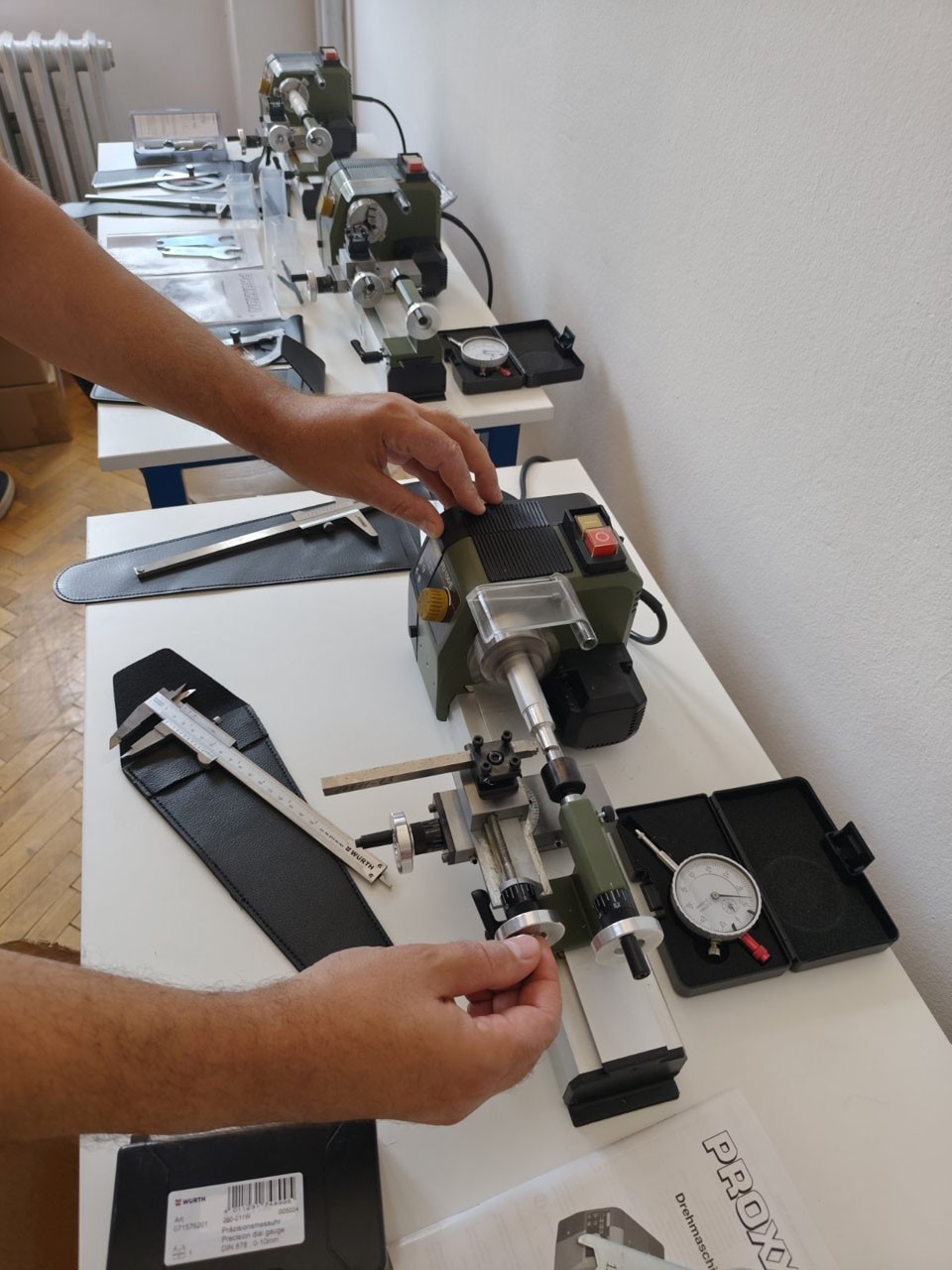
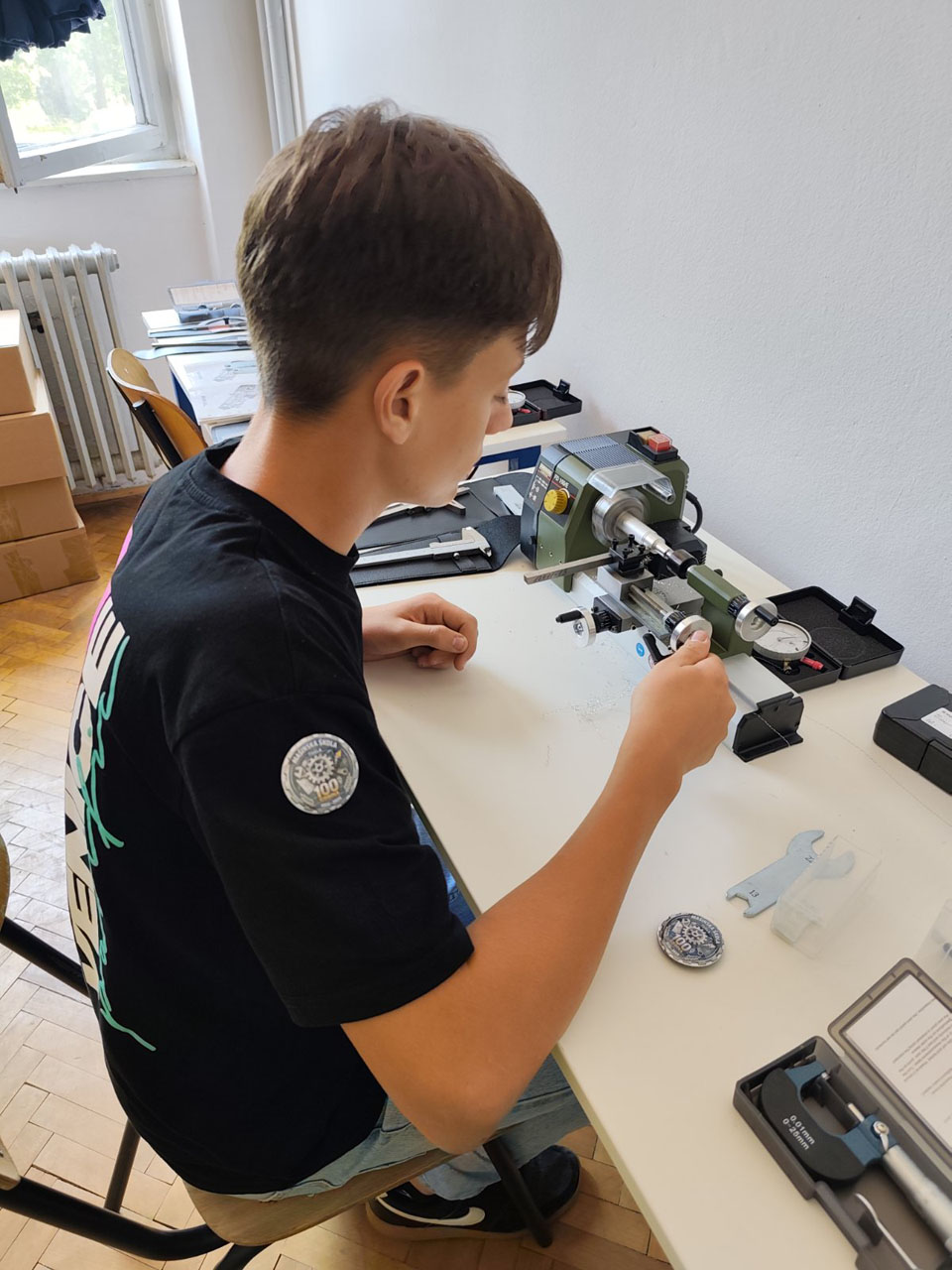
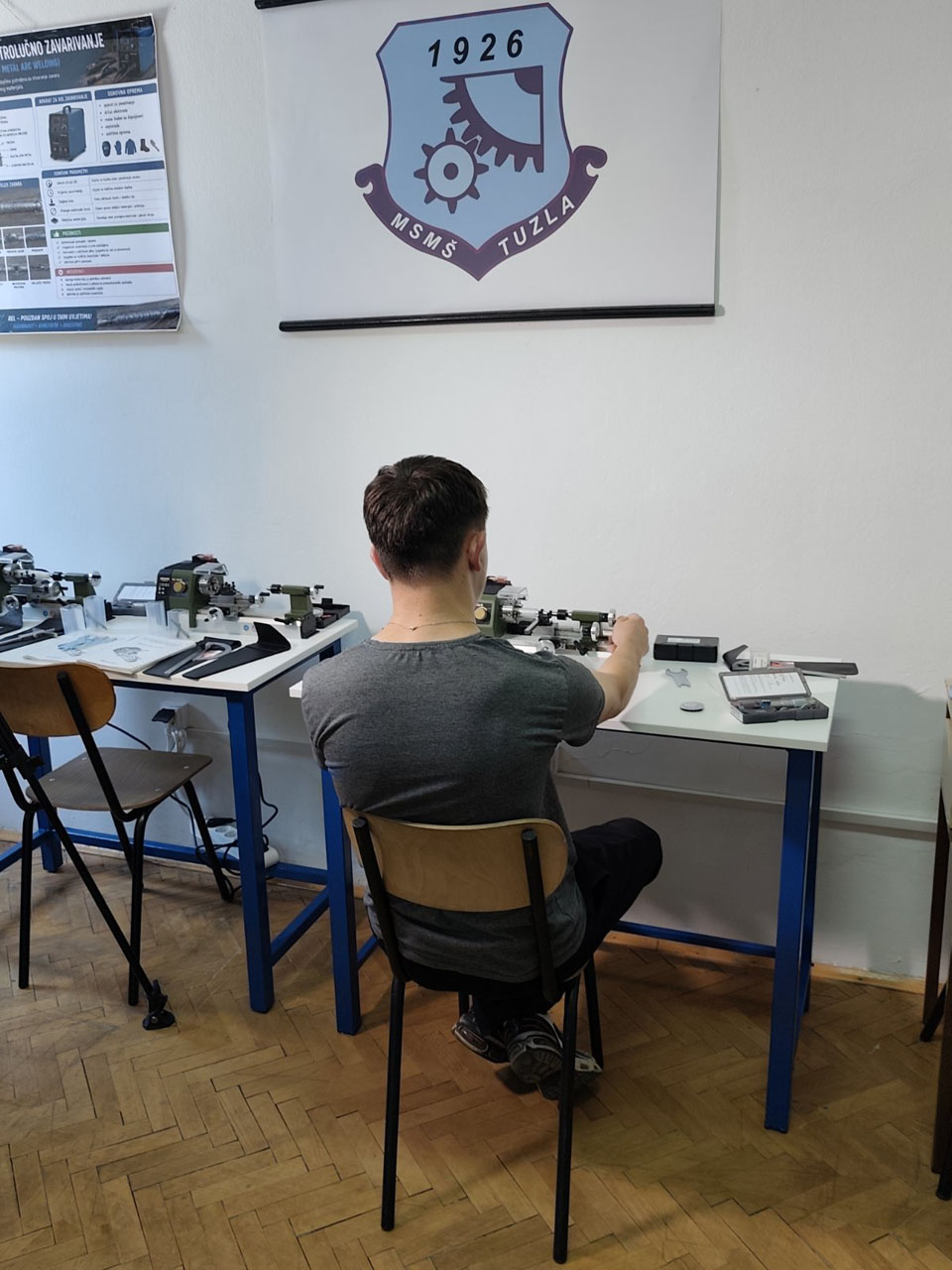
At the JU Mixed Secondary School of Mechanical Engineering in Tuzla, these changes are already visible in everyday teaching. Students now have the opportunity to work with CNC milling machines, mini lathes, and modern measuring tools, gaining practical experience that brings them closer to real industrial working conditions.
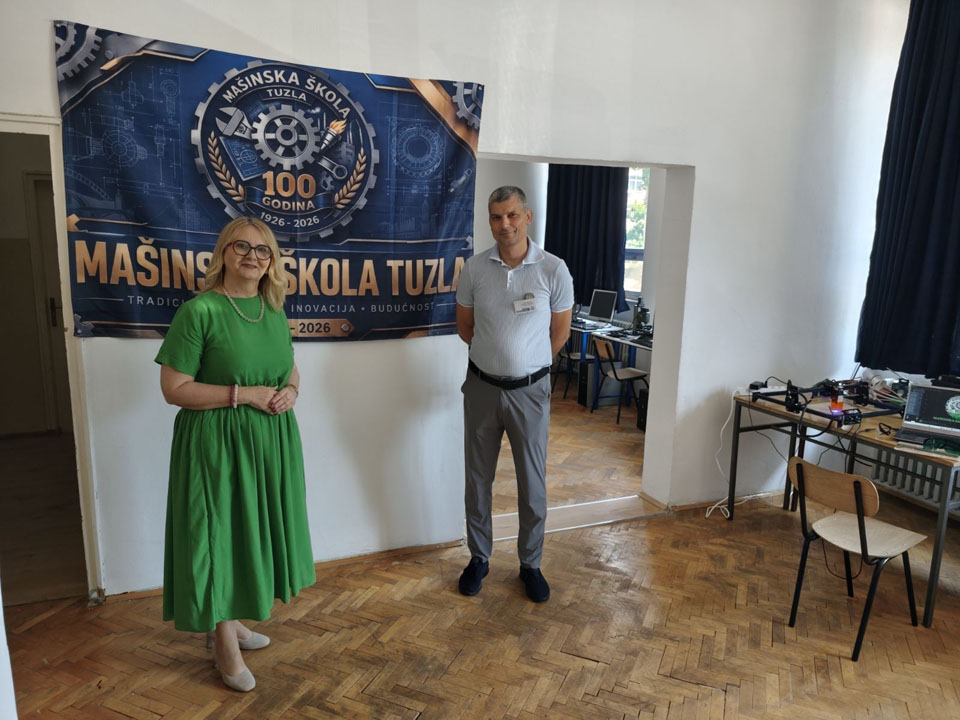
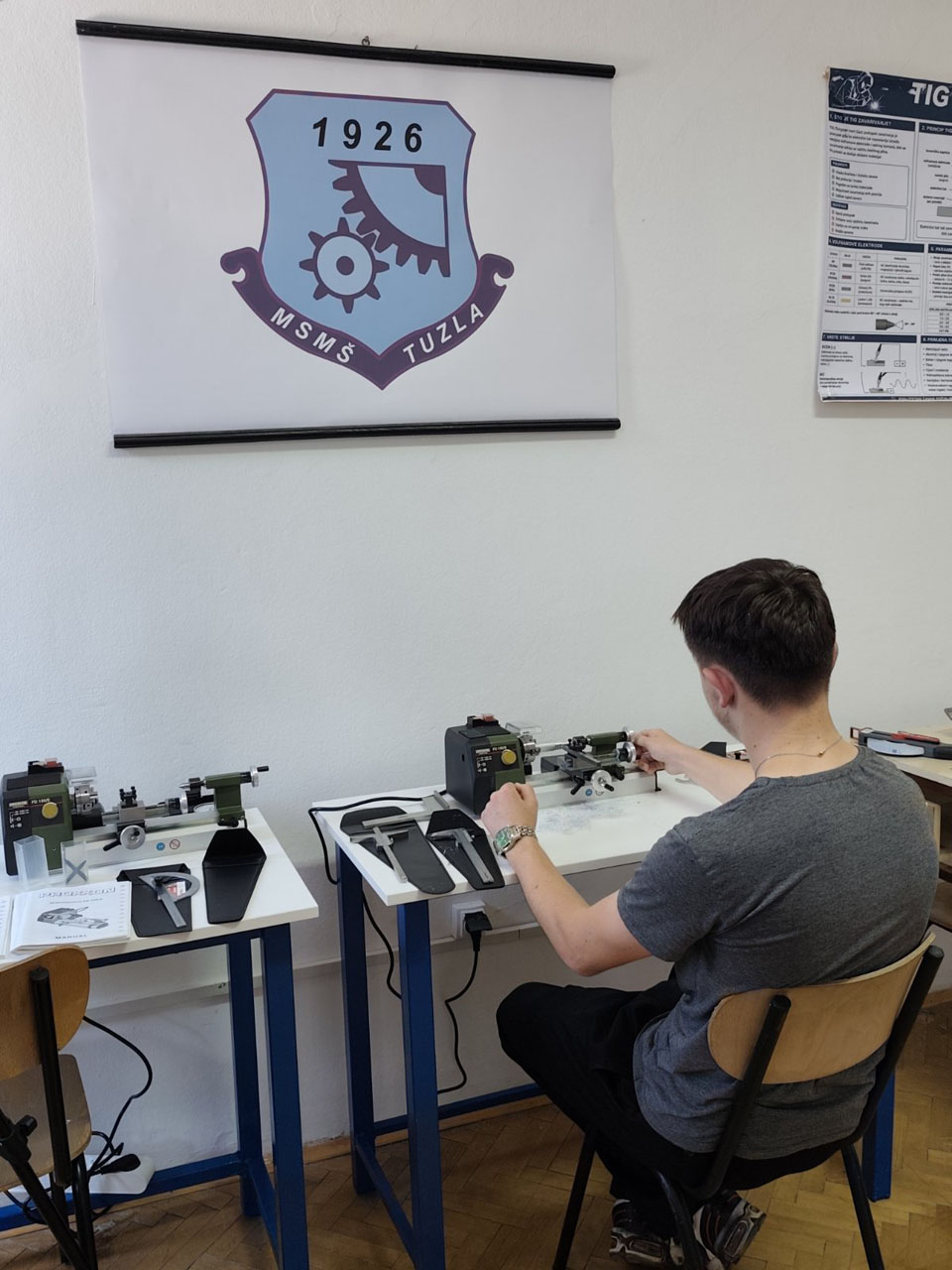
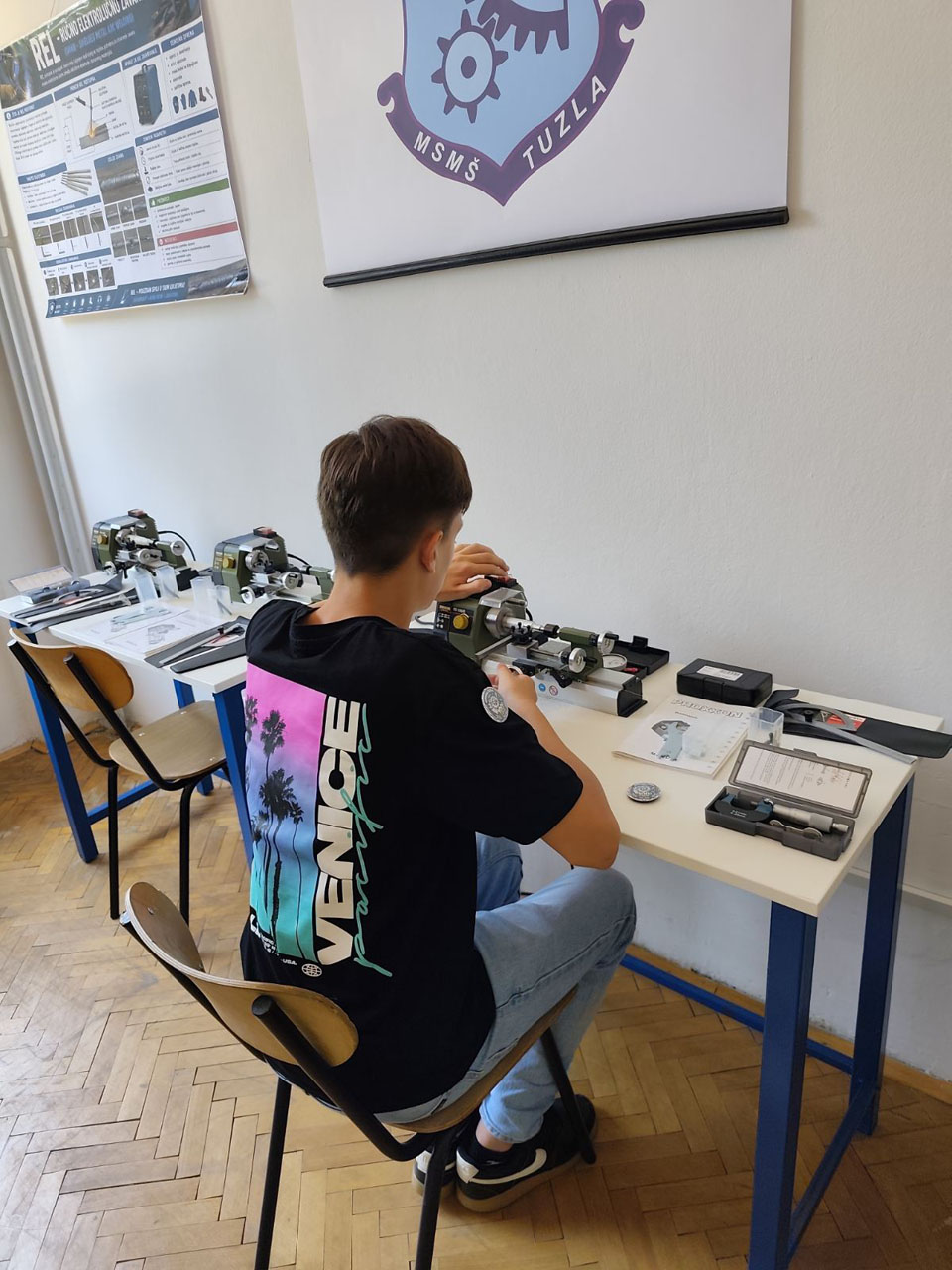
Practical training teacher Admir Mahmutagić, who has been working at the school for five years, emphasizes that the difference compared to the previous period is significant.
“Before the introduction of new equipment, practical training was mainly based on outdated machines and limited resources. Students had fewer opportunities to work with modern equipment, and teaching was more theory-oriented,” says Mahmutagić.
He adds that the biggest challenge was the lack of conditions that would allow students to apply their knowledge in line with the demands of modern industry.
Today, the situation is significantly different.
“Students now have access to modern equipment that allows them to practically apply their knowledge and better understand production processes. Lessons are more dynamic, more engaging, and closer to the real needs of the labour market,” he explains.
The new equipment has also positively influenced student motivation.
“We see greater engagement, more questions, and more active participation in class. They are especially motivated by the fact that they can immediately see the results of their work,” he adds.
Systemic changes supported by the SEDEP programme
These activities are implemented within the project “Sustainable Economic Development and Employment Promotion in Bosnia and Herzegovina” (SEDEP), co-financed by the German Federal Ministry for Economic Cooperation and Development (BMZ) and the European Union, while the Government of Switzerland provides additional support in strengthening secondary vocational education. The project is implemented by GIZ.
In addition to investments in school infrastructure and equipment, Tuzla Canton has also modernized the curriculum for the occupation Machine Operator for Metal Processing. The programme is based on learning outcomes and aligned with labour market needs, as well as the requirements of the green and digital transformation of the economy.
Linking education and the private sector
A special focus has been placed on strengthening cooperation between schools and companies, enabling students to complete part of their practical training in real working environments.
“Practical training in companies allows students to learn about real production processes, develop work habits, and connect theoretical knowledge with practice. This prepares them much better for entering the labour market,” emphasizes Mahmutagić.
Within this cooperation, supported by the SEDEP programme and the Tuzla Canton Chamber of Commerce, 109 company-based mentors for practical training have been certified so far. This marks the first time that the mentor role from the private sector has been systematically introduced and formalized in vocational education in Tuzla Canton.
Reform that goes beyond equipping schools
The modernization of vocational education in Tuzla Canton is not limited to equipment upgrades but also includes improvements in the legal and organizational framework.
With the amendments to the Rulebook on Practical Training adopted in September 2024, the role of company-based mentors was formally recognized for the first time, and the position of lead mentor/trainer was introduced, representing a pioneering step in Bosnia and Herzegovina.
At the same time, continuous investment is being made in teachers’ professional development. Through various training programmes, their competencies are being strengthened in areas such as formative assessment in digital environments, development of green and digital skills, use of digital tools in teaching, learning-outcomes-based planning, and modern teaching methodologies.
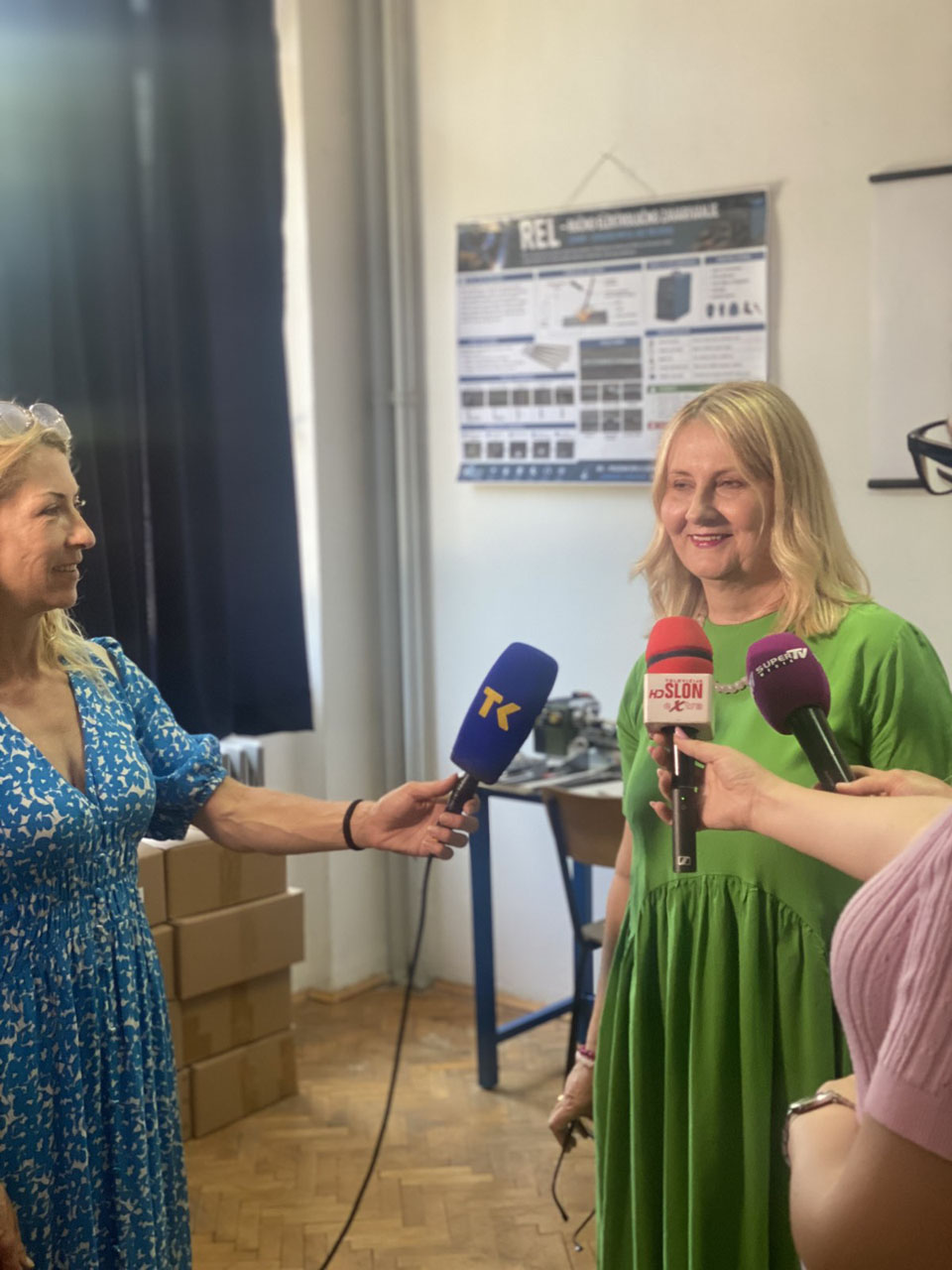
“Modern vocational education today is much more than new equipment in school workshops. It means connecting schools and industry, developing curricula aligned with labour market needs, strengthening the competencies of teachers and mentors, and creating opportunities for young people to learn through practical work in real business environments,” says Sanja Lulo, advisor at GIZ.
She adds that the strong partnership between institutions, schools, and companies in Tuzla Canton demonstrates how joint efforts can contribute to a more sustainable and higher-quality vocational education system.
“We believe that such activities will enable better employment opportunities for young people, while also providing the economy with a skilled workforce needed for the green and digital transformation,” Lulo notes.
Modern education for better opportunities for young people
For teacher Mahmutagić, the greatest value of these changes lies in their long-term impact on students.
“In the past two years, students have had more modern conditions for practical training, more opportunities to acquire concrete knowledge and skills, and better preparation for the needs of modern industry and the labour market,” he says.
The example of Tuzla Canton shows that partnerships between educational institutions, the private sector, and international partners can lead to concrete and long-term changes that enable young people to acquire relevant competencies, ease their transition from education to employment, and improve their job prospects after graduation.
The modernization of vocational education is therefore not just an investment in school equipment. It is an investment in people, knowledge, and skills that will open new opportunities for young people, while ensuring the economy has the skilled workforce needed for future development and competitiveness.
This success story was developed within the Sustainable Economic Development and Employment Promotion Programme (SEDEP) in Bosnia and Herzegovina, jointly financed by the European Union, the Government of Switzerland and the German Federal Ministry for Economic Cooperation and Development (BMZ), and implemented by GIZ.