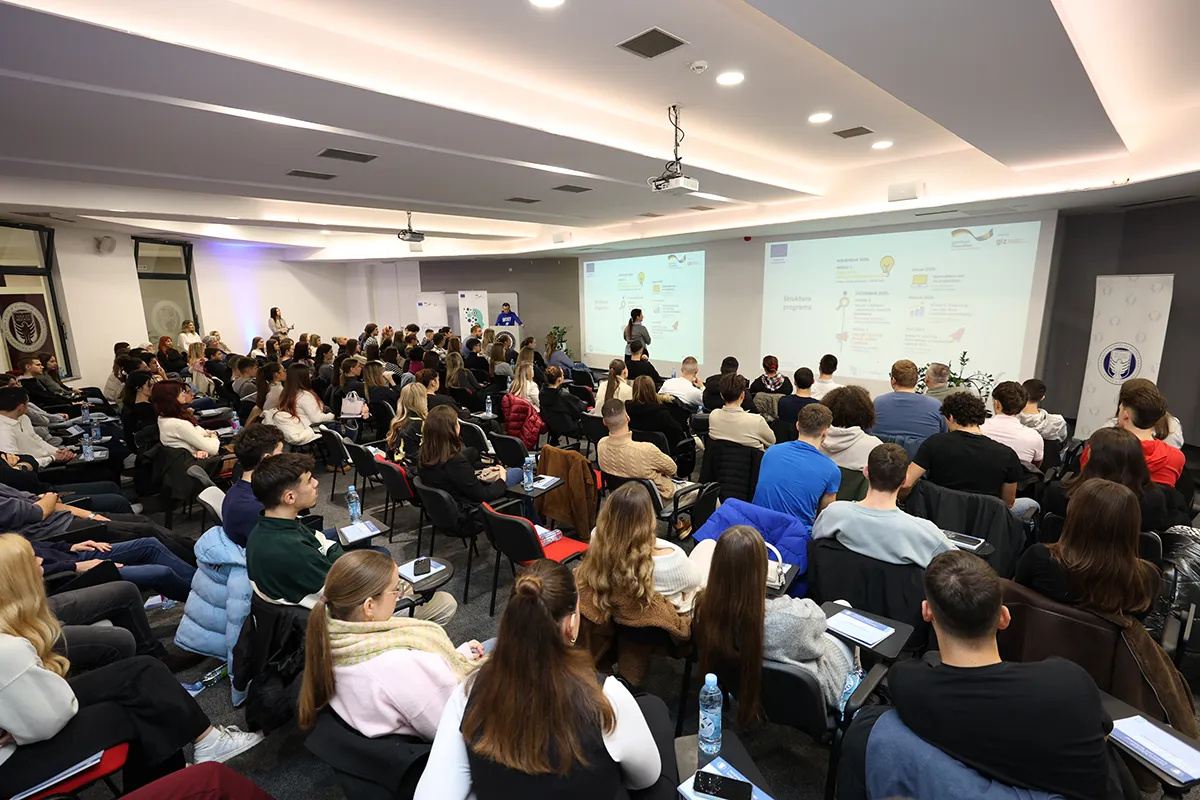
From November 2025 to March 2026, the Sarajevo School of Science and Technology (SSST) implemented the Youth Entrepreneurship Academy (YEA) as part of the FutureMinds Lab project under the EU4Private Sector Development (EU4PSD) initiative, co-funded by the European Union and the German Federal Ministry for Economic Cooperation and Development (BMZ). The programme was implemented with the support of the Ministry of Education of Sarajevo Canton and the Sarajevo Canton Institute for Pre-University Education.
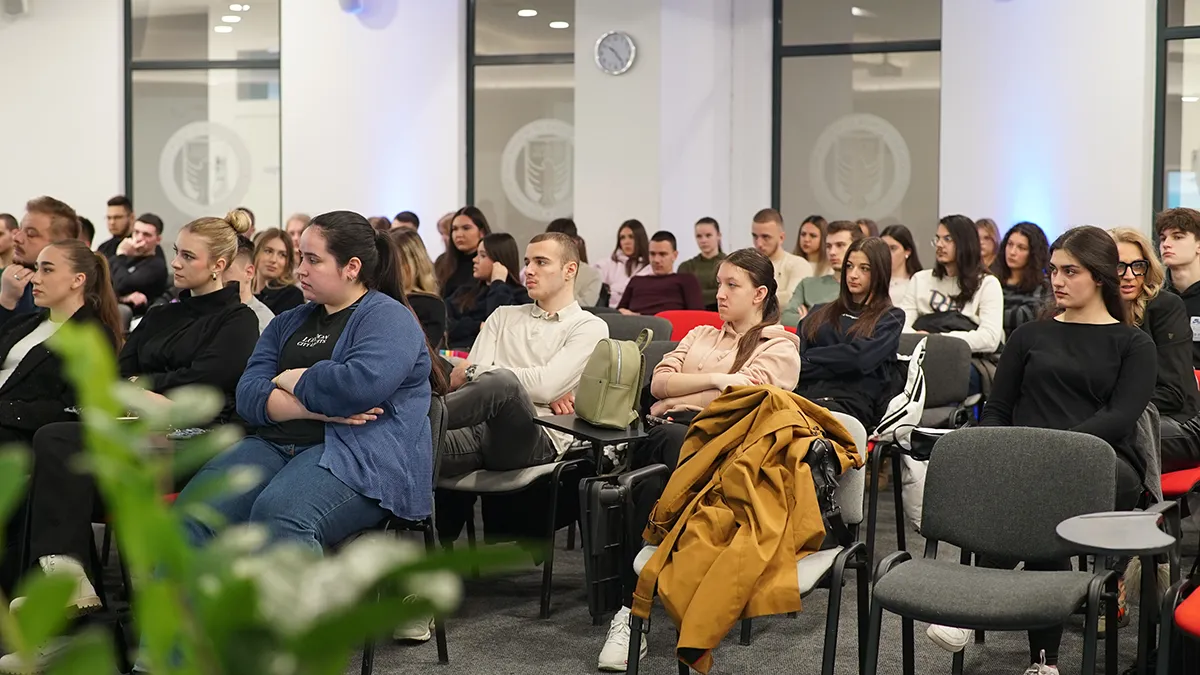
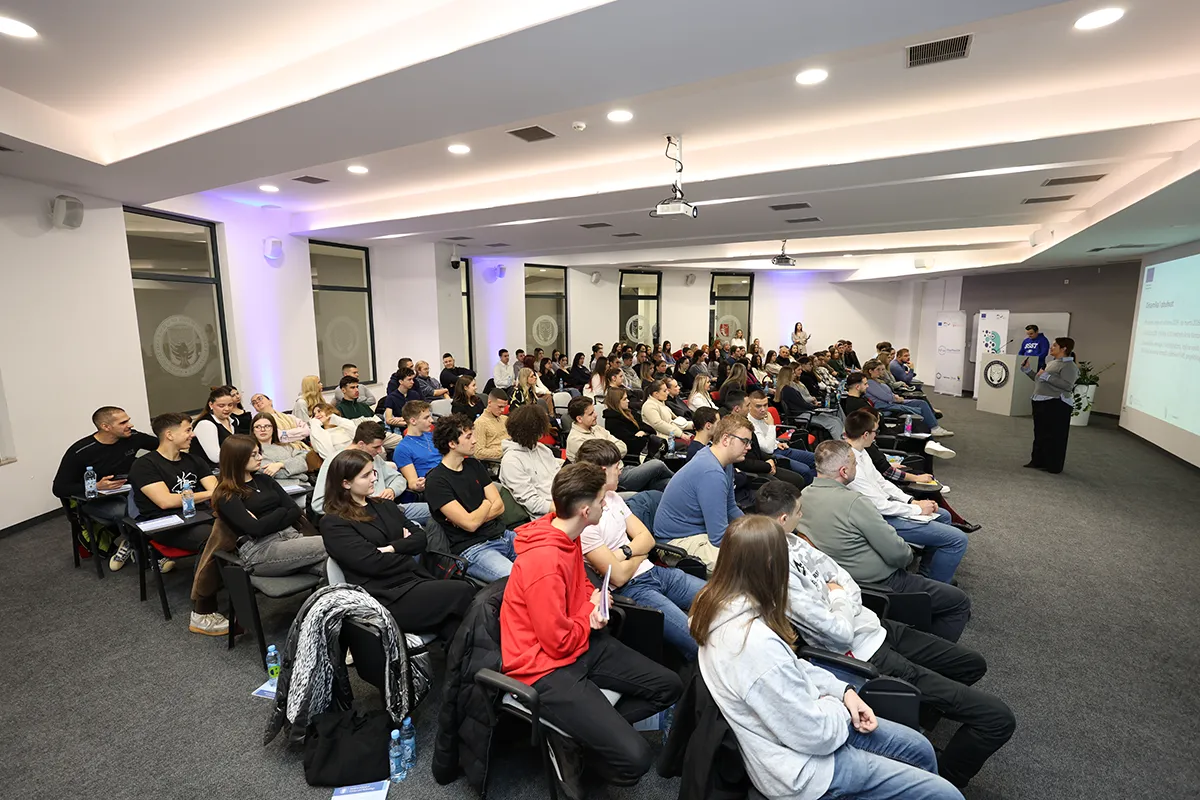
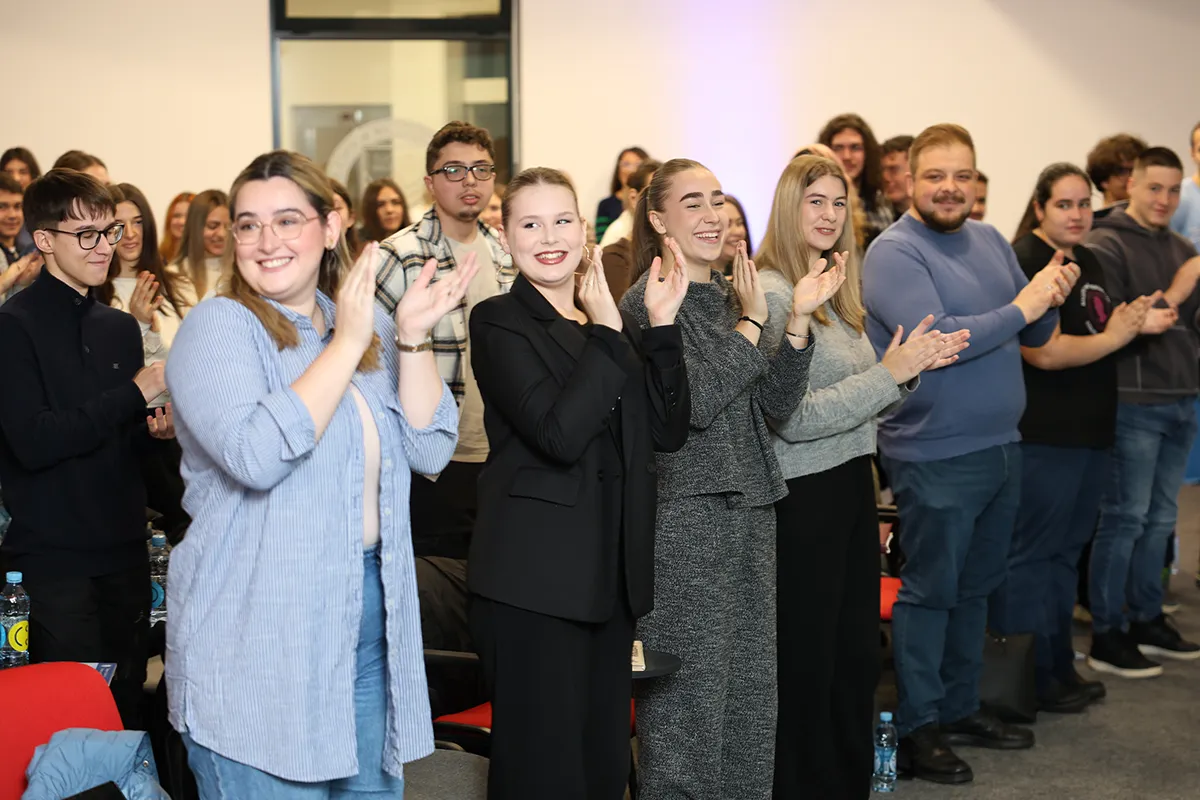
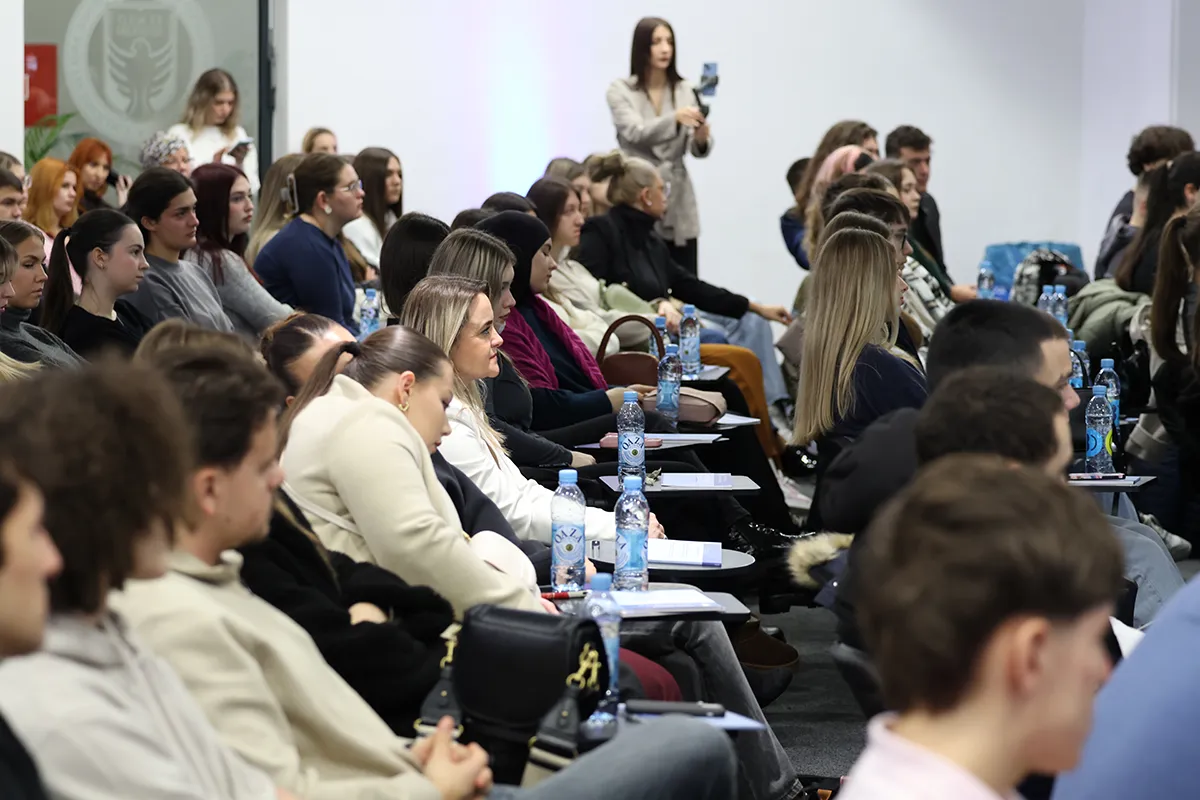
The Academy brought together 10 secondary schools, 19 teachers and 100 students, who spent five months working on real business challenges. Participants learned how to identify community problems, develop innovative ideas, conduct market research, design business models and present their solutions through final pitch presentations before a professional jury.
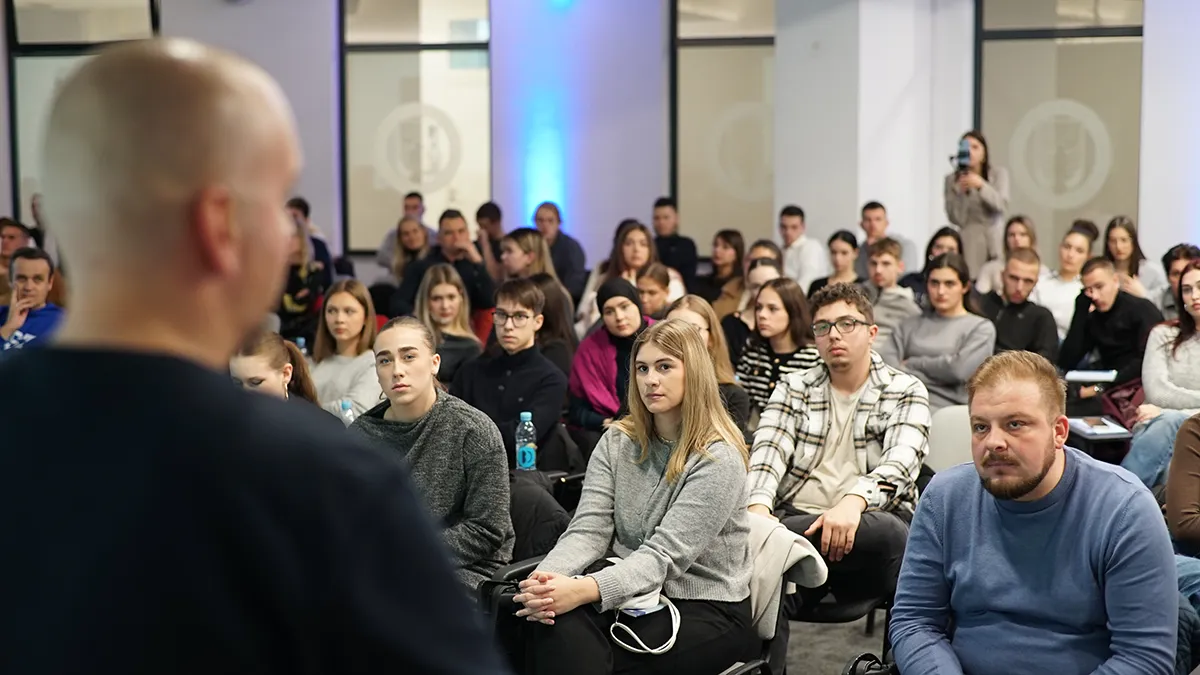
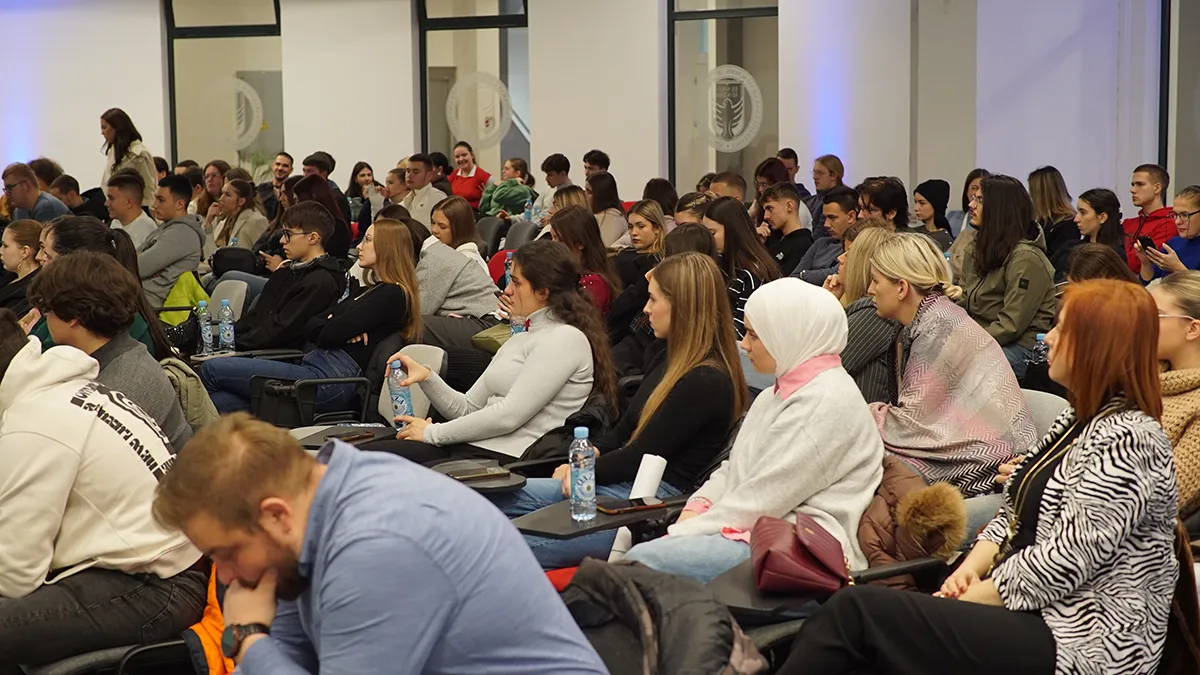
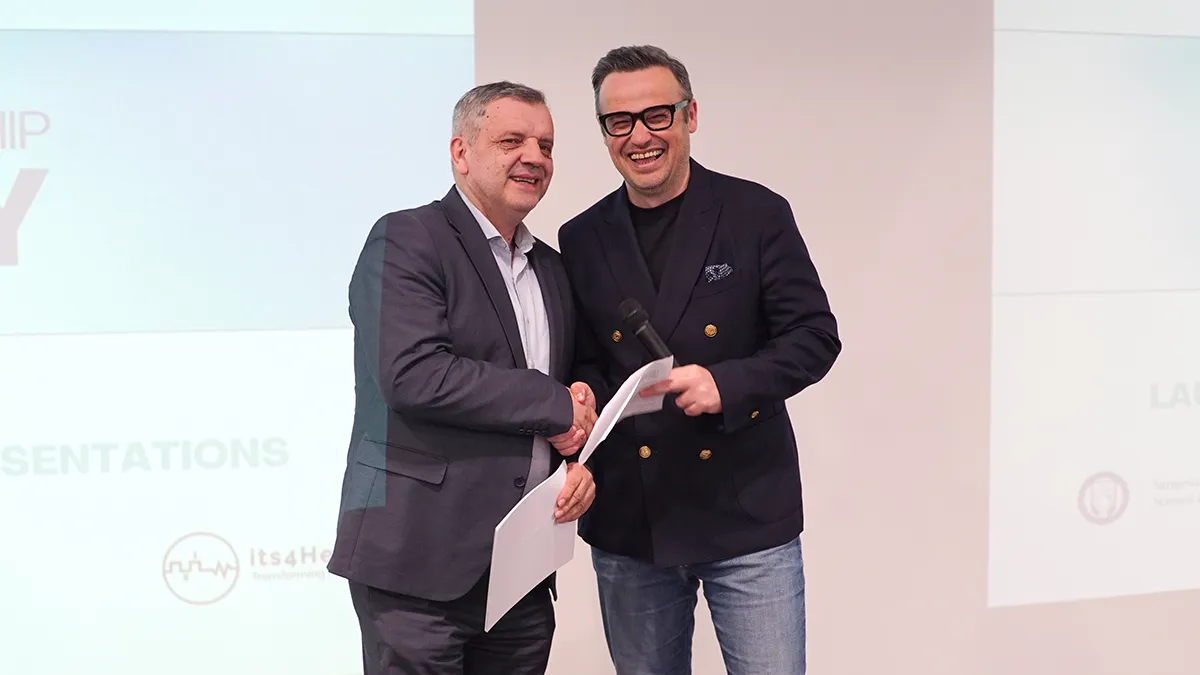
Connecting Education with Innovation and Entrepreneurship
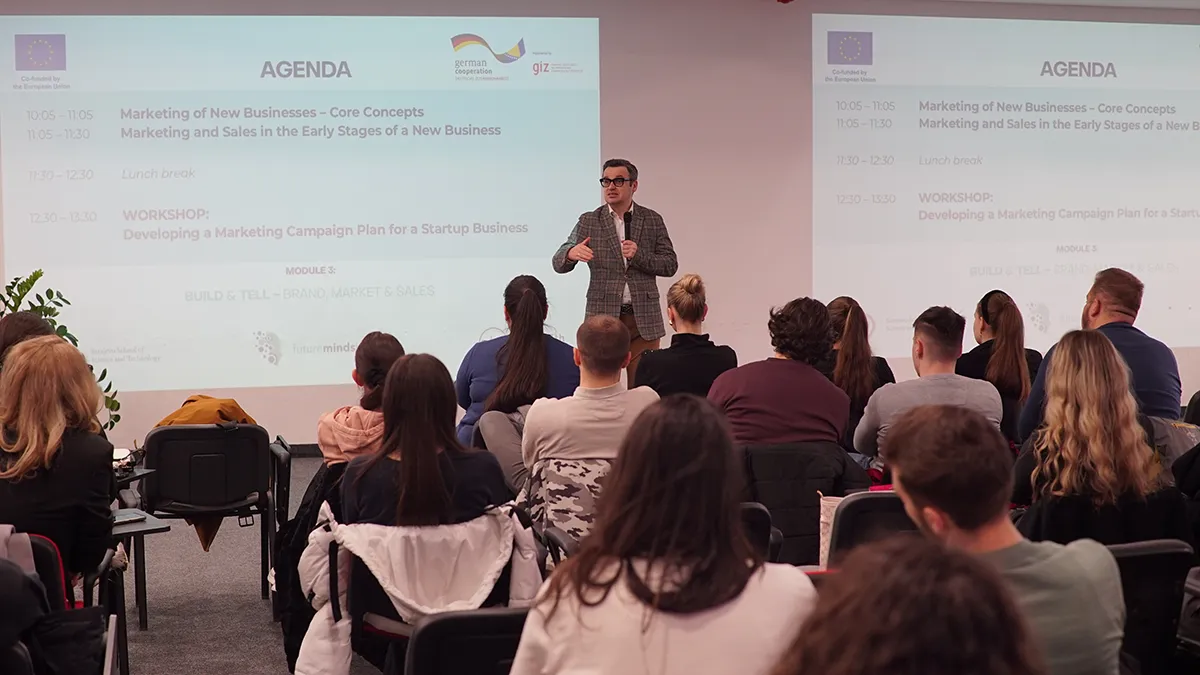
Through a combination of workshops, mentoring and teamwork, students had the opportunity to apply classroom knowledge to real industry challenges for the first time. As Mersiha Muranović from SSST, explains: “The Academy demonstrated what can happen when young people are given the opportunity to identify real problems, develop ideas, test them and present their solutions to industry professionals. Our goal was not only to teach them how to build a business model, but to help them recognise their own potential and believe that they can already create solutions with real value for both society and the market.”
The programme significantly strengthened students’ critical thinking, teamwork, communication skills and entrepreneurial mindset. According to Miron Lukač from Foundation 787, engaging secondary school students in solving business challenges creates value for both young people and the private sector: “Companies increasingly recognise the value of involving young people even high school students, in addressing real business challenges. It is not only a socially responsible initiative but also an opportunity to identify future talent at an early stage and help build the workforce of tomorrow.”
He adds that programmes like this help students better understand the labour market and their own interests while giving companies fresh perspectives and innovative ideas.
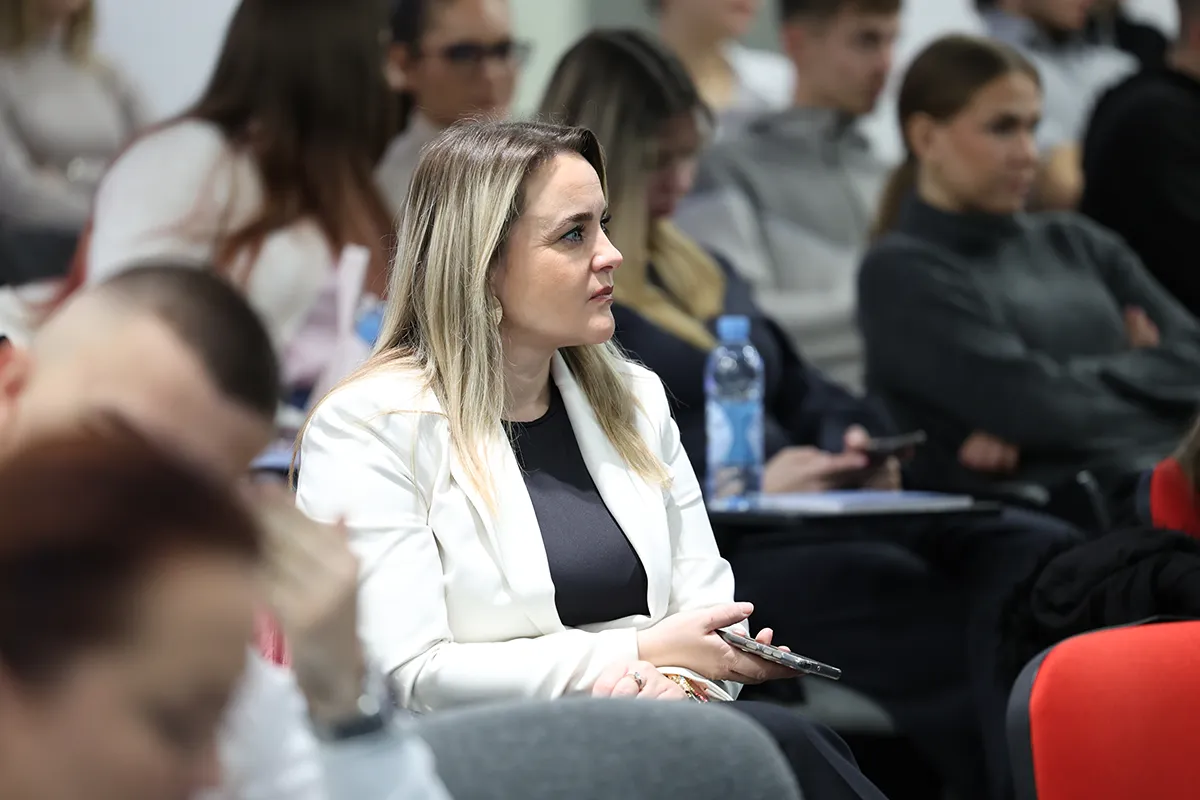
Building Skills Through Real-World Challenges
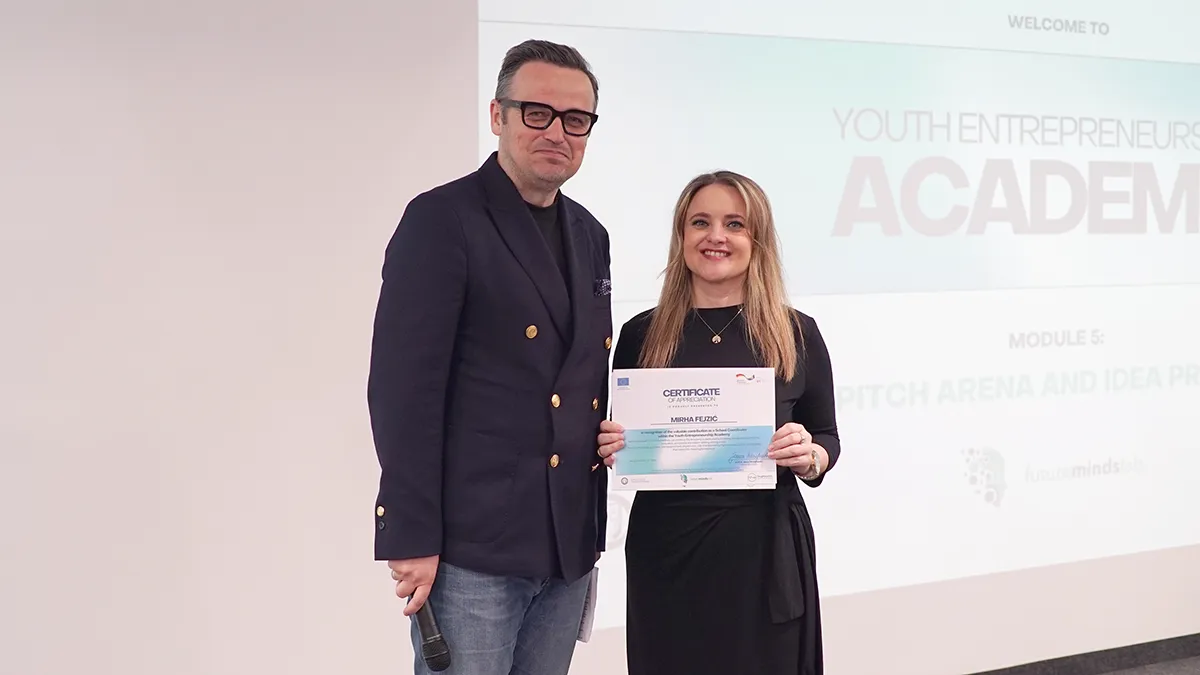
Throughout the programme, students quickly shifted from traditional classroom thinking to a user-centred, problem-solving and market-oriented approach. Mirha Fejzić, a teacher at the Third Gymnasium in Sarajevo, highlights that this transformation was one of the programme’s greatest achievements: “The biggest challenge was helping students move from theoretical thinking to entrepreneurial thinking. At first, they focused on ideas they personally liked, but gradually they began analysing real needs in society.” She also notes the remarkable growth in students’ confidence and presentation skills: “The greatest change was their confidence when presenting their ideas before the jury. Their final presentations reached an exceptionally high standard.”
At the Secondary School of Electrical Engineering Sarajevo, students transformed their technical knowledge into business solutions for the first time. Teacher Amir Karačić explains: “Students realised that technology does not exist only in the classroom and that their work can have real market value.” He particularly highlights the moment when students, after receiving market feedback, understand that successful innovation is not about creating what they personally find most exciting, but about solving genuine customer problems.
During the Academy, students developed a range of innovative projects, including: Domaćin – a platform integrating card payments and retail digitalisation; Čista kap (Pure Drop) – an AI-powered water quality analysis device; Smart Builder – an AI solution for construction project management; UrbanRoots – an AI-supported hydroponic system for urban food production. These projects demonstrated not only creativity but also students’ ability to think analytically, systematically and from a market perspective.
One student reflected on how the programme changed his way of thinking: “I realised that every problem has a solution. I started breaking problems into smaller parts, making them much easier to solve.”
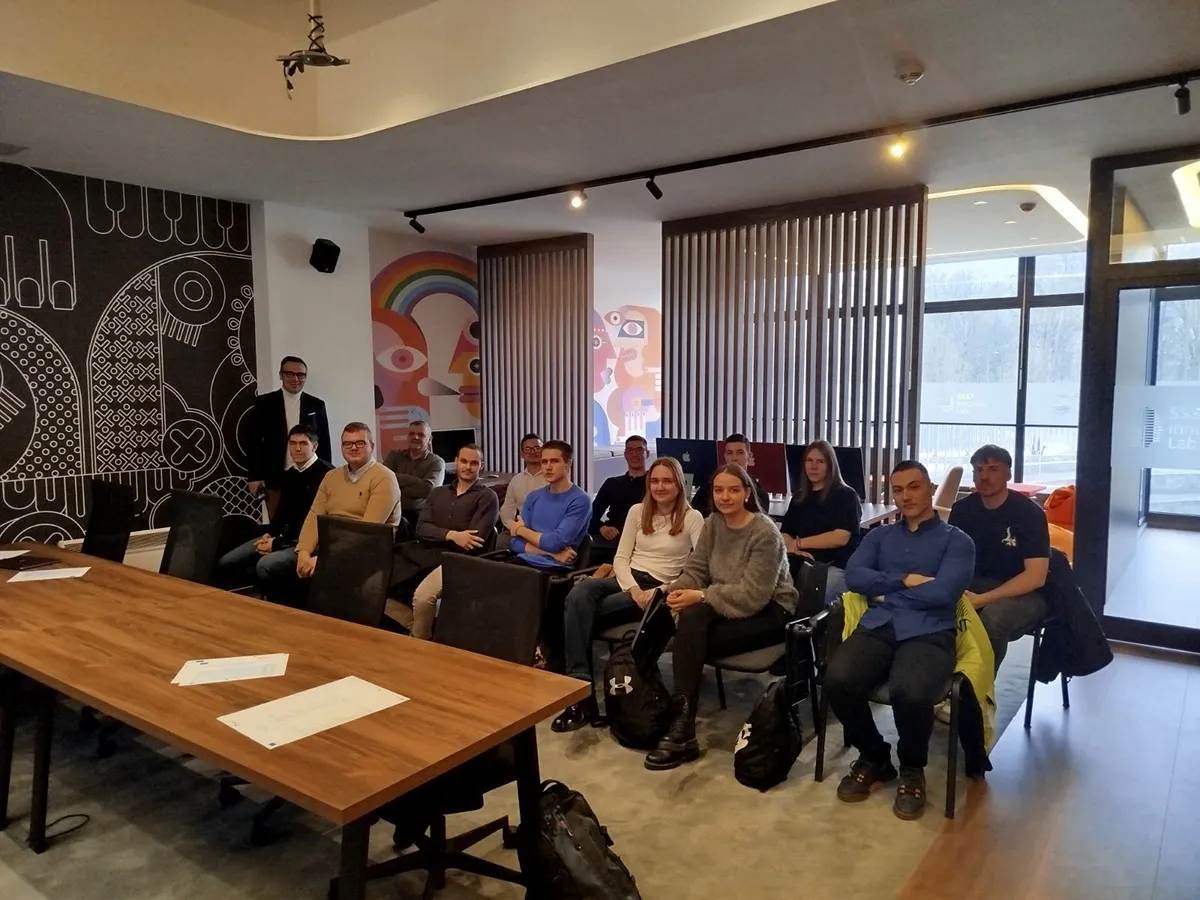
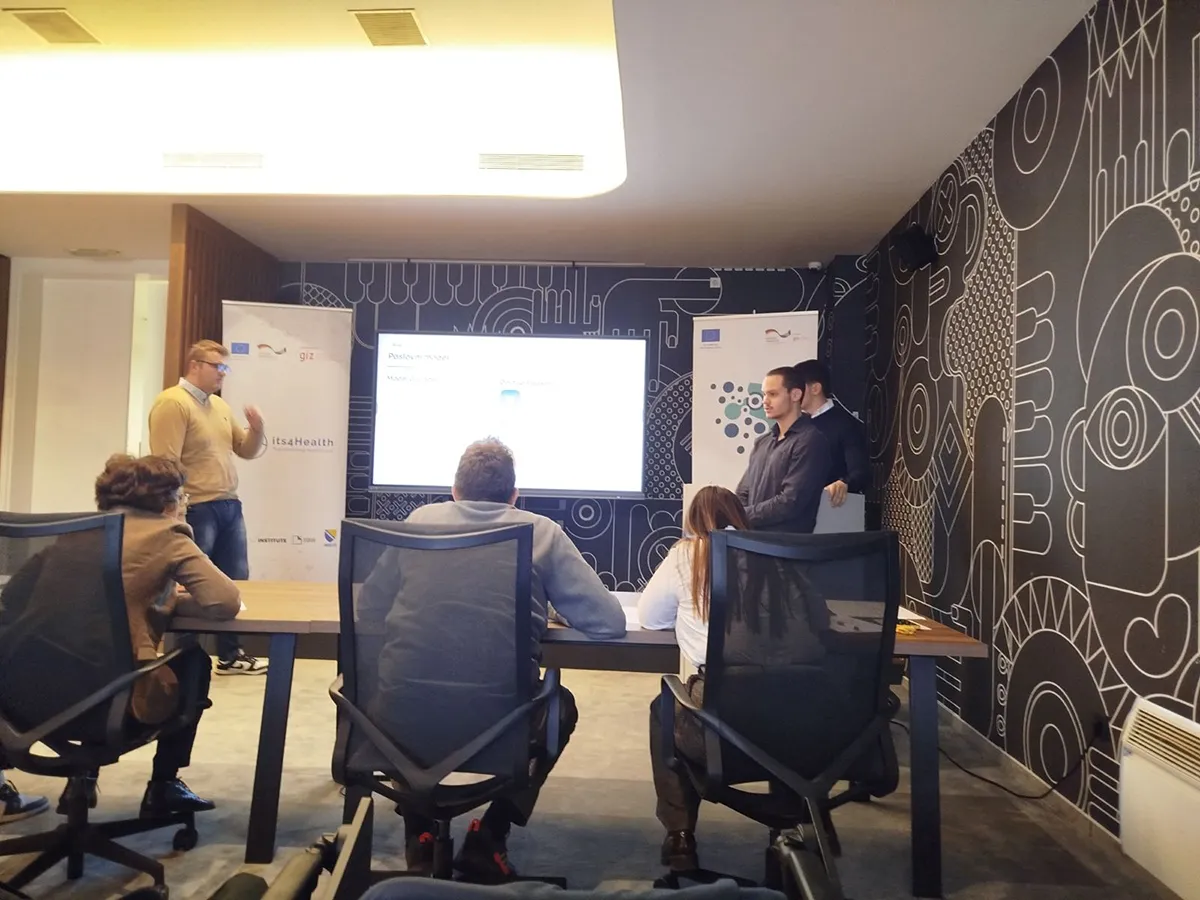
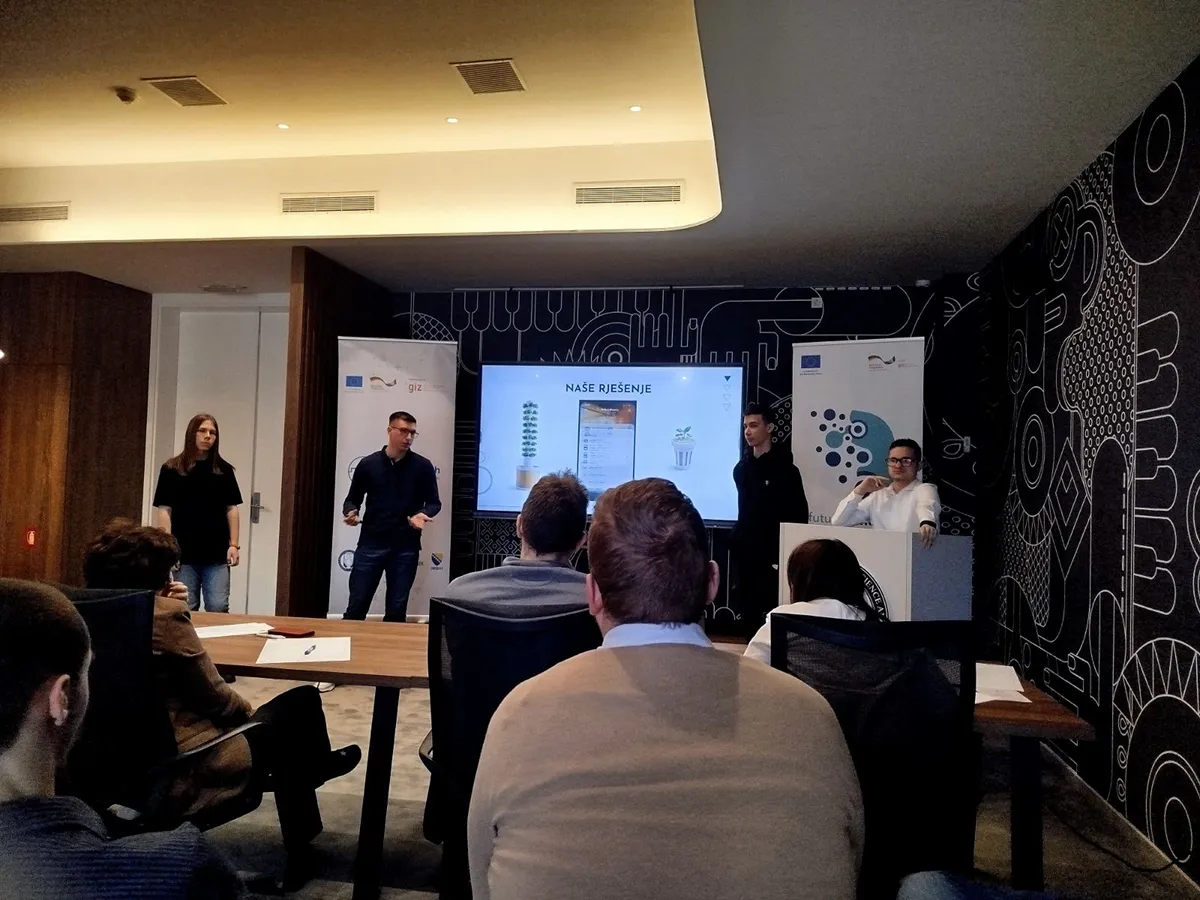
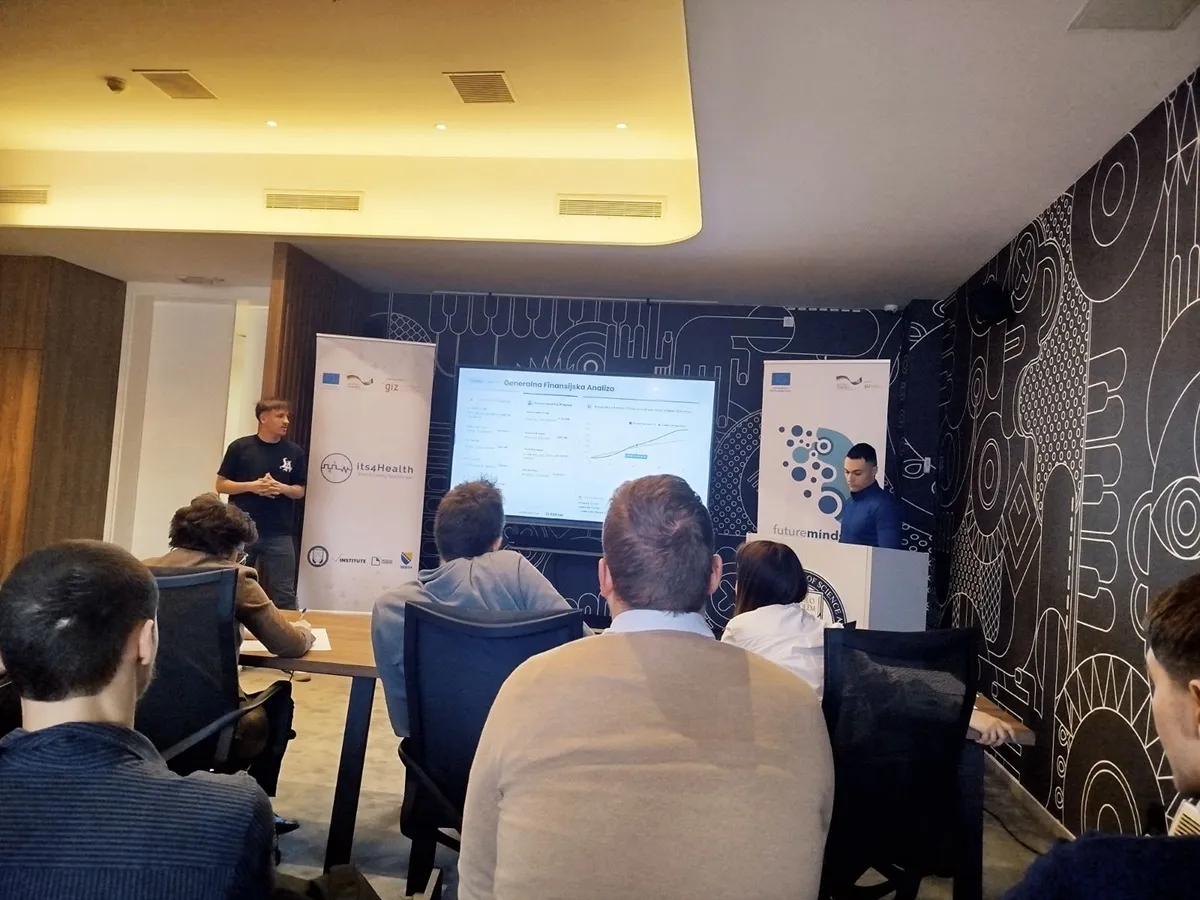
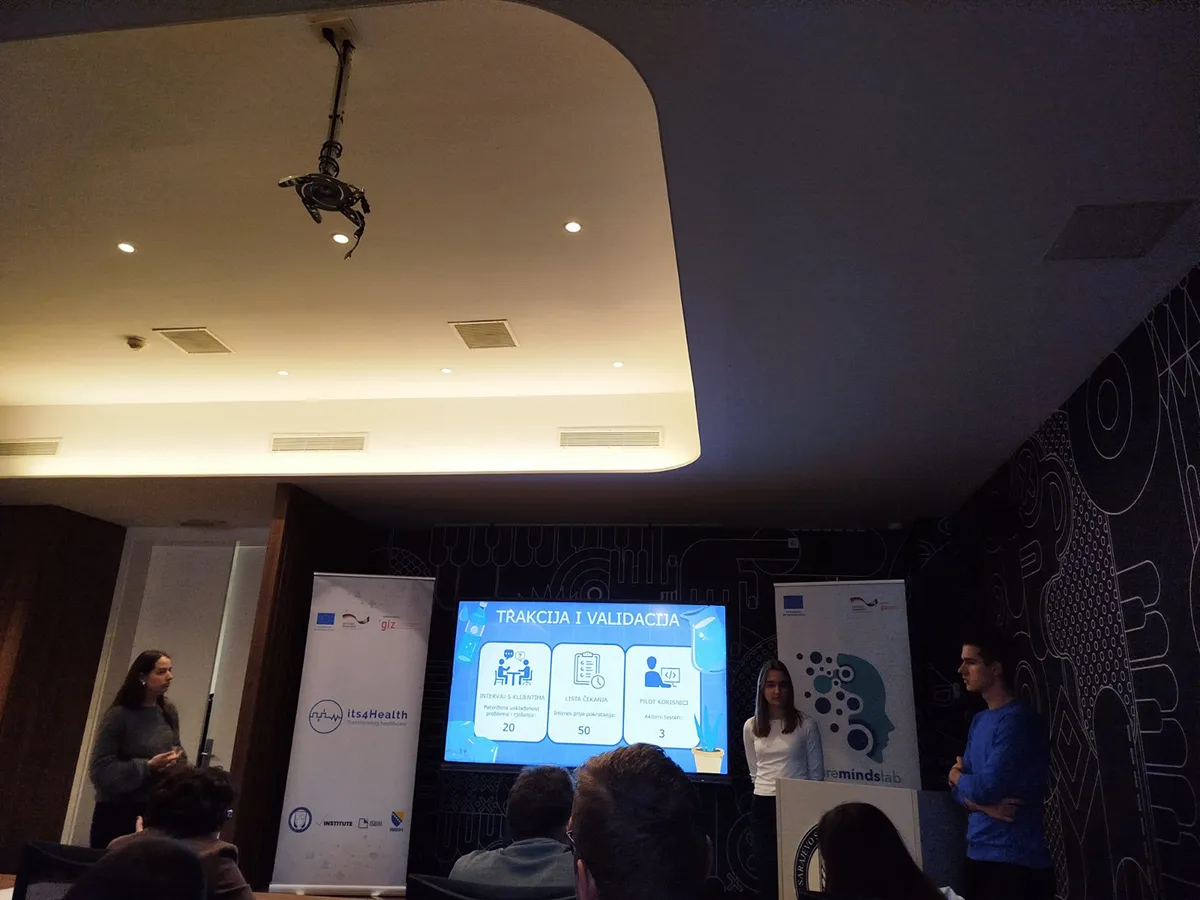
Teachers consistently identified increased self-confidence, stronger communication skills and improved teamwork as some of the programme’s most important outcomes.
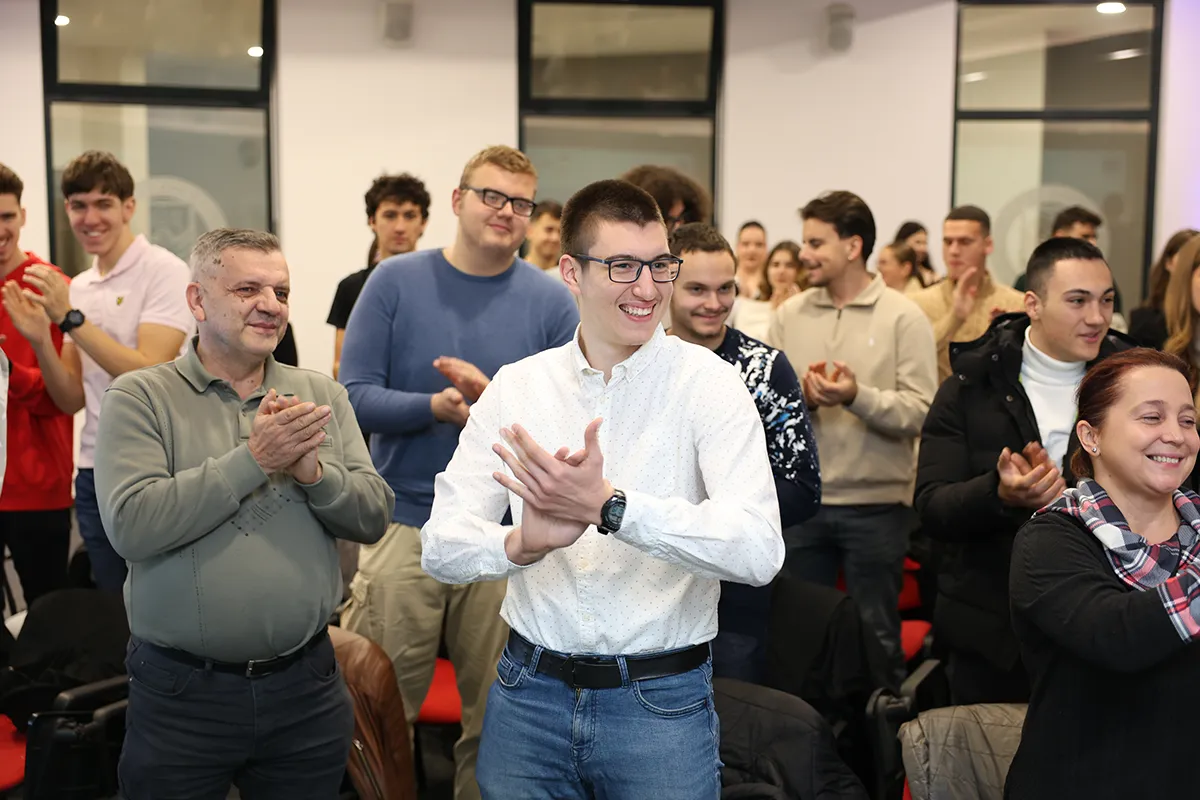
The Youth Entrepreneurship Academy demonstrated that when young people are given the right opportunities and support, they can think and act like innovators and future entrepreneurs. As Mersiha Muranović from SSST, concludes: “The YEA programme once again confirmed how important it is to provide young people not only with knowledge but also with opportunities to develop, test and present their ideas. When they receive that support, they clearly demonstrate the talent, creativity and sense of responsibility they already possess.”
The SSST Youth Entrepreneurship Academy has shown that bringing together education, the private sector and mentorship can transform the way young people in Bosnia and Herzegovina learn, think and create.
This success story was developed within the Sustainable Economic Development and Employment Promotion Programme (SEDEP) in Bosnia and Herzegovina, jointly financed by the European Union, the Government of Switzerland and the German Federal Ministry for Economic Cooperation and Development (BMZ), and implemented by GIZ.